The investigation
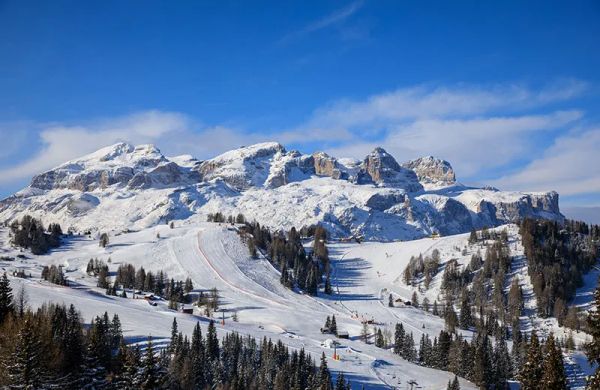
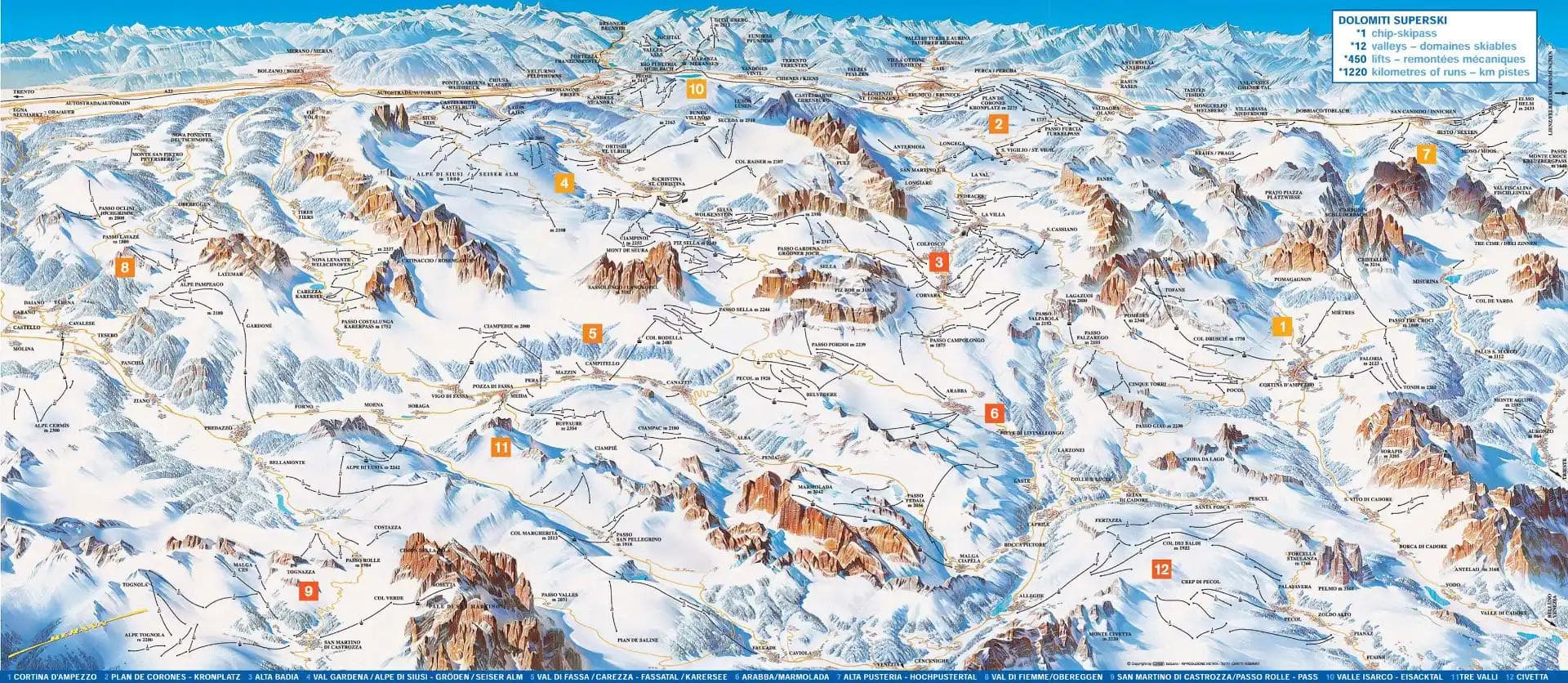
Italy's competition authority, the Autorità Garante della Concorrenza e del Mercato, has been examining whether Dolomiti Superski and its 12 affiliated regional operators coordinated ski pass pricing and sales policies in ways that limited market competition. The investigation, launched in 2025, centres on claims that the consortium set unified prices across its network and restricted third-party sales - practices that could breach both Italian competition law and broader EU regulations.
It's worth noting that this kind of coordination sits at the heart of how Dolomiti Superski operates. The question regulators are working through is where regional cooperation ends and anti-competitive behaviour begins.
The proposed compensation
In response, Dolomiti Superski has put forward a two-part compensation scheme covering the 2022-23, 2023-24, and 2024-25 ski seasons. Skiers can choose between a cash refund worth roughly 20% of their original purchase price, or a 30% credit toward future ski passes.
The funds are split into fixed pools - €12 million for cash refunds and €18 million for vouchers - and access is not automatic. Skiers must apply through a dedicated online portal, due to launch by 15 October 2026, and provide proof of purchase. For anyone who bought passes through a third party, paid in cash, or simply no longer has transaction records from three seasons ago, that requirement alone is going to be a barrier.
Why consumer groups aren't satisfied
Italian consumer protection group Assoutenti has been pointed in its criticism, calling the plan "purely symbolic." Their core concerns are practical: the first-come, first-served structure means compensation pools could be exhausted before many eligible skiers even know the portal exists. The voucher-heavy split also nudges consumers toward spending more within the system rather than taking their money back - which, depending on how you look at it, is either a reasonable incentive or exactly the kind of thing regulators should be questioning.
Assoutenti president Gabriele Melluso has also raised the broader pricing issue - day passes have increased by more than 28% since 2021, and the proposed plan does nothing to address future pricing. A one-time refund that doesn't touch the structural question of how prices are set going forward is, in his view, not a resolution.
What it means for skiers
The investigation doesn't change the on-snow experience. The Dolomiti Superski pass remains the only sensible way to ski the region properly, and the terrain, food, and infrastructure are unchanged. If anything, the scrutiny is a byproduct of the pass system working exactly as intended - it's precisely because the unified model is so effective that regulators are asking whether the coordination behind it crosses a line.
The more interesting question is what happens if the case goes against the consortium. A ruling that forces Dolomiti Superski to restructure its pricing or open sales to third parties could ripple across Europe, where shared ticketing models are increasingly common. The Dolomites may be the test case that sets the standard.
For anyone who skied the region across the past three seasons, it's worth holding onto proof of purchase and checking the portal when it launches in October. A 20% cash refund on a Dolomiti Superski pass is a meaningful sum - those passes aren't cheap, and the window to claim won't stay open indefinitely.