
Mammoth Mountain
3,500 acres, 945m vertical, 400 inches annual snow. California's highest resort with terrain parks and Ikon Pass access.
Season 2026 - 2027
Opens
21 Nov 2026
Closes
30 May 2027
Days open
190
Annual snow
33ft
The Overview
Michael Fulton
Melbourne-based skier and snowboarder with 50+ resorts across 5 continents. Specialises in Australian resorts and international resort comparisons.
Mammoth Mountain spans 3,500 acres across California's Eastern Sierra with a summit at 3,369 metres and a base at 2,424 metres, delivering 945 metres of vertical drop. The resort operates 180 named runs distributed across 15% beginner, 48% intermediate, 24% advanced and 13% expert terrain. Annual snowfall averages 10.16 metres at the base, rising above 400 inches at upper elevations where the summit reaches 11,053 feet. The 2022-23 season recorded over 700 inches at Main Lodge, marking the snowiest winter on record.
The mountain's 65% north-facing aspect ensures reliable snow preservation from November into June, with terrain spreading horizontally across four distinct base areas. Chair 23 accesses steep chutes and exposed upper bowls above treeline, whilst Chair 22 serves wind-sheltered expert runs including the Avalanche Chutes on Lincoln Mountain. The Panorama Gondola reaches the summit in seven minutes, connecting to Cornice Bowl and advanced alpine terrain. Unbound Main Park anchors a terrain park system comprising 10 parks, two halfpipes, over 100 jibs and 50 jumps across 100 acres.
Main Lodge sits at 2,743 metres and serves as the historic hub, whilst Canyon Lodge and Eagle Lodge provide family-oriented beginner zones with dedicated learning areas. The Village at Mammoth connects to Canyon Lodge via a 15-passenger gondola, creating pedestrian access between lodging and slopes. Weekends draw crowds from Los Angeles and Southern California, though the resort's sprawling layout disperses skiers efficiently. Wind frequently closes upper lifts during storms, sending advanced riders to the protected Chair 22 zone.
Mammoth is included on both the Ikon Pass with unlimited access and the Mountain Collective with two days. The 2025-26 season opened 14 November and runs through 25 May, with extensions possible into June or July during heavy snow years. The resort attracts Olympic athletes training in its world-class terrain parks and suits intermediates seeking long groomed runs, experts chasing steep lines, and families requiring varied terrain. Altitude, massive acreage and exceptional park infrastructure define the Mammoth experience.
3,100ft
Vertical
180
Runs
3,500 acres
Skiable
33ft
Annual snow
Ikon / Mountain Collective
Pass
The Terrain
180 runs across 3,500 acres skiable
Mammoth Mountain is one of California's largest ski areas, with about 3,500 acres (1,416 hectares) on 180 runs and 3,100 ft (945 m) of vertical, from a 7,950 ft (2,424 m) base to an 11,050 ft (3,369 m) summit. Intermediate runs take 48% of the terrain, with 24% advanced, 15% beginner and 13% expert, so there is something for every level. The Panorama Gondola reaches the summit in about seven minutes, giving quick access to the upper mountain and its advanced alpine terrain, while Broadway Express serves as the primary beginner access from the Main Lodge.
Above the trees, Chair 23 serves steep chutes and exposed upper bowls, including Cornice Bowl, one of the mountain's classic steep descents. Chair 22 on Lincoln Mountain offers wind-sheltered expert runs, including the Avalanche Chutes, which are useful when wind closes the top. Hangman's is a famous run near McCoy Station, visible from the gondola along with Broadway and the Paranoids. Unbound Main Park anchors a system of ten terrain parks, two halfpipes and more than 100 jibs and 50 jumps. Mammoth suits families, park riders and experts after steep lines.
Terrain split
180
runs
180 runs across 4 grades
Beginner27 runs · 15%
Intermediate86 runs · 48%
Advanced43 runs · 24%
Expert23 runs · 13%
Time it right
When to visit Mammoth Mountain
The 2025-26 season opened 20 November following snowmaking preparation and runs through 25 May 2026, with daily lift operations from 7:30am to 2:00pm during spring hours beginning in May. Mammoth typically operates from early November into June, with exceptional years extending into July or August. The 1994-95 season opened 8 October and closed 13 August, whilst 2017 closed 6 August and 2022-23 ran until 6 August following record snowfall. Season length averages over 200 days.
Annual snowfall averages 400 inches at base elevations, exceeding 10 metres total accumulation and rising past 500 inches at the 11,053-foot summit. The 2022-23 winter delivered over 700 inches at Main Lodge and nearly 900 inches at the summit. February and March historically produce the heaviest snowfall, with the first week of March averaging 43 centimetres. November typically receives 32 inches, whilst December through February each deliver 67 to 71 inches. Snowmaking covers 33% of terrain, establishing a reliable early-season base.
January and February offer peak powder conditions, whilst March balances fresh snow with increasing sunshine. April and May deliver spring corn snow under bluebird skies, with temperatures rising but coverage holding at altitude. The resort benefits from 300 days of annual sunshine. The 2025-26 season received 87 inches in February alone, securing a Memorial Day closing despite a slower early winter. Mammoth's east-side Sierra location captures Pacific storms whilst the 2,424-metre base elevation prevents rain.
Night of Lights returns 14 December annually at Canyon Lodge with fireworks and family activities. Elevation Mammoth gay ski week runs 12-16 March 2025. Ikon Pass holders receive Early Ups exclusive morning access on select dates with complimentary breakfast at McCoy Station. The resort does not offer night skiing but extends spring hours to maximise morning corn snow. Chair 1 banner breakthrough and opening day ceremonies feature Woolly the mascot and complimentary beverages.
Season 2026 - 2027
21 Nov 2026
Opens
30 May 2027
Closes
190
Days open
33 ft
Annual snow
Getting there
Getting to Mammoth Mountain, and where to stay
Mammoth Mountain rises from the eastern slope of California's Sierra Nevada range in Mono County, 58 kilometres southwest of the Nevada state line. The resort sits above the town of Mammoth Lakes at 2,424 metres base elevation, surrounded by the Inyo National Forest and Long Valley Caldera volcanic landscape. The summit reaches 11,053 feet, making Mammoth California's highest lift-served ski area. Volcanic geology defines the terrain, with the mountain itself a lava dome complex.
Mammoth Lakes town lies 6.4 kilometres from Main Lodge along Highway 203, offering lodging, dining and services for a resort community. The Village at Mammoth provides slopeside accommodation, restaurants and pedestrian access via gondola to Canyon Lodge. Los Angeles sits 307 miles south via US 395, Reno 168 miles north, and San Francisco 360 miles west during winter when Tioga Pass through Yosemite closes seasonally. Highway 395 runs north-south through the Eastern Sierra, providing primary access.
The drive from Los Angeles takes five hours via Interstate 14 north to Highway 395, passing through the Owens Valley with views of the White Mountains and Ancient Bristlecone Pine Forest. From Reno the journey requires three hours south on US 395, passing Mono Lake and the ghost town of Bodie State Historic Park. San Francisco requires six to seven hours in winter via Highway 99 or Interstate 5 east, then Highway 395 south, as Tioga Pass closes from approximately October through May.
Mammoth Yosemite Airport sits 10 minutes east on Highway 395 with seasonal United Airlines service from Los Angeles, San Francisco and Denver, plus Advanced Air from Carlsbad and Hawthorne. Eastern Sierra Regional Airport in Bishop operates 45 minutes south with year-round United flights from San Francisco and seasonal Denver service beginning December. Mammoth All Weather Shuttle, Mammoth Taxi and rental cars serve both airports. Eastern Sierra Transit Authority operates free shuttles between Reno Airport and Mammoth. Winter driving requires chains during storms.
Where to stay
Search all stays →Hotels and lodges near Mammoth Mountain, powered by Stay22.
Latest News
From the SnowStash desk
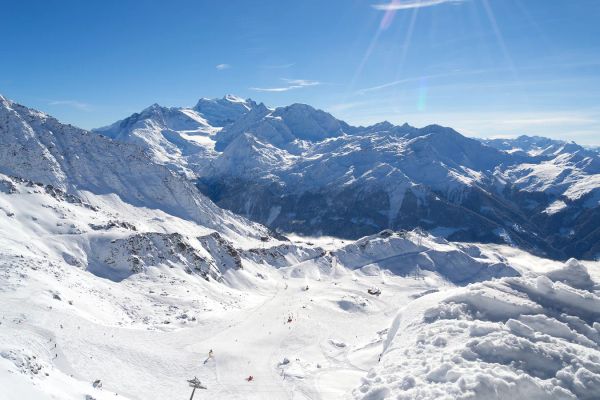
Alps Snow Forecast: Up to 64 cm Headed for the High Glaciers as the Snow Line Drops
The Alps are about to swap mild, sunny October weather for something far more wintry. A cold front arrives Tuesday, and SnowStash forecasts have Monterosa Ski out in front with 64 cm over 14 days, ahead of Blatten Belalp (55 cm) and Verbier (43 cm). The snow line should fall below 2000 metres by Wednesday night, and glaciers across Switzerland, Italy and Austria are in line for the best of it. The wind will have a say too.
20 Oct 2026
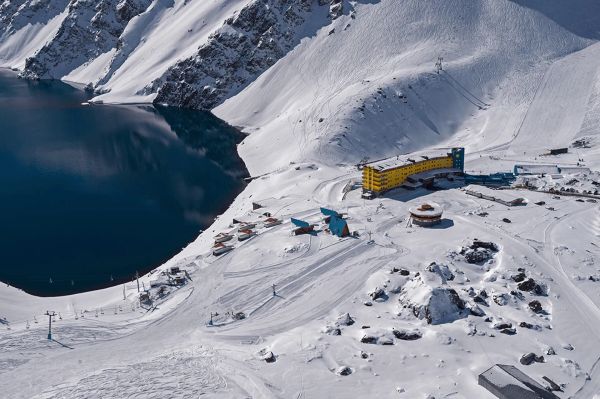
Four Dead After Avalanche Near Ski Portillo in Chile
A large avalanche struck near Laguna del Inca adjacent to Ski Portillo on Saturday afternoon, killing four people and injuring four others. The group were day visitors mountaineering in the backcountry after reportedly being warned about elevated avalanche risk by resort staff.
18 Oct 2026
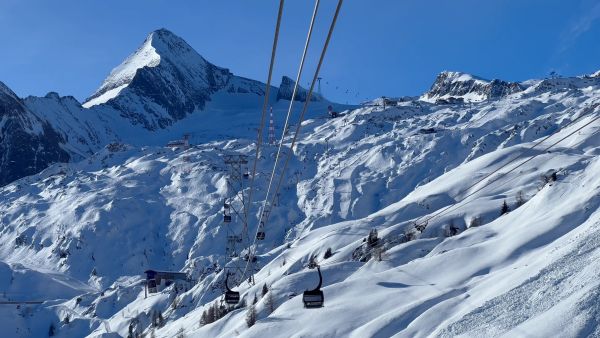
Europe Ski Resorts Open Now: What Is Skiable in Mid-October 2026
Europe’s ski season is open, technically. After a record-warm summer, glaciers in Austria, Switzerland and Italy are running a few pistes apiece, Sölden, Stubai and Kitzsteinhorn started late, Titlis has pushed back to 24 October, and Zermatt reopens a few lifts on 14 October after more than two months shut. Finland’s Levi and Ruka are skiing on stored snow. Here is what is open, and what you actually get at each.
14 Oct 2026

Zermatt Plans World Cup Downhill Return on the Gornergrat for 2028
Zermatt is having another crack at a World Cup downhill, and this time nobody has to cross a border. Around 13 million Swiss francs is going into rebuilding the Gornergrat piste, including a jump fed by a roughly 300-metre in-run across the roof of the Gornergrat Railway gallery, with the Matterhorn lined up behind it for the TV cameras. First men’s race is pencilled in for March 2028, pending FIS homologation.
14 Oct 2026

Mt. Rose Begins Snowmaking for the 2026-27 Season at Lake Tahoe
Lake Tahoe’s highest base elevation is paying off early: Mt. Rose has started making snow for 2026-27 after the first flurries and a cold snap. The Nevada resort is backing it with nearly US$2 million in upgrades, including a replacement snowmaking main line, a new PistenBully groomer and restraint bars on every lift. Opening day is yet to be confirmed, though Heavenly and Northstar are already eyeing 20 November.
13 Oct 2026

Utah Ski Resorts 2026-27: What’s New at Alta, Deer Valley, Powder Mountain and More
Utah is still building flat out. For 2026-27, Powder Mountain opens a steep new Skytrac chair into more than 1,000 acres of advanced terrain, Deer Valley adds 200 acres on Hail Peak, Sundance gets a new quad and Park City adds a gondola from its new parking structure. Snowmaking is expanding almost everywhere, Eagle Point stays closed after the Cottonwood Fire, and the 2034 Games are setting the pace. Here’s what’s new, resort by resort.
13 Oct 2026

Mt Hutt Invests NZ$12 Million in Base Area, Tripling Its Sun Deck
Mt Hutt is getting busier, and its base lodge is about to catch up. NZ$12 million goes into a heated sun deck roughly three times the current size (430 m² to 1,300 m²), plus a new toilet block, heated steps down to snow level, extra storage and a new food and beverage outlet. Building starts after the 2026 season, with everything due for winter 2027.
11 Oct 2026

Vermont Ski Resort Opening Dates 2026-27: Few Dates Set, Killington Waits on the Cold
Vermont's season is slow to take shape. Stratton is tentatively targeting 18 November and Sugarbush 21 November, while Pico has Friday 11 December on the calendar. Killington never sets a date and opens when the snowmaking allows, and Vail Resorts has yet to name days for Stowe, Okemo and Mount Snow. The forecasts disagree about snow, and the main El Niño worry for the Green Mountains is warmth.
9 Oct 2026
Mammoth Mountain Lift System
Mammoth operates 31 lifts comprising three gondolas, four six-pack chairs, nine quad chairs (eight high-speed), six triple chairs, three double chairs and six surface lifts. Total uphill capacity reaches 59,000 riders per hour across the network. Broadway Express serves Main Lodge as the primary beginner access, whilst the Village Gondola transports 15 passengers per cabin between the pedestrian village and Canyon Lodge base in a seven-minute journey.
The Panorama Gondola ascends from Main Lodge to the 3,369-metre summit, providing scenic access and connecting to Chair 23 for expert terrain. Chair 1 was replaced in 2024 with a Doppelmayr D-Line six-pack detachable featuring 3,000 passengers per hour capacity, a 25% improvement over its predecessor. Chair 16 received a similar upgrade from quad to six-pack in 2024, adding capacity at the critical mid-mountain junction above Canyon Lodge. Face Lift Express and Unbound Express received new AC drives and upgraded controls in 2024.
High Five Express, Gold Rush Express and Discovery Express serve intermediate terrain across the front side, whilst Cloud Nine Express accesses the backside with gladed runs and varied exposure. Chair 22 reaches Lincoln Mountain's wind-protected expert zone, operating consistently when upper lifts close. The lift network spreads across a horizontal expanse connecting Main Lodge, Canyon Lodge, Eagle Lodge and The Mill base areas. Chairs 3, 5, 9, 12, 14, 20 and 25 distribute intermediate traffic efficiently.
Alterra Mountain Company announced infrastructure investment plans in 2024 following its 2017 acquisition of the resort. In-terminal chair storage at Chair 1 and Chair 16 enables faster reopening after storms. Snowmaking covers 700 acres across 81 trails, supported by a $3.5 million automation and efficiency upgrade in 2024 including 22 SMI Super Puma fan guns and 15 HKD Klik guns. Mammoth's fleet of over 30 snowcats grooms 800 to 1,000 acres nightly, processing approximately 110 runs during peak season weekends.
31lifts across 6 types
3
Gondolas
4
6-Person Chairs
9
Quad Chairs
6
Triple Chairs
3
Double Chairs
6
Surface Lifts
Mammoth Mountain lift system
Mammoth Mountain is served by 31 lifts, listed here by type. Check which lifts are turning against the live conditions before you plan your first laps - early lifts and high-speed chairs get you to the best snow fastest.
More Mammoth Mountain intelligence: trail map, snow report, webcams, resort overview.