
The Overview
Michael Fulton
Melbourne-based skier and snowboarder with 50+ resorts across 5 continents. Specialises in Australian resorts and international resort comparisons.
Arapahoe Basin's summit reaches 13,050 feet, dropping 2,530 vertical feet to a base at 10,518 feet across 147 runs spread over 1,428 acres near Dillon, Colorado. Terrain splits 49 per cent advanced, 24 per cent expert, 20 per cent intermediate and 7 per cent beginner, with average annual snowfall of roughly 350 inches. The resort carries Ikon Pass and Mountain Collective affiliation. Eight lifts, including four quad chairs and one six-person chair, serve the mountain alongside one double chair, two surface lifts and one t-bar.
Arapahoe Basin, affectionately known as The Legend, holds the distinction of being the first ski area to open in Colorado after the Second World War, and its genuinely high-alpine, largely above-treeline terrain has built a devoted following among serious skiers. The resort markets Colorado's longest season, often stretching from late October into June.
10th Mountain Division veterans Larry Jump and Sandy Schauffler, hired to survey Colorado's winter sports potential, founded A-Basin, with Jump investing his life savings of 25,000 US dollars. Local forestry professor Max Dercum and his wife Edna, who also owned Colorado's oldest guest ranch, the Ski Tip Ranch, joined the effort alongside Thor Groswold and Dick Durrance, purchasing an 80-acre parcel for 3,000 US dollars and opening the resort in December 1946 with a single mid-mountain rope tow after just five months of preparation.
A-Basin was sold in 1972 to Joe Jankovsky, then to Ralston Purina in 1978, before Vail Resorts purchased the resort in 1996. Department of Justice antitrust action forced Vail to divest a year later, and Dundee Resort Development of Canada, now known as DREAM, acquired A-Basin in 1997. Adult daily tickets run from 79 to 139 US dollars depending on weekday or weekend timing.
2,530ft
Vertical
147
Runs
1,428 acres
Skiable
29ft
Annual snow
Ikon / Mountain Collective
Pass
The Terrain
147 runs across 1,428 acres skiable
Arapahoe Basin sits on the Continental Divide near Dillon and covers 1,428 acres (578 hectares) of high alpine terrain. The base is at 10,520 ft (3,206 m) and the summit tops out at 13,050 ft (3,977 m), a vertical drop of 2,530 ft (771 m) across 147 runs. The split leans steep, with 49% advanced, 24% expert, 20% intermediate and just 7% beginner, so green circle choice is thin. Average snowfall is around 350 inches a year, with the Lenawee Express carrying skiers to the top of the main peak.
The East Wall is the signature steep zone, a billboard of double black chutes off Lenawee Mountain, bisected by the long East Wall Traverse that reaches a lot of difficult terrain. Pallavicini is a group of steep, mogul-covered double black runs, with gated access to Steep Gullies, narrow, rocky, expert-only chutes that were backcountry before joining the ski area in 2017-18. Montezuma Bowl on the back side, served by the Zuma lift, offers everything from groomed intermediate runs to advanced cornice runs. A-Basin rewards confident advanced and expert skiers and solid intermediates who want open alpine terrain rather than tree-lined groomers. Newer skiers will find bigger beginner areas elsewhere in Summit County.
Terrain split
147
runs
147 runs across 4 grades
Beginner10 runs · 7%
Intermediate29 runs · 20%
Advanced72 runs · 49%
Expert35 runs · 24%
Time it right
When to visit Arapahoe Basin
The 2025-26 season at Arapahoe Basin ran from 25 October 2025 to 14 June 2026, an exceptionally long roughly thirty-three-week season, among the longest in Colorado, supported by average annual snowfall of around 350 inches. This marketed longest season reflects the resort's considerable elevation and reliable early and late-season conditions.
Midwinter, from December through February, typically brings the most consistent conditions to A-Basin's advanced-and-expert-weighted terrain. As an Ikon Pass and Mountain Collective resort, A-Basin draws substantial visitation from pass holders alongside dedicated local skiers seeking its genuinely high-alpine character and famously late spring skiing season.
The resort's above-treeline terrain and Montezuma Bowl expansion continue to draw experienced skiers throughout the season, particularly during the extended spring period when few other Colorado resorts remain open. School holiday periods bring some family visitation, though the resort's advanced-weighted terrain skews its visitor base toward more experienced skiers.
Specific event programming beyond standard operations is not confirmed in available resort information. Since Dundee Resort Development's 1997 acquisition, A-Basin has continued building on nearly eight decades of history since its December 1946 founding as Colorado's first post-war ski area. The Legend's long season and high-alpine terrain remain central to its identity each year.
Season 2026 - 2027
24 Oct 2026
Opens
16 May 2027
Closes
204
Days open
29 ft
Annual snow
Getting there
Getting to Arapahoe Basin, and where to stay
Arapahoe Basin sits near Dillon, Colorado, along the Continental Divide, with a base elevation of 10,518 feet and a summit at 13,050 feet across a 2,530-foot vertical drop over 1,428 acres. This considerable elevation places A-Basin among the highest-elevation ski areas in North America.
Dillon and the broader Summit County region offer substantial lodging, dining and services within a short drive of the resort. Denver, Colorado's largest city, lies within a reasonable drive as well, making A-Basin a popular day-trip destination for Front Range skiers.
US Highway 6 provides direct access to the resort over Loveland Pass. Winter driving conditions on this high-mountain route can include significant snow and ice, and travellers should carry appropriate equipment given the pass's considerable elevation. There is no direct public transport service to the resort, though regional shuttle options connect from Summit County.
Denver International Airport, roughly a two-hour drive away, is the primary gateway for visitors flying into Colorado, with A-Basin's proximity to Denver supporting strong day-trip and weekend visitation from the metropolitan area.
Where to stay
Search all stays →Hotels and lodges near Arapahoe Basin, powered by Stay22.
Latest News
From the SnowStash desk

Kelly Canyon, Idaho, Adds Snowmaking, a Bigger Terrain Park and More Parking for 2026-27
Kelly Canyon had a rough 2025-26, and the Idaho resort has spent the summer making sure it doesn’t repeat. Snowmaking now reaches the top of Goldrush, the terrain park is doubling in size with a stereo system, lights and a snack shack, and the car park is getting bigger. Grooming is stepping up too. Target opening is December 4, conditions permitting.
9 Oct 2026
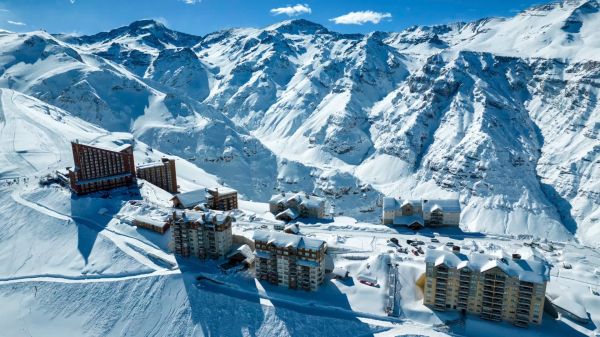
Valle Nevado Extends Season to November 8 After 108 cm in 48 Hours
Winter was meant to be winding down in Chile. Then Valle Nevado took 108 cm in 48 hours in early October, and the resort has pushed its closing date out to November 8 - its latest in 38 years of operation. That makes 143 days of skiing since opening day on June 19, with 690 cm banked for the season. Only part of the mountain is running while the storm settles, so check the mountain report before you plan a trip.
9 Oct 2026
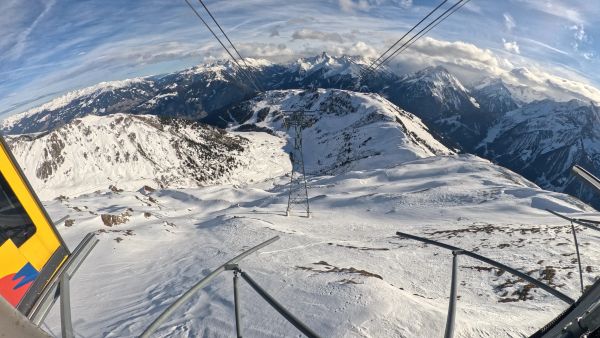
Alps Snow Forecast: Cold Front Brings Thursday Snow to the High Alps
The Alps look a lot more like winter today, for a day or so. A cold front is moving west to east, dropping up to 35 cm on high glaciers and peaks, with snow levels falling to around 1,500-1,800 m at times. Don’t plan a trip around it: mid-elevation snow will be thin and wet, every area is closed bar a limited Sölden glacier opening tomorrow, and warmer weather returns by Monday.
8 Oct 2026
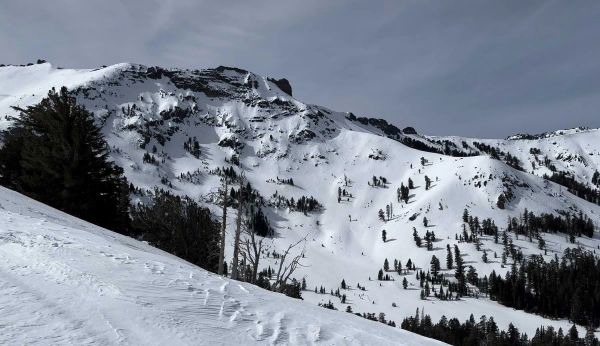
California Ski Resort Opening Dates 2026-27: Mammoth Leads, Tahoe Follows
Mammoth Mountain is first up in California, targeting Friday 13 November after a dusting of September snow. Heavenly and Northstar follow on 20 November, Palisades Tahoe on Wednesday 25 November and Sugar Bowl on 27 November, with Kirkwood on 4 December and June Mountain on 19 December. Plenty of smaller areas have no date yet. A super El Niño favours the Sierra, but a warmer storm track is the catch.
7 Oct 2026
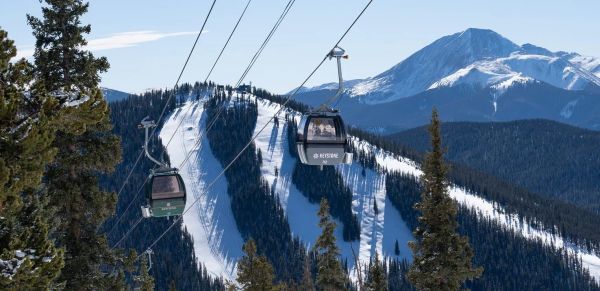
Colorado Ski Resort Opening Dates 2026-27: A-Basin and Keystone Race to Be First
Arapahoe Basin, Keystone and Winter Park are all chasing an October start, though none has a firm date yet. The first dated openers are Breckenridge and Copper on Friday 6 November, then Vail on 13 November, with most of the rest bunched around US Thanksgiving. Hesperus did not open at all last season. A super El Niño offers hope but no guarantee, and forecasters say the southern mountains have the better odds.
5 Oct 2026
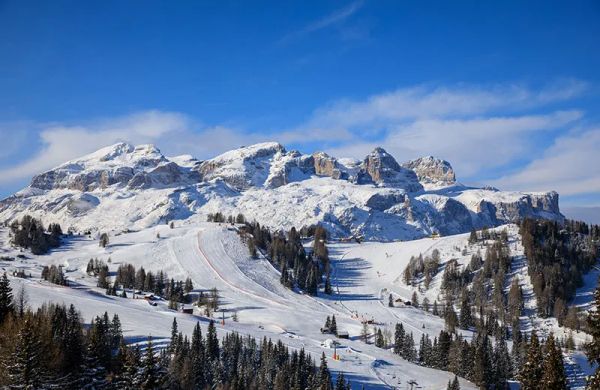
Dolomiti Superski 2026-27: Four New Gondolas, New Reservoirs and an €89 Peak Day Pass
Dolomiti Superski is spending around €100 million across its 12 areas before winter. Kronplatz gets a new 10-passenger gondola with a middle station, 3 Zinnen gets Helmissimo, and Val di Fassa swaps a chairlift for a gondola above Col Valvacin. New water-storage basins and upgraded snowmaking follow, and construction has started on the San Martino to Passo Rolle link. A peak adult day pass is €89.
4 Oct 2026
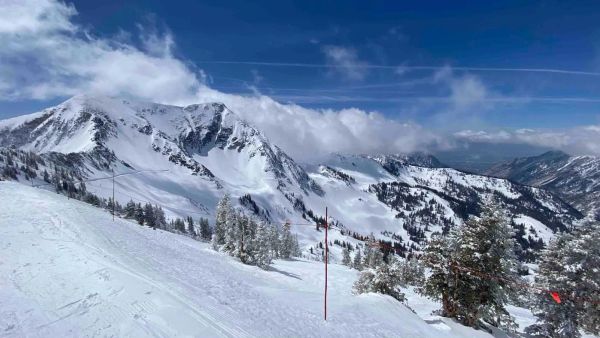
Utah Ski Resort Opening Dates 2026-27: Brian Head First, Eagle Point Out
Brian Head is targeting 6 November, though last year it aimed for 7 November and did not open until the 25th. Park City, Alta and Solitude are pencilled in for 20 November, Snowbird and Snowbasin for 27 November, and Deer Valley for 5 December. Eagle Point will stay closed after the Cottonwood Fire. A super El Niño is forecast, but the big snow is not expected until January.
4 Oct 2026
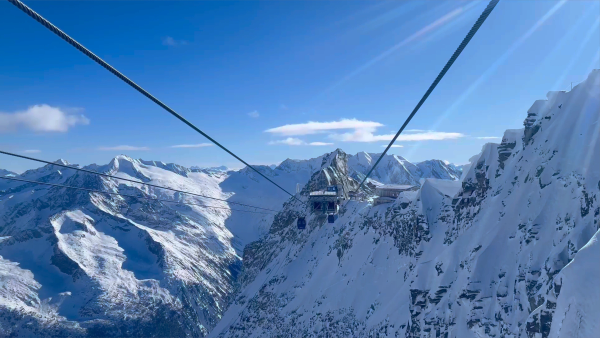
Hintertux Glacier Opens for 2026-27 With 12 Kilometres of Piste
Hintertux became Austria's second glacier to open for 2026-27 on Friday 2 October, after the Pitztal Glacier. Twelve kilometres of piste are running around the Olperer and Gefrorene Wand, served by one gondola and two drag lifts, with the Betterpark also open. Lifts officially run 8:15 am to 4:30 pm, but skiing stops at 2 pm for now.
4 Oct 2026