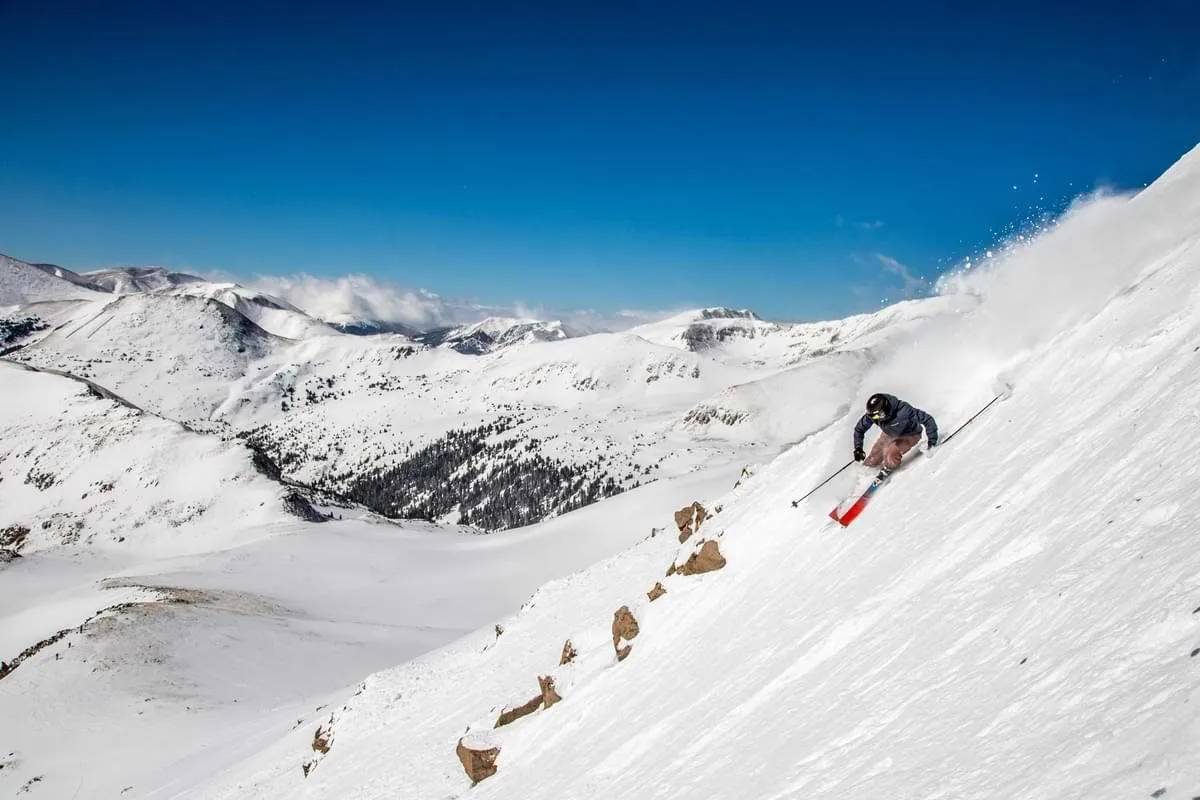
Loveland
1,800 acres, 94 runs near Georgetown. Continental Divide setting, early season opening, independently operated.

Season 2026 - 2027
Opens
7 Nov 2026
Closes
9 May 2027
Days open
183
Annual snow
422in
The Overview
Michael Fulton
Melbourne-based skier and snowboarder with 50+ resorts across 5 continents. Specialises in Australian resorts and international resort comparisons.
Loveland's summit reaches 13,010 feet, dropping 2,410 vertical feet to a base at 10,600 feet across 94 runs spread over 1,800 acres near Georgetown, Colorado, atop the Continental Divide. Terrain splits 39 per cent intermediate, 26 per cent advanced, 18 per cent expert and 17 per cent beginner, with average annual snowfall of roughly 422 inches. Ten lifts, including three quad chairs and one six-person chair, serve the mountain alongside five double chairs and one surface lift.
Loveland holds a genuinely distinctive place among Colorado resorts for two reasons: its position straddling the Continental Divide, with terrain in both the Arapaho and Roosevelt National Forests, and its long-standing reputation as one of the most affordable, uncrowded major ski areas close to Denver. The resort typically opens earlier than nearly any other in Colorado.
Loveland Ski Area traces its origins to 1936, when a rope tow was installed on Loveland Pass, making it one of the oldest continuously operating ski areas in Colorado. The resort takes its name from the pass and the nearby town of Loveland, itself named after railroad executive William Austin Hamilton Loveland. Development continued through the following decades as the resort expanded lift-served terrain across both Loveland Valley and Loveland Basin.
Loveland has remained independently operated for decades, standing apart from the major multi-resort pass consolidation seen elsewhere in Colorado, and does not carry Epic or Ikon Pass affiliation. Adult daily tickets run from 79 to 119 US dollars.
2,208ft
Vertical
94
Runs
1,800 acres
Skiable
422in
Annual snow
Powder Alliance
Pass
The Terrain
94 runs across 1,800 acres skiable
Loveland covers 1,800 acres (728 hectares) of high alpine terrain on the east side of the Continental Divide, straddling the entrance to the Eisenhower Tunnel. Lifts run from 10,800 ft (3,292 m) to 13,010 ft (3,965 m), a vertical of 2,210 ft (673 m) over 94 runs. The split is 41 per cent intermediate, 26 per cent expert, 20 per cent advanced and 13 per cent beginner, which is an unusually expert-heavy balance for an area this size. Snowfall averages around 420 inches a year, and the open, exposed slopes mean wind can shape the day. Two areas, Loveland Basin and Loveland Valley, share the lift system.
Chair 9 serves the Ridge, where most of the advanced and expert skiing sits among wide open alpine bowls, and Fire Bowl and Avalanche Bowl are named runs worth seeking out. Chair 4 is a triple climbing to intermediate and advanced runs, with a link to the quad on Chair 8 at the far north side of the mountain, and powder stashes collect between Chair 4 and Chair 8 after storms. Loveland Valley is the learning side, with the beginner slopes All Smiles and Take Off on the dedicated Chair 7, and Chair 3 serving intermediate and race runs. It suits Front Range day skiers, confident intermediates and anyone chasing early-season snow.
Terrain split
94
runs
94 runs across 4 grades
Beginner12 runs · 13%
Intermediate39 runs · 41%
Advanced19 runs · 20%
Expert24 runs · 26%
Time it right
When to visit Loveland
The 2025-26 season at Loveland ran from 24 October 2025 to 4 May 2026, a roughly twenty-eight-week season, among the longest in Colorado, supported by average annual snowfall of around 422 inches, among the highest totals in the state. Loveland traditionally competes for the earliest opening date in Colorado each year.
Midwinter, from December through February, typically brings the most consistent conditions to Loveland's high-elevation terrain along the Continental Divide. As an independently operated resort without Epic or Ikon Pass affiliation, Loveland draws value-focused skiers and Front Range locals seeking an accessible, less crowded alternative to the larger destination resorts.
Loveland's considerable proximity to Denver, combined with its early-opening tradition and substantial snowfall, supports strong weekday and weekend visitation from Front Range skiers throughout the season. School holiday periods bring family visitation given the resort's approachable pricing and varied terrain.
Specific event programming beyond standard operations is not confirmed in available resort information. Loveland continues to build on nearly nine decades of history since its 1936 founding as one of Colorado's oldest ski areas. The resort's Continental Divide setting and independent, affordable character remain central to its enduring popularity among Front Range skiers.
Season 2026 - 2027
7 Nov 2026
Opens
9 May 2027
Closes
183
Days open
422 in
Annual snow
The record
Historical snowfall at Loveland
Daily snow reports at Loveland go back to 2025, 2 winters on the books. Open the record to compare winters, lifts and piste.
10 in
Snowiest day
7 Dec 2025
1 in
This winter · 2026-27
so far
148 in
Typical winter
average of complete seasons
Winter totals
in
Past wintersThis winter
Getting there
Getting to Loveland, and where to stay
Loveland sits near Georgetown, Colorado, straddling the Continental Divide, with a base elevation of 10,600 feet and a summit at 13,010 feet across a 2,410-foot vertical drop over 1,800 acres. This considerable elevation and Continental Divide position make Loveland one of the more dramatically situated resorts in Colorado.
Georgetown, a small historic mountain town, and the broader Clear Creek County region provide local lodging and dining within a manageable drive of the resort. Loveland's terrain spans both the Arapaho and Roosevelt National Forests.
Interstate 70 provides direct access to the resort, with Loveland positioned close to the highway near the Eisenhower Tunnel, making it one of the more accessible major Colorado resorts from Denver. Winter driving conditions on the interstate can include significant snow and ice near the Continental Divide, and travellers should carry appropriate equipment.
Denver International Airport, roughly a 75-minute drive away, is the primary gateway for visitors flying into Colorado, with Loveland's considerable proximity to Denver making it a genuinely convenient day-trip option for Front Range skiers and visitors alike.
Where to stay
Search all stays →Stays map loads when you scroll here
Hotels and lodges near Loveland, powered by Stay22.
Latest News
From the SnowStash desk
Purgatory Reveals Seven New Trails and a Colorado Couloir Chairlift Opening in December
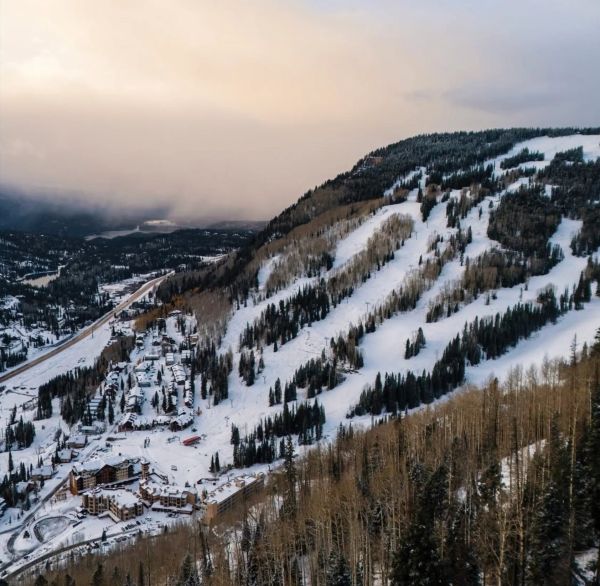
Purgatory’s new trail map reads like a warning label. Seven new trails named after Dante’s Divine Comedy arrive with the Colorado Couloir chairlift in December, adding around 40 acres (16 ha) of steep pitches and gladed tree skiing. Five of them are black or double black. The resort opens for the season this Friday, 20 November.
19 Nov 2026
Brian Head Becomes First Utah Resort to Open for 2026-27, With Six Trails and a New Snowmaking Pipeline
Utah’s ski season has started, and it began in the south. Brian Head opened on Tuesday, 17 November, with six trails on the Navajo Express after 14 inches (36 cm) of storm snow and another half foot on opening day. It is the second year running the resort has beaten the rest of the state to first chair, and it has put nearly $1 million into a new snowmaking pipeline that can run 24 guns at once.
19 Nov 2026
Heavenly and Northstar Open Friday as Lake Tahoe Snow Stacks Up, With Kirkwood Eyeing an Early Start
Tahoe has gone from dry to deep in a week. Heavenly and Northstar open this Friday, 20 November, with up to 24 inches (61 cm) already down at Kirkwood and 50+ inches (127 cm) in the 10-day forecast. Kirkwood normally waits until December, but this snow might change that. Heavenly is even talking about opening Stagecoach in Nevada early, which almost never happens this soon.
18 Nov 2026
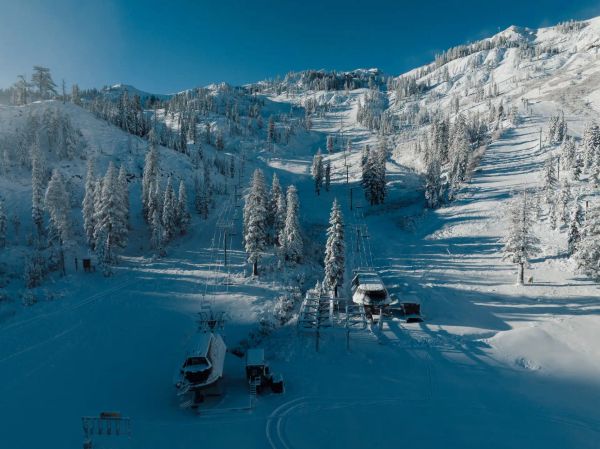
Palisades Tahoe Opens Saturday, Four Days Early, After 26 Inches of New Snow
Palisades Tahoe has pulled its opening forward by four days. Lifts spin this Saturday, 21 November, after 26 inches (66 cm) of new snow, with up to 50 more in the forecast. Opening terrain includes Treeline Cirque at Alpine and Gold Coast and Sunkid 1 at Palisades, though the resort says the weather could change the plan. Tickets are $99 through Tuesday.
18 Nov 2026
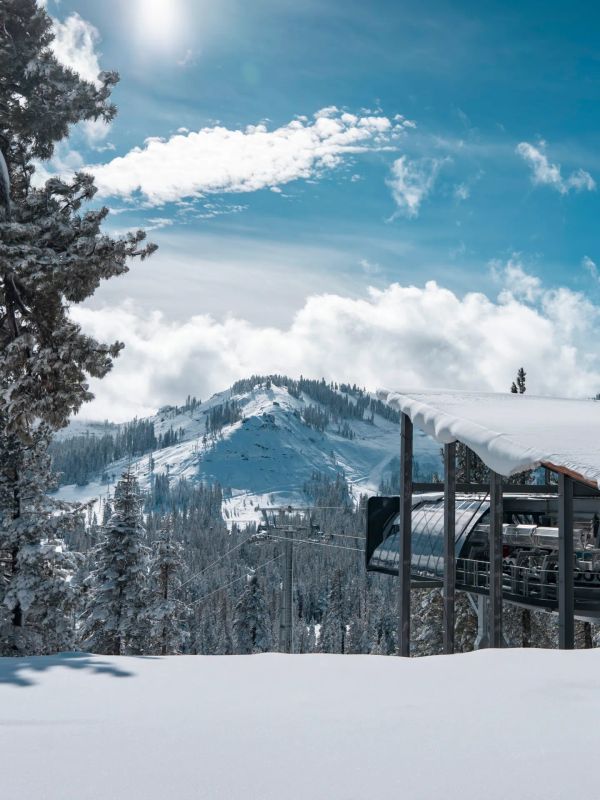
Sugar Bowl Gondola Slips to January 2027 as Opening Day Holds
Sugar Bowl still opens on 27 November, just without its new gondola. The eight-passenger Village Gondola is now targeting January 2027, with all eight towers up, the haul rope on and the first cabin hanging. Until it runs, everyone gets in through the Main Lodge, with curbside drop-off and parking lot shuttles. It replaces the first gondola in the western US, which dates from 1953.
16 Nov 2026
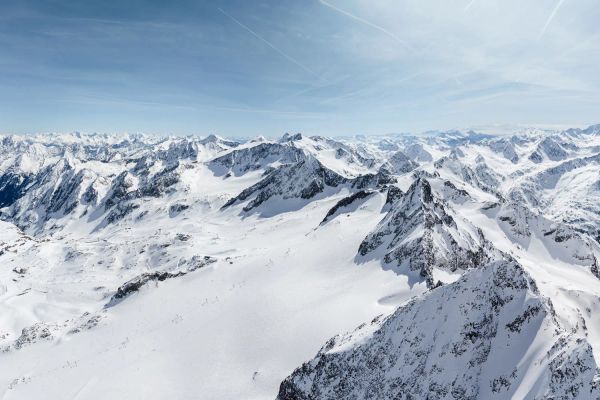
Stubai Glacier Avalanche Ends in Austria’s First Death of the Season
A 72-year-old American skier has died on Stubai Glacier after a small slab avalanche carried him over rocky ground and into a 20-metre crevasse. It is Austria’s first avalanche death of the 2026-27 season, and forecasters had flagged this exact setup two days earlier. Here is what happened near the Daunscharte, and what the snowpack was already telling anyone who was reading it.
15 Nov 2026
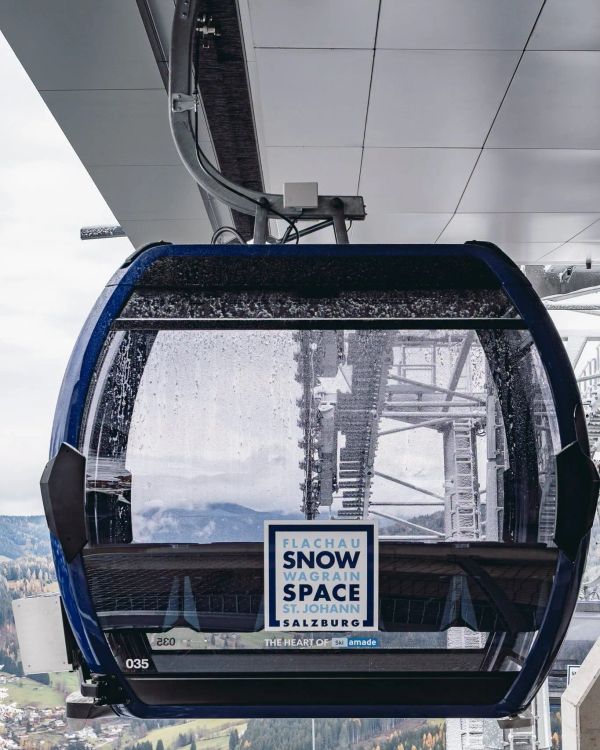
Wagrain’s New Grafenbergbahn Gondola Appears in First Photos
Wagrain’s new Grafenbergbahn is nearly here, and Snow Space Salzburg stamped “no AI” on the first photos, which says plenty about 2026. One 10-person gondola takes over from three old lifts, with 120 cabins moving up to 3,400 people an hour and a mid-station link into the G-Link. Dark blue cabins, fresh snow, no opening date yet.
14 Nov 2026
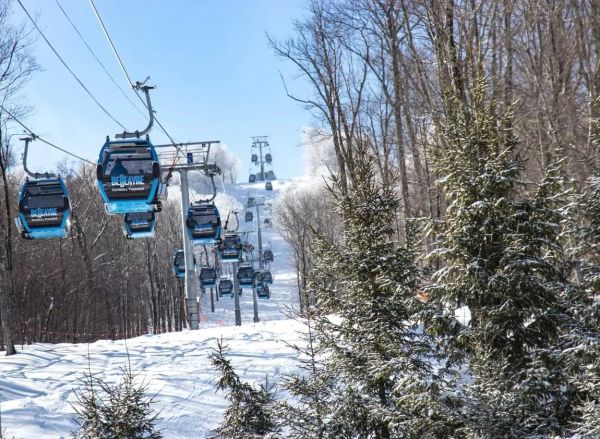
Indy Pass Adds 10 Alpine and 5 Nordic Partners for 2026-27
Indy Pass just got bigger. On 12 November it announced 10 new alpine resorts and 5 Nordic centres for 2026-27, including four in Norway and one in Austria. Three New York State mountains - Whiteface, Gore and Belleayre - also signed on to its Allied Program, with discounted tickets rather than included days. Waitlisted customers are being offered passes, and Learn to Turn news is due this week. Full list inside.
13 Nov 2026
Loveland Snow Report
Snow Report
Updated 19 Nov 2026
13,009ft
summit
+0in
new snow · last 24 hours
Overcast16°F / 31°F · SW 21mph
Snowfall
24 hours
0in
48 hours
1in
7 days
1in
Base depth
18in
Season total
1in
Typical winter 148in
Lifts open1 / 11
7 Nov 2026 - 9 May 2027
Hour by Hour
Next 48 hours· Updated Nov 19, 2026 at 5:02 PM
Scroll for the full outlook · Open-Meteo
7-Day Outlook
12,566 ftUpdated Nov 19, 2026 at 5:02 PMOpen-Meteo
Days 1–7
0.3"
Days 8–14
0.2"
Thu, Nov 19
Overcast
Temp31° / 16°°F
Snow0.0"
Wind21 mph SW
Live snow from the resort feed; forecast from Open-Meteo, via Supabase.
Understanding the Loveland snow report
Track current conditions at Loveland in Colorado. This report covers snowfall totals, base and summit depth, and the forecast across 94 runs.
Snow measurements
Our snow reports measure snowfall in centimeters over multiple time windows — last 24 hours, last 7 days, and the season total. Base depth reflects accumulation at the 3292m base area, while summit depth captures conditions 673m higher at 3965m, where snow typically stays colder and lingers longer. Imperial conversions are shown alongside for convenience.
Weather conditions
Wind and temperature swings matter as much as fresh snowfall. Cold, calm conditions hold snow quality well, while wind-loading or a warm-up can change things quickly — especially given the elevation spread between Loveland's base and summit.
Data sources
We pull Loveland's conditions from on-the-ground mountain reporting, then layer in forecast data so you get a fuller picture than either source alone. The mountain is served by 11 lifts, including 4 quad chairlifts.
When to check
Snow reports are typically updated early morning and late afternoon. For the most current conditions, check back regularly, especially if a winter storm is approaching.