
The Overview
Michael Fulton
Melbourne-based skier and snowboarder with 50+ resorts across 5 continents. Specialises in Australian resorts and international resort comparisons.
Winter Park's summit reaches 12,060 feet, dropping 3,060 vertical feet to a base at 9,000 feet across 165 runs spread over 3,081 acres near Winter Park, Colorado. Terrain splits 37 per cent intermediate, 24 per cent advanced, 21 per cent beginner and 18 per cent expert, with average annual snowfall of roughly 320 inches. The resort carries Ikon Pass affiliation. Twenty-three lifts, including seven quad chairs and one gondola, serve the mountain alongside five six-person chairs, three double chairs, three triple chairs and four surface lifts.
Winter Park holds the distinction of being Colorado's oldest continuously operating ski resort still in its original location, and its considerable terrain includes Mary Jane, a distinct mogul-and-glade-heavy area renowned among expert skiers. The resort's long-standing municipal ownership connection to the city of Denver adds a genuinely unusual chapter to its history.
The city of Denver developed Winter Park in 1940, opening it as a municipally owned recreation area accessible via the Moffat Tunnel railroad, making skiing available to Denver residents decades before the Interstate 70 corridor resorts existed. This municipal ownership continued for decades, a genuinely unusual arrangement among major American ski resorts.
Mary Jane opened as a separate mountain area in 1975, quickly building a reputation for challenging, ungroomed terrain distinct from Winter Park's more moderate main mountain. The city of Denver eventually leased resort operations to private management, and Alterra Mountain Company took over operations in 2019, bringing Winter Park into the Ikon Pass network. Adult daily tickets run from 129 to 199 US dollars.
3,061ft
Vertical
171
Runs
3,081 acres
Skiable
29ft
Annual snow
Ikon
Pass
The Terrain
171 runs across 3,081 acres skiable
Winter Park covers 3,081 acres (1,247 hectares) across 171 runs about 67 miles west of Denver, Colorado. Lifts run from 9,000 ft (2,743 m) to 12,060 ft (3,676 m), a vertical of 3,060 ft (933 m). Half of the terrain is advanced, with 24 per cent beginner, 22 per cent intermediate and 4 per cent expert, an unusual weighting that leaves the middle thin. Roughly 345 inches of snow falls a year. The mountain is divided into several territories, including Winter Park, Mary Jane and Vasquez Ridge, which share one lift ticket and are skied as one resort.
Mary Jane is the bump mountain, known for moguls and tree skiing that skiers come specifically to lap, and its above-treeline Parsenn Bowl is a territory in its own right. Vasquez Ridge offers intermediate terrain and mogul runs, while Vasquez Cirque, about 435 acres of former backcountry terrain, is reached by a hike from the top of Mary Jane and gives confident skiers steeper lines. The Eagle Wind lift and the glades below the cirque provide an easier route back to Mary Jane. It suits advanced skiers and bump fans in particular, and its distance from Denver makes day trips easy.
Terrain split
171
runs
171 runs across 4 grades
Beginner41 runs · 24%
Intermediate38 runs · 22%
Advanced86 runs · 50%
Expert7 runs · 4%
Time it right
When to visit Winter Park
The 2025-26 season at Winter Park ran from 14 November 2025 to 19 April 2026, a roughly twenty-three-week season supported by average annual snowfall of around 320 inches. Season dates can shift depending on early and late-season weather conditions.
Midwinter, from December through February, typically brings the most consistent conditions across both Winter Park's main mountain and the Mary Jane terrain. As an Ikon Pass resort under Alterra Mountain Company management, Winter Park draws substantial visitation from Ikon Pass holders alongside considerable day-trip traffic from Denver, given the resort's historic municipal connection to the city.
Winter Park's status as Colorado's oldest continuously operating resort continues to draw visitors interested in the mountain's long skiing heritage. School holiday periods bring substantial family visitation to the main mountain's approachable terrain, while Mary Jane draws dedicated expert skiers throughout the season.
Specific event programming beyond standard operations is not confirmed in available resort information. Since Alterra's 2019 takeover of operations, Winter Park has continued building on more than eight decades of history since its 1940 founding by the city of Denver. The resort's dual terrain character and deep Denver heritage remain central to its enduring popularity.
Season 2026 - 2027
30 Oct 2026
Opens
2 May 2027
Closes
184
Days open
29 ft
Annual snow
Getting there
Getting to Winter Park, and where to stay
Winter Park sits near the town of Winter Park, Colorado, with a base elevation of 9,000 feet and a summit at 12,060 feet across a 3,060-foot vertical drop over 3,081 acres. This setting places the resort within a comparatively short drive of Denver, reflecting its origins as a municipally developed recreation area for the city.
The town of Winter Park and nearby Fraser offer extensive lodging, dining and services within a short drive of the resort's base village.
US Highway 40 over Berthoud Pass provides direct access to the resort from the Denver metropolitan area, offering an alternative route to the Interstate 70 corridor used by many other Colorado resorts. Winter driving conditions on this mountain pass can include significant snow and ice, and travellers should carry appropriate equipment.
Denver International Airport, roughly a two-hour drive away, is the primary gateway for visitors flying into Colorado, with Winter Park's comparative proximity to Denver, historically connected by rail through the Moffat Tunnel, supporting substantial day-trip and weekend visitation from the Front Range.
Where to stay
Search all stays →Hotels and lodges near Winter Park, powered by Stay22.
Latest News
From the SnowStash desk
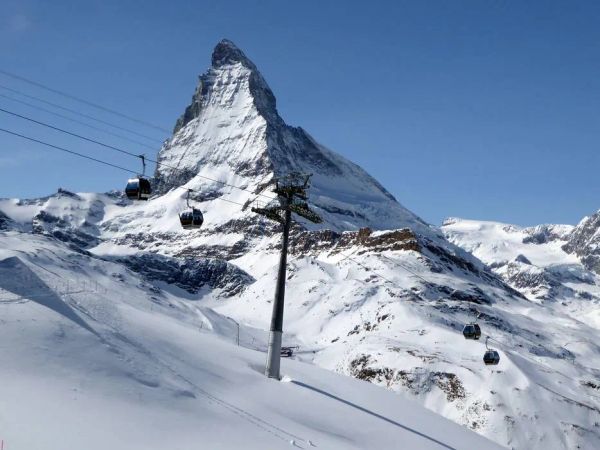
Zermatt Plans World Cup Downhill Return on the Gornergrat for 2028
Zermatt is having another crack at a World Cup downhill, and this time nobody has to cross a border. Around 13 million Swiss francs is going into rebuilding the Gornergrat piste, including a jump fed by a roughly 300-metre in-run across the roof of the Gornergrat Railway gallery, with the Matterhorn lined up behind it for the TV cameras. First men’s race is pencilled in for March 2028, pending FIS homologation.
14 Oct 2026
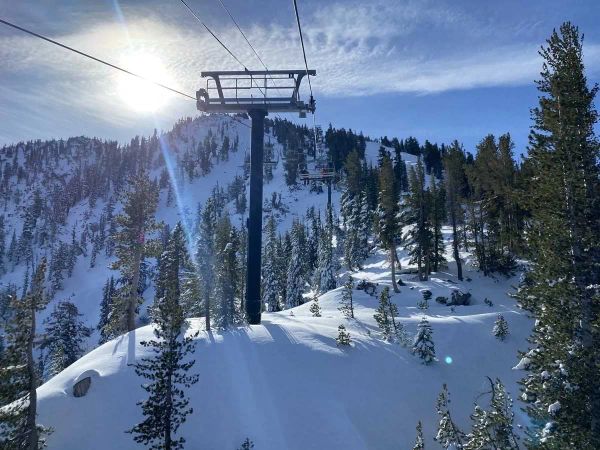
Mt. Rose Begins Snowmaking for the 2026-27 Season at Lake Tahoe
Lake Tahoe’s highest base elevation is paying off early: Mt. Rose has started making snow for 2026-27 after the first flurries and a cold snap. The Nevada resort is backing it with nearly US$2 million in upgrades, including a replacement snowmaking main line, a new PistenBully groomer and restraint bars on every lift. Opening day is yet to be confirmed, though Heavenly and Northstar are already eyeing 20 November.
13 Oct 2026
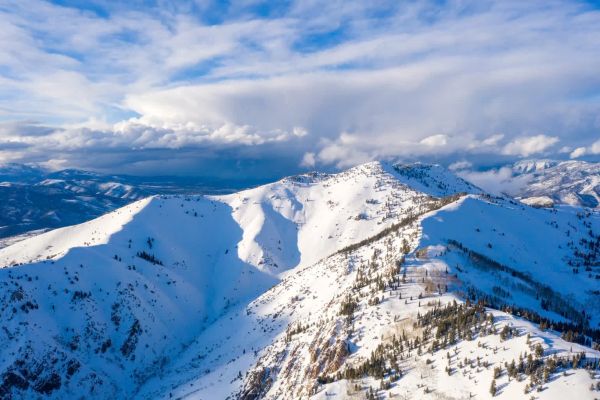
Utah Ski Resorts 2026-27: What’s New at Alta, Deer Valley, Powder Mountain and More
Utah is still building flat out. For 2026-27, Powder Mountain opens a steep new Skytrac chair into more than 1,000 acres of advanced terrain, Deer Valley adds 200 acres on Hail Peak, Sundance gets a new quad and Park City adds a gondola from its new parking structure. Snowmaking is expanding almost everywhere, Eagle Point stays closed after the Cottonwood Fire, and the 2034 Games are setting the pace. Here’s what’s new, resort by resort.
13 Oct 2026
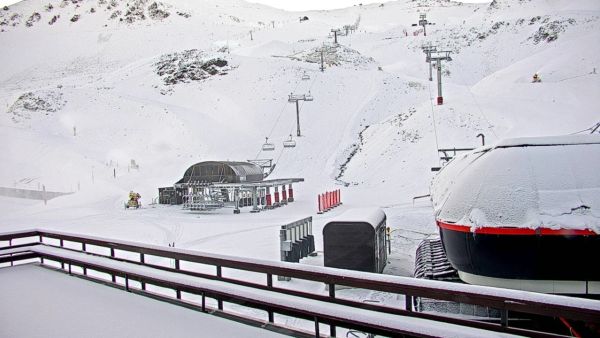
Mt Hutt Invests NZ$12 Million in Base Area, Tripling Its Sun Deck
Mt Hutt is getting busier, and its base lodge is about to catch up. NZ$12 million goes into a heated sun deck roughly three times the current size (430 m² to 1,300 m²), plus a new toilet block, heated steps down to snow level, extra storage and a new food and beverage outlet. Building starts after the 2026 season, with everything due for winter 2027.
11 Oct 2026

Vermont Ski Resort Opening Dates 2026-27: Few Dates Set, Killington Waits on the Cold
Vermont's season is slow to take shape. Stratton is tentatively targeting 18 November and Sugarbush 21 November, while Pico has Friday 11 December on the calendar. Killington never sets a date and opens when the snowmaking allows, and Vail Resorts has yet to name days for Stowe, Okemo and Mount Snow. The forecasts disagree about snow, and the main El Niño worry for the Green Mountains is warmth.
9 Oct 2026
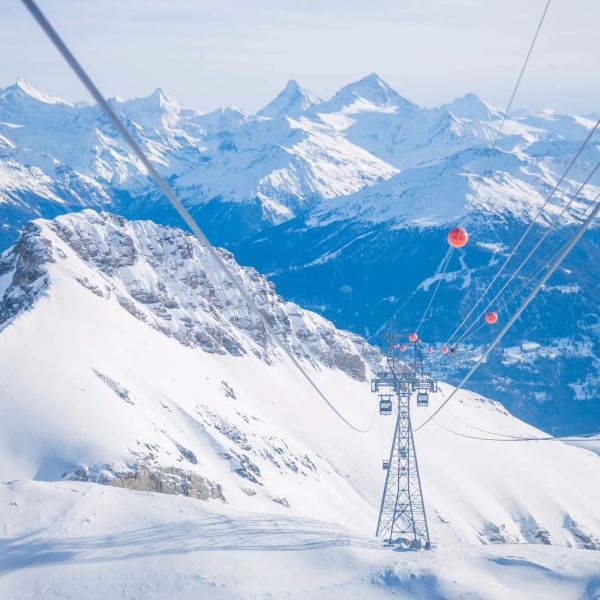
Crans-Montana 2027 World Championships President Resigns Ahead of Fraud Hearing
Less than four months out from the Crans-Montana 2027 World Championships, the man running the organising committee has stepped down. Claude-Alain Schmidhalter resigned as Swiss-Ski vice president and OC president after being indicted over a business dispute unrelated to skiing. He denies the allegations and faces court on October 27. Interim leaders are in place for the February 1-14 event.
9 Oct 2026
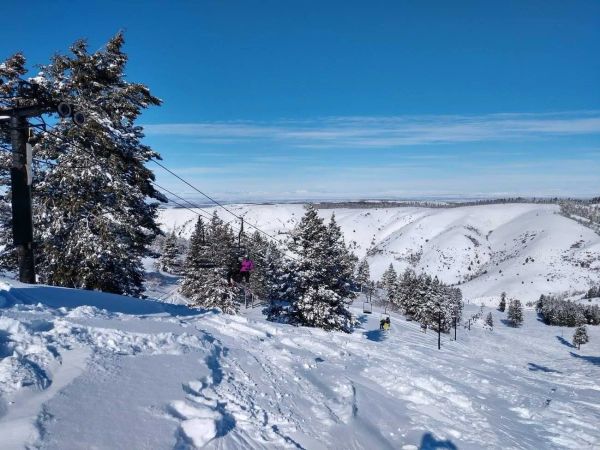
Kelly Canyon, Idaho, Adds Snowmaking, a Bigger Terrain Park and More Parking for 2026-27
Kelly Canyon had a rough 2025-26, and the Idaho resort has spent the summer making sure it doesn’t repeat. Snowmaking now reaches the top of Goldrush, the terrain park is doubling in size with a stereo system, lights and a snack shack, and the car park is getting bigger. Grooming is stepping up too. Target opening is December 4, conditions permitting.
9 Oct 2026
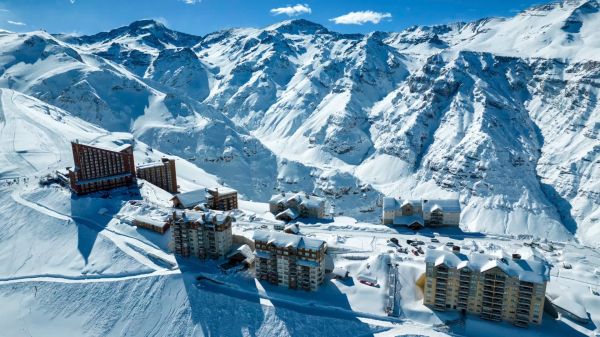
Valle Nevado Extends Season to November 8 After 108 cm in 48 Hours
Winter was meant to be winding down in Chile. Then Valle Nevado took 108 cm in 48 hours in early October, and the resort has pushed its closing date out to November 8 - its latest in 38 years of operation. That makes 143 days of skiing since opening day on June 19, with 690 cm banked for the season. Only part of the mountain is running while the storm settles, so check the mountain report before you plan a trip.
9 Oct 2026