Tamarack Resort
1,100 acres, 50 runs above Lake Cascade. Four-season resort with golf, marina, Indy Pass access.

Season 2026 - 2027
Opens
27 Oct 2026
Closes
11 Apr 2027
Days open
166
Annual snow
300in
The Overview
Michael Fulton
Melbourne-based skier and snowboarder with 50+ resorts across 5 continents. Specialises in Australian resorts and international resort comparisons.
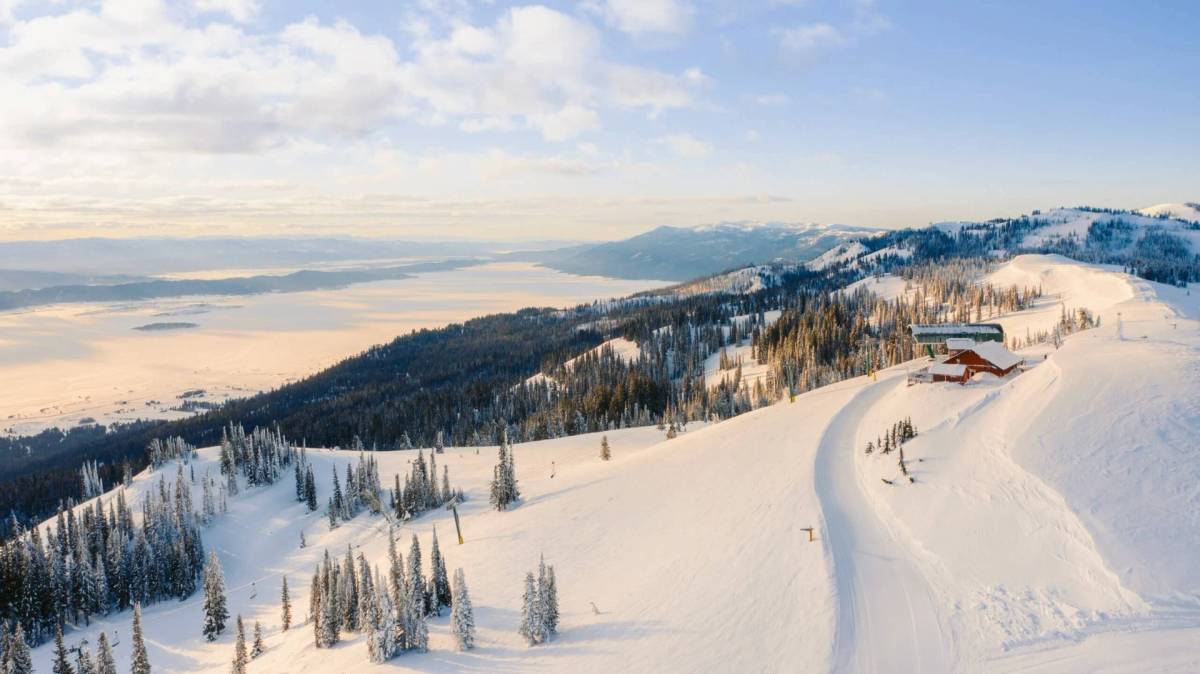
Tamarack Resort's summit reaches 7,700 feet, dropping 2,802 vertical feet to a base at 4,898 feet across 50 runs spread over 1,100 acres overlooking Lake Cascade in central Idaho. Terrain splits 45 per cent intermediate, 38 per cent advanced and 17 per cent beginner, with no expert-rated runs, and average annual snowfall of roughly 300 inches. The resort carries Indy Pass affiliation. Seven lifts, including five quad chairs, serve the mountain alongside one surface lift and one t-bar.
Tamarack's lake-view setting and four-season resort amenities, including golf and a marina, distinguish it from Idaho's more purely ski-focused mountains. The resort's turbulent financial history has shaped much of its development, with terrain and lift buildout proceeding in stages tied to successive rounds of investment rather than a single continuous expansion. Its current 1,100-acre footprint remains smaller than the resort's original master-planned scope.
The project was first announced in 1988 as Valbois Resort on West Mountain in Valley County before going bankrupt, and in 1998 Mexican businessman Alfredo Miguel Afif purchased the assets and renamed it Westrock. When it opened in 2004 as Tamarack, it was the first new destination ski resort built in North America in 23 years. The resort's majority owners filed for Chapter 11 bankruptcy in February 2008 after failing to secure financing against an existing 262 million US dollar loan from Credit Suisse, and the resort closed in 2009.
A group of homeowners restarted limited ski operations in 2010 to keep the lifts running while foreclosure proceedings continued, with Credit Suisse ultimately gaining ownership through a 2014 sheriff's sale. New ownership group Tamarack Resort Holdings, a joint venture called Imperium Blue, took over in November 2018, and MMG Equity Partners assumed full ownership in October 2021, investing more than 245 million US dollars into the property since. Adult daily tickets run from 89 to 129 US dollars, with Boundless season passes from 699 dollars.
2,802ft
Vertical
50
Runs
1,100 acres
Skiable
300in
Annual snow
Indy
Pass
The Terrain
50 runs across 1,100 acres skiable
Tamarack Resort stretches 50 runs over about 1,100 acres (445 hectares) on West Mountain above Lake Cascade, rising from 4,900 feet (1,493 m) to 7,700 feet (2,347 m) for roughly 2,800 feet (854 m) of vertical. Intermediates dominate with 45% of the terrain, advanced skiers hold 38% and beginners 17%, with no expert-rated runs. Five quad chairs, a t-bar and a surface lift handle the uphill traffic, so the lift system is modern and efficient. The mountain faces east, which brings morning sun and a distinctly big-mountain feel for its size.
The Summit Express serves the upper mountain, where the steepest runs and the most challenging pitches sit. Tamarack Express loads straight from the base and leads to beginner and intermediate runs, along with several terrain parks. Wildwood Express works the northern boundary, with groomed trails and fun tree skiing. Runs descend a long way before reaching the base, which gives strong skiers plenty of consistent fall line to enjoy. Tamarack suits intermediates and advanced skiers wanting quad-chair efficiency, and its lake views and four-season amenities add appeal for families on longer stays.
Terrain split
50
runs
50 runs across 4 grades
Beginner9 runs · 17%
Intermediate23 runs · 45%
Advanced19 runs · 38%
Expert0 runs · 0%
Time it right
When to visit Tamarack Resort
The 2025-26 season at Tamarack Resort ran from 27 November 2025 to 12 April 2026, a roughly nineteen-week season supported by average annual snowfall of around 300 inches. This snowfall total supports a reasonably long season for a resort of Tamarack's size and elevation. Season dates can shift slightly depending on early and late-season weather.
Midwinter, from December through February, typically brings the most consistent conditions across the resort's intermediate and advanced terrain. As a resort still rebuilding its destination profile following years of financial difficulty, Tamarack's crowd patterns tend to be lighter than more established Idaho destinations, even during peak holiday periods. Weekday visits are generally quiet.
The resort's four-season amenities, including golf and a marina on Lake Cascade, mean Tamarack's identity extends beyond winter operations alone, though ski season remains the primary draw during the colder months. As an Indy Pass resort, Tamarack draws some visiting skiers holding that multi-resort pass in addition to its regional Idaho base. School holiday periods bring increased family visitation to the resort's lodging and amenities.
Specific event programming beyond standard lift operations is not confirmed in available resort information. MMG Equity Partners' substantial ongoing investment since 2021 continues to shape the resort's development, with improvements extending across lodging and amenities as well as the ski terrain itself. The resort's lake-view setting remains a distinguishing feature relative to other central Idaho ski areas.
Season 2026 - 2027
27 Oct 2026
Opens
11 Apr 2027
Closes
166
Days open
300 in
Annual snow
The record
Historical snowfall at Tamarack Resort
Daily snow reports at Tamarack Resort go back to 2025, 2 winters on the books. Open the record to compare winters, lifts and piste.
11 in
Snowiest day
18 Feb 2026
0 in
This winter · 2026-27
so far
165 in
Typical winter
average of complete seasons
Winter totals
in
Past wintersThis winter
Getting there
Getting to Tamarack Resort, and where to stay
Tamarack Resort sits above Lake Cascade in Valley County, central Idaho, with a base elevation of 4,898 feet and a summit at 7,700 feet across a 2,802-foot vertical drop over 1,100 acres. The resort's West Mountain location places it within a scenic lake-and-mountain setting roughly 90 miles from Boise.
The nearby town of Donnelly and the larger community of McCall offer additional lodging and dining options beyond the resort's own on-site facilities. Lake Cascade itself is a significant regional recreation draw beyond winter sports, contributing to Tamarack's four-season resort identity. Boise, the nearest major city, supplies much of the resort's weekend and holiday visitor base.
Idaho State Highway 55 connects Boise to the Cascade and Donnelly area, with local roads then leading to the resort on West Mountain above the lake. The drive from Boise typically takes around 90 minutes depending on conditions, with winter weather occasionally requiring extra caution on the mountain roads near the resort. There is no direct public transport service to Tamarack.
Boise Airport is the nearest airport with substantial commercial service, roughly 90 miles south of the resort. This makes Tamarack accessible to fly-in visitors willing to make the drive north through the Treasure Valley and into the mountains. Most visitors, however, arrive by car from Boise or the broader western Idaho region rather than flying in directly.
Where to stay
Search all stays →Hotels and lodges near Tamarack Resort, powered by Stay22.
Latest News
From the SnowStash desk
Sierra Nevada Halloween Storm: Dodge Ridge Forecast to Lead With 19 Inches
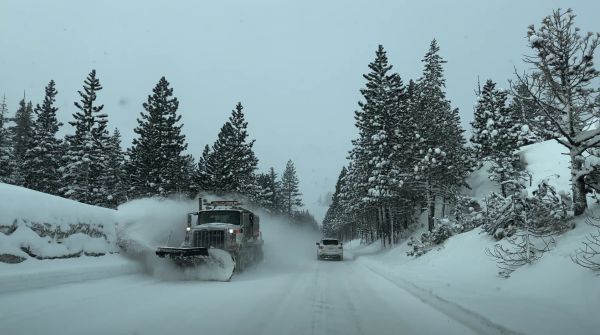
Halloween weekend brings a wet, windy storm to the Sierra Nevada. Our five-day forecast has Dodge Ridge on top with 19 in, followed by Bear Valley at 15 in and Mammoth Mountain at 12 in, with most of it landing on Saturday. A winter weather advisory covers the Tahoe Basin and Mono County until 7 AM Sunday, gusts could reach 47 mph and the freezing level swings between 4,900 and 8,700 ft, so some bases will see rain. A dry spell follows from Monday.
31 Oct 2026
Lake Louise Opens Early on 1 November With Juniper Express and Easy Street
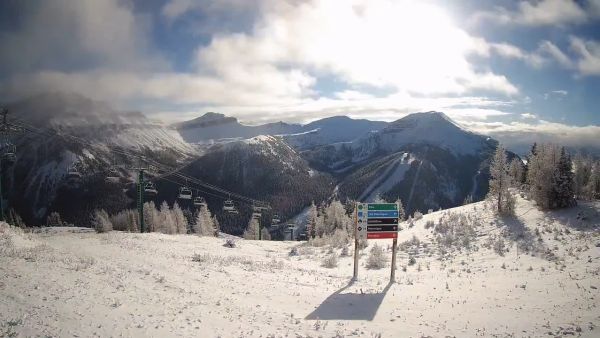
The Rockies get their first lift-served turns of the season early. Lake Louise opens Sunday 1 November, five days ahead of schedule, after a cold October and round-the-clock work from the snowmaking and mountain crews. Terrain is limited to Juniper Express Chair and Easy Street, with two small terrain parks and the beginner area for lessons. Opening-day tickets are over 60% off, with prices rising as more lifts open. First chair is at 9:30 am under the resort’s new lift hours.
31 Oct 2026
Kitzbüheler Horn Summit Cable Car to Be Replaced After 70 Years
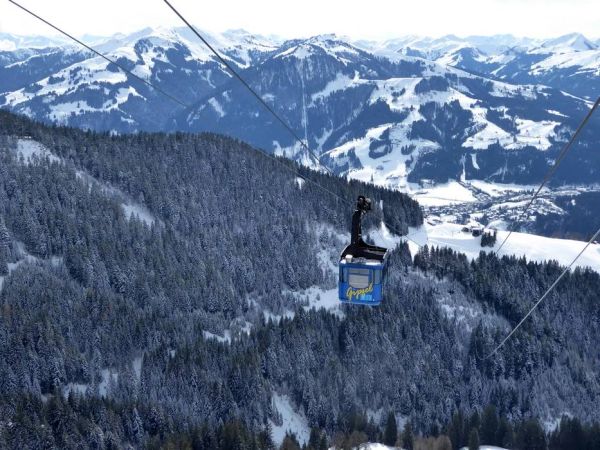
A Tyrolean summit lift that has been carrying guests up the Kitzbüheler Horn since 1955 is on borrowed time. Its licence runs to 2045, but a new inspection rule has made refurbishment uneconomic, so Bergbahn AG Kitzbühel will spend around €15 million on a replacement on the same line. It should hold roughly 100 people and keep running in winds that would stop today’s lift. Building starts in autumn 2027, which makes this winter and next summer the last chances to ride the old one.
30 Oct 2026
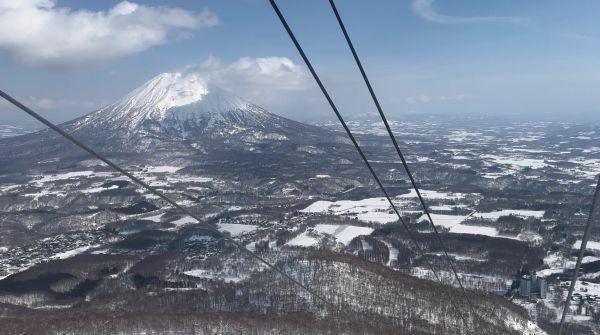
What’s New in Japan Skiing This Winter: Niseko Gondola, a Private Resort and a Bigger Ikon Pass
Niseko Village is replacing a lift from the early 1980s with an eight-person gondola, Tsugaike gets a six-person chairlift, Madarao joins the Ikon Pass and Togari opens Asia’s first private ski resort. Here’s what is actually new in Japan skiing for 2026/27, plus what is still a year or two away.
30 Oct 2026
Wolf Creek Opens on Halloween Weekend as Colorado’s Early Season Gathers Pace
Colorado’s early-season dominoes keep falling. Arapahoe Basin opened on Wednesday, Keystone follows on Friday, and now Wolf Creek is joining in on Saturday 31 October, just in time for Halloween. A storm on 23 and 24 October left 20 inches of natural snow in the San Juans, and three lifts will turn from 9:00 am, covering about 30% of the mountain. Expect rocks, unmarked obstacles and open water, but also Local Appreciation lift tickets at $73 for adults.
30 Oct 2026
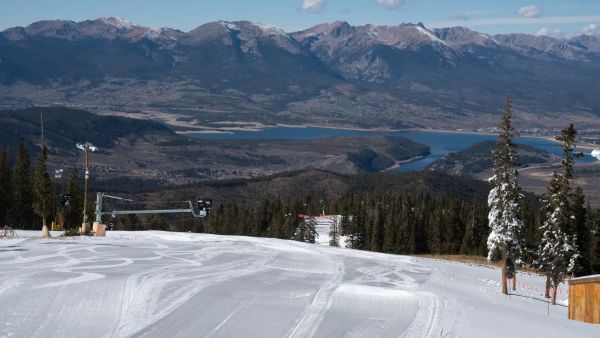
Keystone Resort Opens for 2026/27 With More Than Two Miles of Skiing
Keystone is next. After Arapahoe Basin claimed the first chairlift skiing of the season on Wednesday, Keystone opens on Friday 30 October at 9:00 am with more than two miles of snowmaking-built terrain on Schoolmarm and Silver Spoon, plus free donuts, coffee and a live DJ. Last year the order was reversed, when Keystone squeezed in a three-hour afternoon session to beat A-Basin by a day. Snowmaking has been running since 15 October.
29 Oct 2026
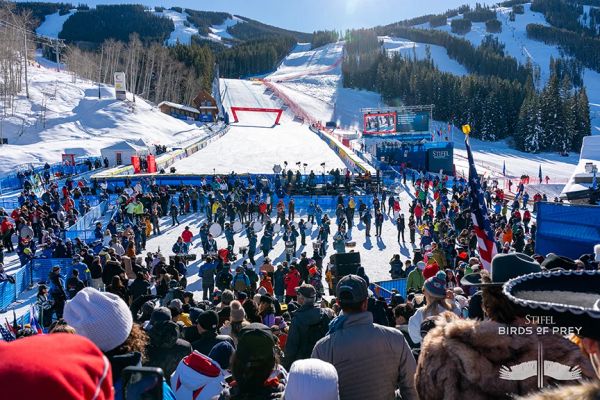
Beaver Creek Installs 16 Automated Snow Guns on Birds of Prey Ahead of Record World Cup
Beaver Creek is getting ready for the biggest Birds of Prey ever, and this time it is not leaving the snow to chance. Crews started making snow on 27 October with 16 newly installed automated guns on the lower third of the course, after last December’s warm spell forced a downhill off the schedule. Seven races across two weekends run from 3 to 13 December, the most the course has hosted since its 1997 debut, and the guns start themselves whenever the weather allows.
29 Oct 2026
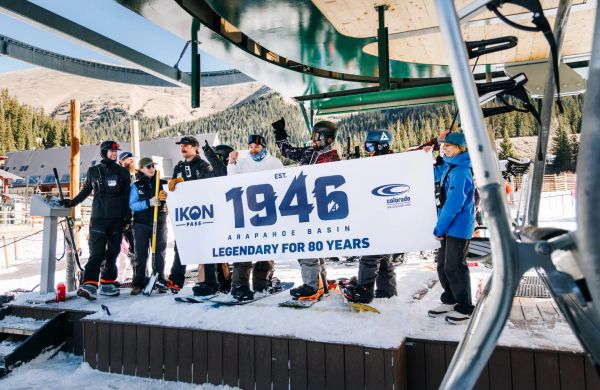
Arapahoe Basin Opens First for North America’s 2026/27 Ski Season
Winter has officially started in North America, and it is one blue run long. On Wednesday 28 October, Arapahoe Basin fired up the Black Mountain Express at around 10:30 am after a surprise announcement just hours earlier, becoming the first major North American resort open for 2026/27. Cold nights, a dusting of natural snow and a lot of snowmaking made it happen in the resort’s 80th winter. More terrain is promised as the snow guns keep running.
28 Oct 2026
Tamarack Resort Trail Map
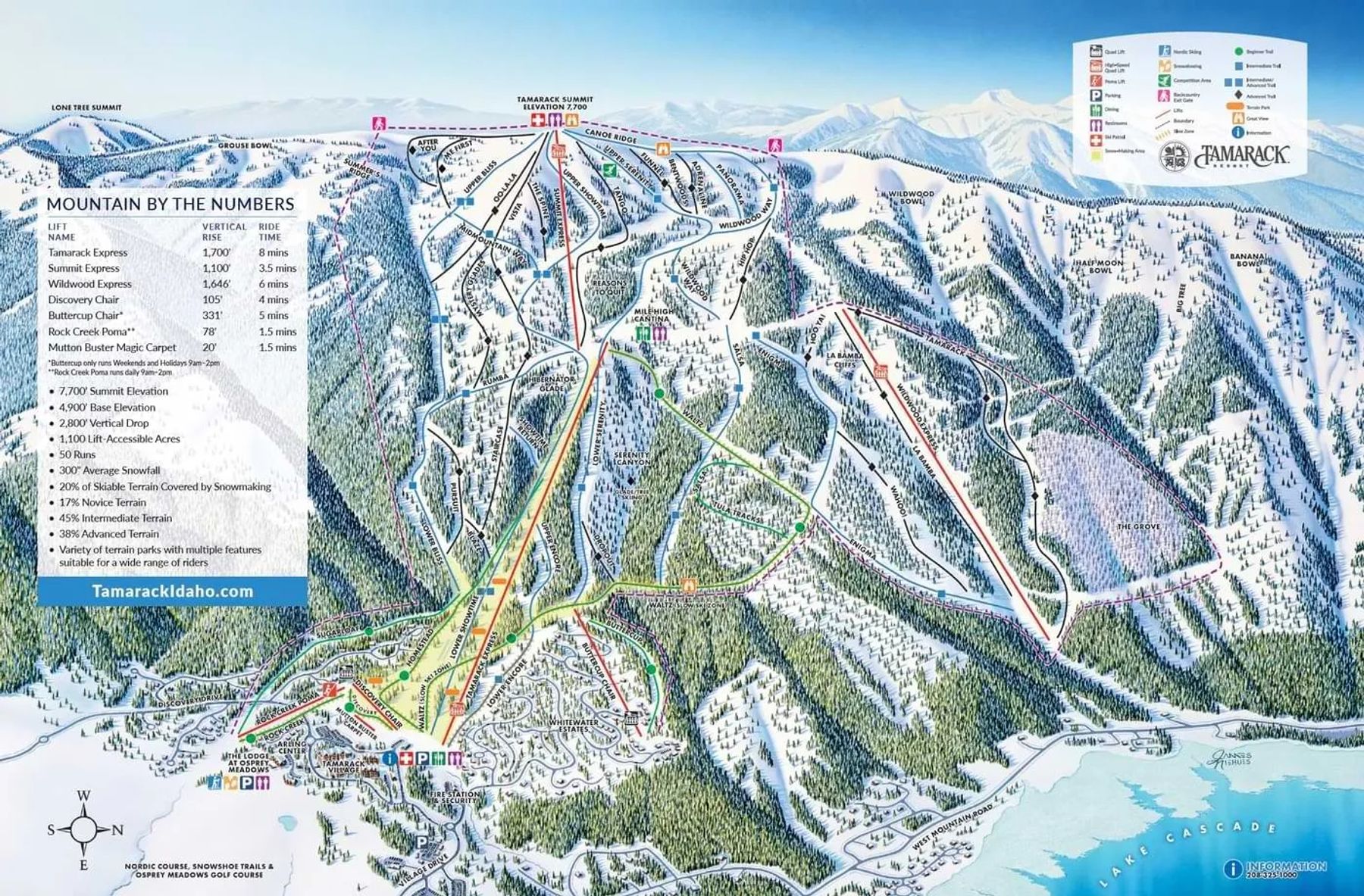
Downloadable Tamarack Resort trail map
Terrain split
50
runs
Beginner17%
Intermediate45%
Advanced38%
Expert0%
1,100 acres skiable445 hectares
Resort Stats
Elevation
Base4,898ft
Summit7,700ft
Annual snowfall
300in
Season
2026 - 2027
27 Oct 2026 - 11 Apr 2027
Trail coverage
50 runs
1,100 acres (445 ha)
About Tamarack Resort's trail map
Explore Tamarack Resort's full trail map with 50 runs across the mountain, colour-coded by difficulty and shown alongside the terrain split. Use it to plan a day that matches your ability, find lift-served pockets of your favourite grade, and see how the resort links together. Download the piste map (PDF) ↗
More Tamarack Resort intelligence: snow report, lift system, webcams, resort overview.