
The Overview
Michael Fulton
Melbourne-based skier and snowboarder with 50+ resorts across 5 continents. Specialises in Australian resorts and international resort comparisons.
Big Sky's summit reaches 11,165 feet, dropping 4,364 vertical feet to a base at 6,801 feet across 317 runs spread over 5,850 acres in Montana. Terrain splits 35 per cent advanced, 25 per cent intermediate, 22 per cent beginner and 18 per cent expert, with average annual snowfall of roughly 400 inches. The resort carries Ikon Pass and Mountain Collective access and markets itself as America's biggest skiing by acreage. Forty lifts, including an aerial tram, a gondola, seven quad chairs and nine triple chairs, serve the mountain alongside five double chairs, an eight-person chair, three six-person chairs, eight surface lifts and five t-bars.
Big Sky's 4,364-foot vertical drop and vast 5,850-acre terrain footprint place it among the largest ski resorts in North America, with the Lone Peak Tram providing access to some of the most dramatic expert terrain in the country. Its Ikon Pass and Mountain Collective access has transformed the resort from a Montana curiosity into a genuine national destination. The sheer scale of the lift network, forty lifts across the combined terrain, reflects decades of expansion since the resort's modest 1970s origins.
Big Sky was founded by Montana native Chet Huntley, the recently retired co-anchor of NBC's Huntley-Brinkley Report, who returned to his home state to develop the resort after leaving broadcasting. Big Sky opened for its first winter season in 1973, but Huntley died of lung cancer on 20 March 1974, just three days before the resort's official dedication. Ski industry pioneer Everett Kircher, owner of Michigan-based Boyne Resorts, purchased Big Sky in 1976 for 8.5 million US dollars.
The resort's most significant recent expansion came in October 2013, when Boyne Resorts purchased neighbouring Moonlight Basin, including the terrain of Spanish Peaks, bringing the combined resort's total acreage to more than 5,850 acres. Adult daily tickets run from 98 to 222 US dollars using dynamic pricing, reflecting Big Sky's position as one of the premier destination resorts in the American West.
4,364ft
Vertical
317
Runs
5,850 acres
Skiable
33ft
Annual snow
Ikon / Mountain Collective
Pass
The Terrain
317 runs across 5,850 acres skiable
Big Sky spreads 5,850 acres (2,367 hectares) of lift-served terrain across 317 runs, making it one of the largest ski areas in the United States. The mountain climbs from 6,800 ft (2,073 m) to 11,170 ft (3,403 m) at the top of Lone Peak, a vertical drop of 4,360 ft (1,330 m). The split is 22% beginner, 25% intermediate, 35% advanced and 18% expert, so it tilts towards confident skiers. Average snowfall is around 400 inches a year, and the lift network ranges from a gondola and eight-person chair to the aerial tram, 40 lifts in all.
The Lone Peak Tram opens the steepest ground, including the Big Couloir, which requires a partner, avalanche gear and a signed waiver at the top. Dakota Territory adds about 212 acres of black diamond glades, chutes and high bowls beside Liberty Bowl, while Challenger is a favourite for consistent expert tree skiing. Wide groomed runs on the lower mountain and Moonlight Basin side keep green circle and blue square skiers busy. Big Sky suits advanced and expert riders wanting size and steeps, plus strong intermediates and families who will happily chase groomers all day. Ikon and Mountain Collective passes both cover it.
Terrain split
317
runs
317 runs across 4 grades
Beginner70 runs · 22%
Intermediate79 runs · 25%
Advanced111 runs · 35%
Expert57 runs · 18%
Time it right
When to visit Big Sky
The 2025-26 season at Big Sky ran from 28 November 2025 to 27 April 2026, a roughly twenty-two-week season supported by average annual snowfall of around 400 inches. This substantial snowfall, combined with the resort's enormous 5,850-acre footprint, supports reliable conditions across a genuinely vast range of terrain throughout the season. Season dates can shift slightly depending on early and late-season weather.
Midwinter, from December through February, typically brings the most consistent conditions across Big Sky's varied terrain, from beginner slopes to the extreme runs accessed via the Lone Peak Tram. As an Ikon Pass and Mountain Collective destination, the resort draws substantial national and international visitor traffic, with holiday periods bringing the heaviest crowds, though the sheer scale of the terrain helps disperse visitors more effectively than at smaller resorts.
The resort's identity as America's biggest skiing by acreage continues to shape its marketing and visitor expectations each season. Boyne Resorts' ownership since 1976, and the transformative 2013 Moonlight Basin acquisition, have together built Big Sky into one of the premier destination resorts in the American West. School holiday periods bring particularly strong demand given the resort's national visibility.
Specific event programming beyond standard operations is not confirmed in available resort information. Founder Chet Huntley's vision for the resort, realised only after his death just before its 1974 dedication, remains part of Big Sky's founding story referenced throughout its history. The resort's combination of vast scale and extreme terrain continues to define its position among North America's leading ski destinations each season.
Season 2026 - 2027
25 Nov 2026
Opens
25 Apr 2027
Closes
151
Days open
33 ft
Annual snow
Getting there
Getting to Big Sky, and where to stay
Big Sky sits in southwestern Montana, with a base elevation of 6,801 feet and a summit at 11,165 feet across a 4,364-foot vertical drop over 5,850 acres. This puts the resort within reach of Yellowstone National Park and the broader Greater Yellowstone ecosystem, one of the most scenic settings of any major North American ski resort.
The town of Big Sky, developed largely around the resort, provides extensive lodging, dining and services close to the mountain, while Bozeman, roughly 45 minutes away, offers a larger regional city with its own airport and amenities. Yellowstone National Park's northern entrances lie within a reasonable drive, giving visitors an additional draw beyond skiing during shoulder seasons.
US Highway 191 connects Bozeman to Big Sky, providing the main route for visitors approaching from the north. Winter driving conditions on this route can include snow and ice, though it is well maintained given the resort's status as a major destination. Local shuttle and transit options within the Big Sky area reduce the need for a vehicle once visitors arrive.
Bozeman Yellowstone International Airport, roughly 45 minutes from the resort, offers direct flights from numerous major US cities, making Big Sky one of the more air-accessible destination resorts in the Rocky Mountain West. This convenient combination of a major airport and a relatively short drive has supported the resort's growth into a genuine national and international ski destination.
Where to stay
Search all stays →Hotels and lodges near Big Sky, powered by Stay22.
Latest News
From the SnowStash desk
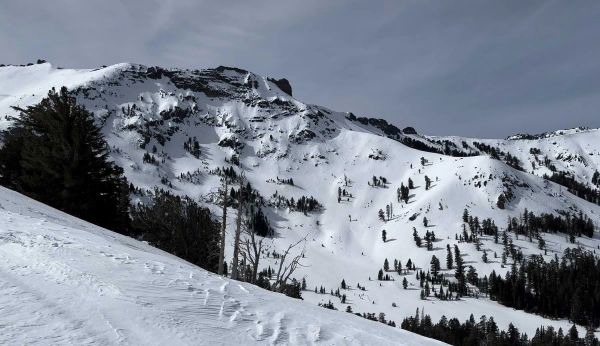
California Ski Resort Opening Dates 2026-27: Mammoth Leads, Tahoe Follows
Mammoth Mountain is first up in California, targeting Friday 13 November after a dusting of September snow. Heavenly and Northstar follow on 20 November, Palisades Tahoe on Wednesday 25 November and Sugar Bowl on 27 November, with Kirkwood on 4 December and June Mountain on 19 December. Plenty of smaller areas have no date yet. A super El Niño favours the Sierra, but a warmer storm track is the catch.
7 Oct 2026
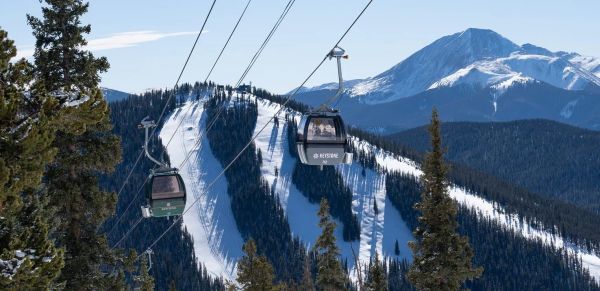
Colorado Ski Resort Opening Dates 2026-27: A-Basin and Keystone Race to Be First
Arapahoe Basin, Keystone and Winter Park are all chasing an October start, though none has a firm date yet. The first dated openers are Breckenridge and Copper on Friday 6 November, then Vail on 13 November, with most of the rest bunched around US Thanksgiving. Hesperus did not open at all last season. A super El Niño offers hope but no guarantee, and forecasters say the southern mountains have the better odds.
5 Oct 2026
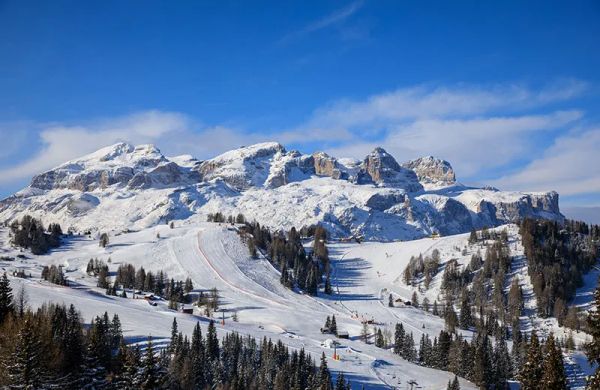
Dolomiti Superski 2026-27: Four New Gondolas, New Reservoirs and an €89 Peak Day Pass
Dolomiti Superski is spending around €100 million across its 12 areas before winter. Kronplatz gets a new 10-passenger gondola with a middle station, 3 Zinnen gets Helmissimo, and Val di Fassa swaps a chairlift for a gondola above Col Valvacin. New water-storage basins and upgraded snowmaking follow, and construction has started on the San Martino to Passo Rolle link. A peak adult day pass is €89.
4 Oct 2026
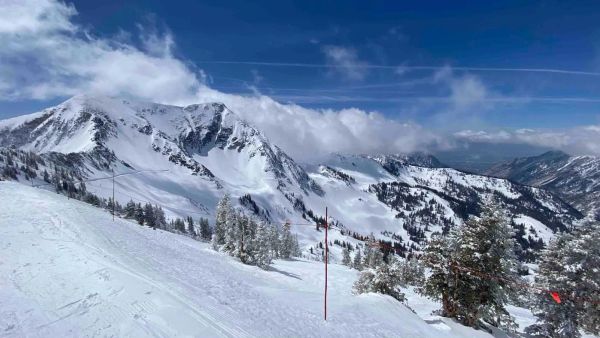
Utah Ski Resort Opening Dates 2026-27: Brian Head First, Eagle Point Out
Brian Head is targeting 6 November, though last year it aimed for 7 November and did not open until the 25th. Park City, Alta and Solitude are pencilled in for 20 November, Snowbird and Snowbasin for 27 November, and Deer Valley for 5 December. Eagle Point will stay closed after the Cottonwood Fire. A super El Niño is forecast, but the big snow is not expected until January.
4 Oct 2026
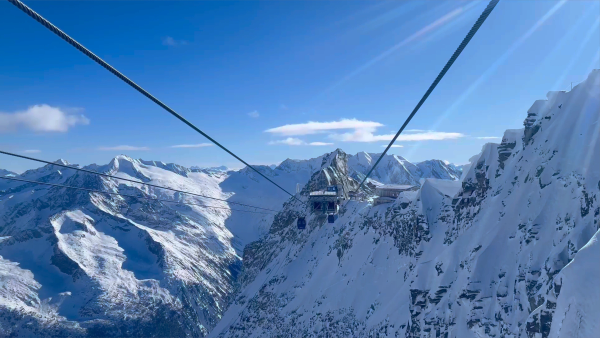
Hintertux Glacier Opens for 2026-27 With 12 Kilometres of Piste
Hintertux became Austria's second glacier to open for 2026-27 on Friday 2 October, after the Pitztal Glacier. Twelve kilometres of piste are running around the Olperer and Gefrorene Wand, served by one gondola and two drag lifts, with the Betterpark also open. Lifts officially run 8:15 am to 4:30 pm, but skiing stops at 2 pm for now.
4 Oct 2026
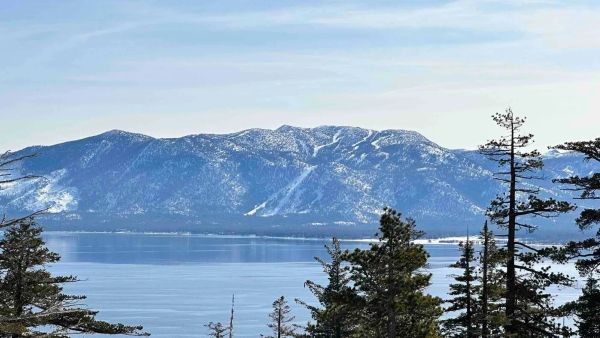
Vail Resorts Counts the Cost of a Thin Winter as Pass Sales Slide Further
A historically poor western winter cut Vail Resorts' annual net income from $280 million to $147.5 million and skier visits by 13.4 per cent. Now 2026-27 pass units are down 12 per cent as of 18 September, worse than the 10 per cent flagged in spring. Vail blames the weather and thinks some buyers are simply waiting, and it forecasts a rebound if the snow behaves.
3 Oct 2026
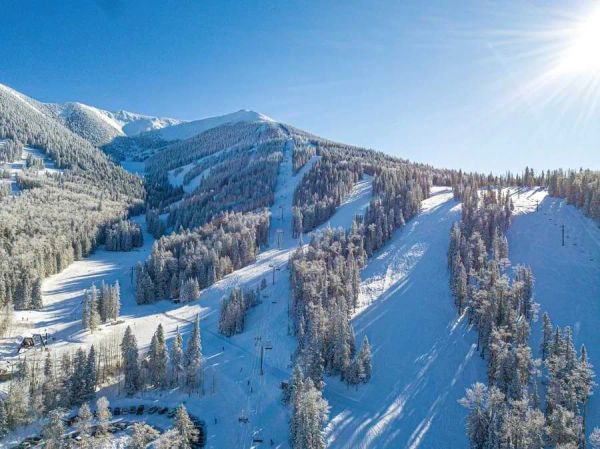
Arizona Snowbowl's $1 Lift Tickets Are Hard to Find, but $9 Days Are Not
Arizona Snowbowl advertised eight $1 lift ticket days this winter. Go looking and only three are showing - 10 March, 1 April and 10 April - so the rest may already have gone. The consolation is a calendar full of $9 days, including all but one day in April. Opening day is 20 November, weather permitting, and opening weekend is $19.
2 Oct 2026
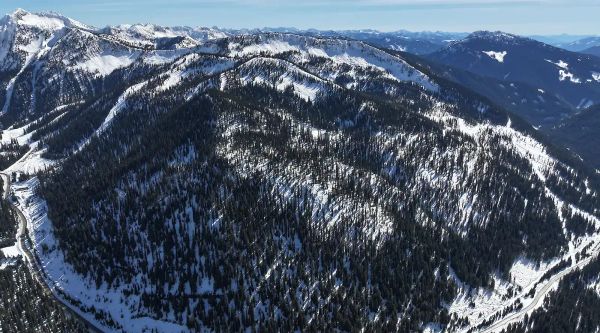
Whitewater Brings Its Short Side Inbounds, With Six New Runs for 2026-27
For years, Whitewater's Short Side was where you ducked a rope and hoped for the best: unmapped, ungroomed and unpatrolled. This winter it's inbounds. Six new runs of glades and fall-line skiing add 190 acres (about 77 hectares), taking the resort past 1,400 acres in total. F2 Logging spent a month in the trees to make it happen, and opening day is pencilled in for 4 December. Bonanza now needs less snow to groom, too.
1 Oct 2026