
Mountain Creek
46 runs, 1,040ft vertical, 167 acres 47 miles from NYC. Night skiing, gondola access in New Jersey.
Season 2026 - 2027
Opens
5 Dec 2026
Closes
21 Mar 2027
Days open
106
Annual snow
5ft
The Overview
Michael Fulton
Melbourne-based skier and snowboarder with 50+ resorts across 5 continents. Specialises in Australian resorts and international resort comparisons.
Mountain Creek's summit reaches 1,480 feet, dropping 1,040 vertical feet to a base at 440 feet across 46 runs spread over 167 acres in Vernon Township, New Jersey. Terrain splits 46 per cent intermediate, 30 per cent advanced and 24 per cent beginner, with no expert-rated runs. Average annual snowfall is modest at roughly 65 inches, making the resort reliant on snowmaking for most of its season. Mountain Creek carries no major multi-resort pass affiliation.
The resort's 1,040-foot vertical drop is unusually large for the New York metropolitan area, a legacy of its origins as three separate ski areas merged into one property. A gondola, the Cabriolet, added during Intrawest's late-1990s renovation, remains a distinctive feature for a resort this close to New York City. Night skiing extends access into evening hours, popular with commuters from northern New Jersey and the city. Eight lifts, including one gondola, one quad and other chairs, serve the 46-run network.
The resort traces its roots to 1965, when Great Gorge opened in McAfee, New Jersey, followed by Vernon Valley Ski Resort in 1968; the two merged into Vernon Valley/Great Gorge in 1974 under Great American Recreation, which also built the adjacent Action Park. Great American Recreation went bankrupt in 1995, and Intrawest bought the ski area and Action Park site in 1998 for 40 million US dollars, renaming it Mountain Creek and rebuilding much of the lift network. When Intrawest divested assets in 2010, a group led by Eugene Mulvihill, the former Great American Recreation owner, purchased Mountain Creek alongside the adjacent Crystal Springs Resort.
With no major pass affiliation, Mountain Creek sells its own day tickets and season passes directly rather than through a shared network. Adult day tickets range from 89 to 119 US dollars depending on date, with night skiing available at a reduced rate and a season pass, the Snow All Access Pass, priced at 599 dollars. The resort suits New York City and northern New Jersey skiers seeking the closest major ski area to Manhattan, roughly 47 miles away. Its history of ownership turnover, from Great American Recreation through Intrawest to the current Mulvihill-led group, reflects the volatile economics of running a ski area this close to a major metropolitan market.
1,040ft
Vertical
46
Runs
167 acres
Skiable
5ft
Annual snow
The Terrain
46 runs across 167 acres skiable
Mountain Creek sits in Vernon Township in northern New Jersey, covering 167 acres (68 hectares) with a vertical of 1,040 ft (317 m). The base is at 440 ft (134 m) and the summit at 1,480 ft (451 m). Its 46 runs split 24% beginner, 46% intermediate and 30% advanced, with no expert-rated terrain. Lifts include the Cabriolet gondola, four quad chairs, a triple, a double and a surface lift. For a resort roughly 47 miles from Manhattan, the drop is substantial, a handy fit for New York skiers wanting real vertical close to the city.
The terrain spreads over four peaks. Vernon Peak holds the Red Tail Lodge, the Cabriolet and easier trails such as Sugar Slope and Horizon. South Peak is the freestyle zone, with terrain parks including South Peak Park and Boarderline Park, while Granite Peak serves advanced skiers on runs like Southpaw and Sidewinder, which catch the afternoon sun. Bear Peak completes the set. In summer, the Diablo bike park uses the same lifts. Mountain Creek suits intermediates, freestyle riders and city skiers wanting plenty of variety close to home.
Terrain split
46
runs
46 runs across 4 grades
Beginner11 runs · 24%
Intermediate21 runs · 46%
Advanced14 runs · 30%
Expert0 runs · 0%
Time it right
When to visit Mountain Creek
The 2025-26 season at Mountain Creek ran from 7 December 2025 to 13 April 2026, a roughly nineteen-week window supported heavily by snowmaking rather than natural snowfall. The resort's proximity to the New York metropolitan area makes season length and reliability commercially important, driving investment in artificial snow production. Season dates can shift based on early and late-season temperatures suitable for snowmaking. This is a comparatively long season for a resort with modest natural snowfall.
Average annual snowfall of roughly 65 inches is low relative to higher-elevation Northeast resorts, meaning Mountain Creek depends on snowmaking for the great majority of its season-long conditions. This makes temperature, rather than storm cycles, the key variable in the resort's operating reliability. Base depth is maintained through snowmaking rather than tracked as natural accumulation. The resort's proximity to a major population centre makes consistent machine-made conditions commercially essential.
Midwinter, from late December through February, typically offers the most reliable conditions once snowmaking has established a consistent base. Night skiing sessions extend the useful hours of each day, particularly popular with weekday commuters from New York and northern New Jersey. Weekend crowds are generally heavier than weekdays, given the resort's role serving a massive nearby metropolitan population. Late-season visits into April can be inconsistent as temperatures warm.
Mountain Creek's season calendar centres on serving its metropolitan-area customer base through extensive night skiing and session-based ticketing rather than festival programming. The resort's ownership history, including its time under Intrawest and the current Mulvihill-led group, has shaped operating priorities toward reliable, snowmaking-driven conditions. Specific events beyond standard operations are not documented in available resort information. As the closest major resort to New York City, the calendar leans toward maximising accessible operating hours over destination-style programming.
Season 2026 - 2027
5 Dec 2026
Opens
21 Mar 2027
Closes
106
Days open
5 ft
Annual snow
Getting there
Getting to Mountain Creek, and where to stay
Mountain Creek sits in Vernon Township, New Jersey, with a base elevation of 440 feet and a summit at 1,480 feet across a 1,040-foot vertical drop over 167 acres. This is the Highlands region of northern New Jersey rather than a true mountain range, though the vertical drop is unusually large for the area. The resort's origins as three merged ski areas, Great Gorge and the two Vernon Valley areas, still shape its layout. Vernon Township itself is a small rural municipality rather than a resort town.
New York City lies roughly 47 miles southeast, making Mountain Creek the closest major ski area to Manhattan. Northern New Jersey towns provide closer, smaller service centres than the city itself. The region carries a rural, exurban character despite its proximity to one of the world's largest metropolitan areas. The adjacent Crystal Springs Resort, under related ownership, adds golf and additional lodging to the area.
State Route 94 and other local roads connect Mountain Creek to the broader northern New Jersey highway network, including Interstate 80 and Route 23. The drive from New York City typically takes 60 to 90 minutes depending on traffic and conditions. Winter driving in the region can include snow and ice, though the route is well-travelled and generally well-maintained given traffic volumes. No direct rail service reaches the resort, though some visitors arrive via bus services from the city.
Newark Liberty International Airport is the nearest major airport with extensive commercial service, roughly an hour's drive from Mountain Creek. John F. Kennedy and LaGuardia airports in New York City offer further options for international and domestic visitors respectively. Stewart International Airport in the Hudson Valley provides a smaller alternative. Most visitors reach Mountain Creek by car directly from the New York metropolitan area rather than flying into a specific regional airport.
Where to stay
Search all stays →Hotels and lodges near Mountain Creek, powered by Stay22.
Latest News
From the SnowStash desk
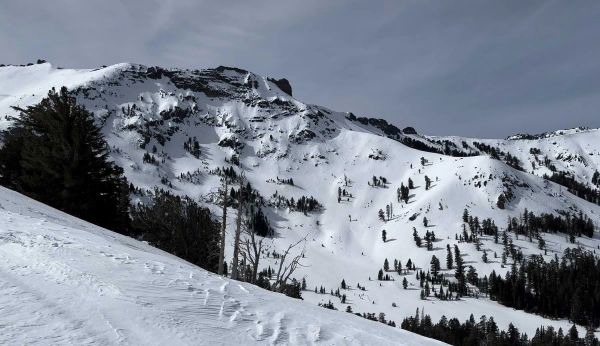
California Ski Resort Opening Dates 2026-27: Mammoth Leads, Tahoe Follows
Mammoth Mountain is first up in California, targeting Friday 13 November after a dusting of September snow. Heavenly and Northstar follow on 20 November, Palisades Tahoe on Wednesday 25 November and Sugar Bowl on 27 November, with Kirkwood on 4 December and June Mountain on 19 December. Plenty of smaller areas have no date yet. A super El Niño favours the Sierra, but a warmer storm track is the catch.
7 Oct 2026
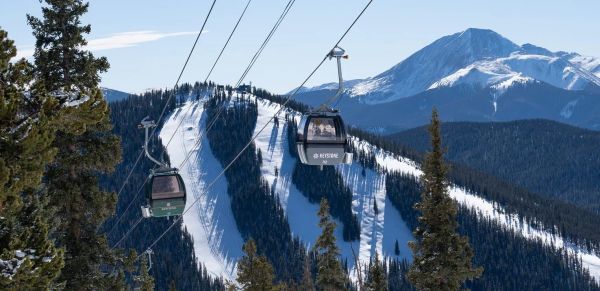
Colorado Ski Resort Opening Dates 2026-27: A-Basin and Keystone Race to Be First
Arapahoe Basin, Keystone and Winter Park are all chasing an October start, though none has a firm date yet. The first dated openers are Breckenridge and Copper on Friday 6 November, then Vail on 13 November, with most of the rest bunched around US Thanksgiving. Hesperus did not open at all last season. A super El Niño offers hope but no guarantee, and forecasters say the southern mountains have the better odds.
5 Oct 2026
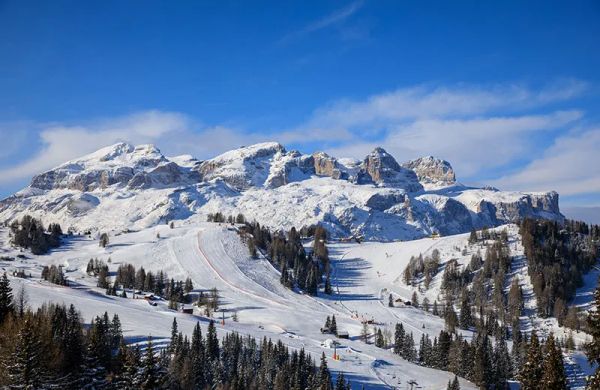
Dolomiti Superski 2026-27: Four New Gondolas, New Reservoirs and an €89 Peak Day Pass
Dolomiti Superski is spending around €100 million across its 12 areas before winter. Kronplatz gets a new 10-passenger gondola with a middle station, 3 Zinnen gets Helmissimo, and Val di Fassa swaps a chairlift for a gondola above Col Valvacin. New water-storage basins and upgraded snowmaking follow, and construction has started on the San Martino to Passo Rolle link. A peak adult day pass is €89.
4 Oct 2026
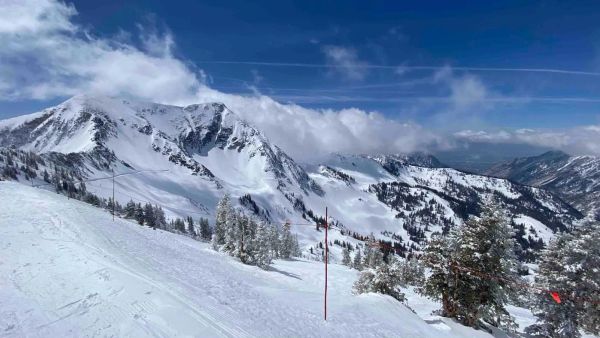
Utah Ski Resort Opening Dates 2026-27: Brian Head First, Eagle Point Out
Brian Head is targeting 6 November, though last year it aimed for 7 November and did not open until the 25th. Park City, Alta and Solitude are pencilled in for 20 November, Snowbird and Snowbasin for 27 November, and Deer Valley for 5 December. Eagle Point will stay closed after the Cottonwood Fire. A super El Niño is forecast, but the big snow is not expected until January.
4 Oct 2026
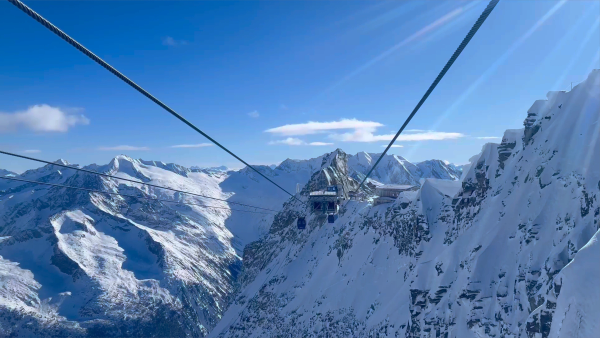
Hintertux Glacier Opens for 2026-27 With 12 Kilometres of Piste
Hintertux became Austria's second glacier to open for 2026-27 on Friday 2 October, after the Pitztal Glacier. Twelve kilometres of piste are running around the Olperer and Gefrorene Wand, served by one gondola and two drag lifts, with the Betterpark also open. Lifts officially run 8:15 am to 4:30 pm, but skiing stops at 2 pm for now.
4 Oct 2026
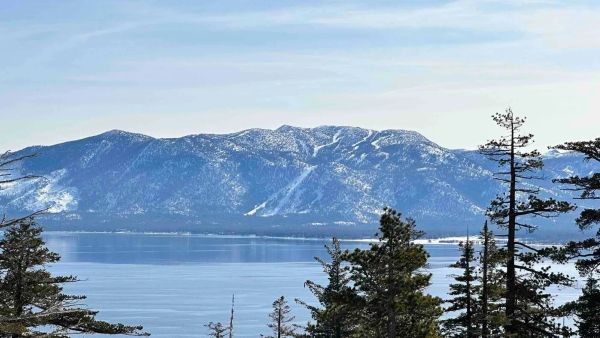
Vail Resorts Counts the Cost of a Thin Winter as Pass Sales Slide Further
A historically poor western winter cut Vail Resorts' annual net income from $280 million to $147.5 million and skier visits by 13.4 per cent. Now 2026-27 pass units are down 12 per cent as of 18 September, worse than the 10 per cent flagged in spring. Vail blames the weather and thinks some buyers are simply waiting, and it forecasts a rebound if the snow behaves.
3 Oct 2026
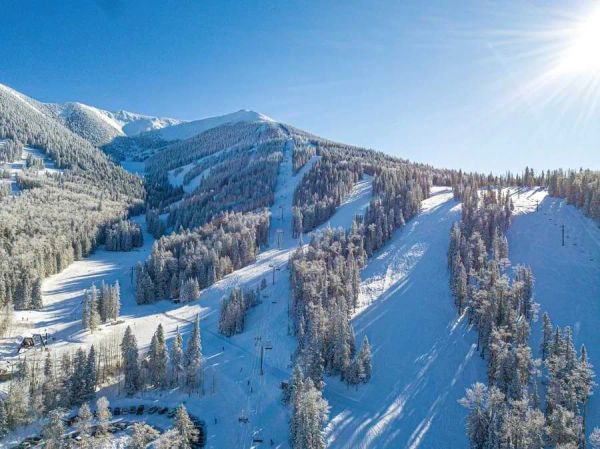
Arizona Snowbowl's $1 Lift Tickets Are Hard to Find, but $9 Days Are Not
Arizona Snowbowl advertised eight $1 lift ticket days this winter. Go looking and only three are showing - 10 March, 1 April and 10 April - so the rest may already have gone. The consolation is a calendar full of $9 days, including all but one day in April. Opening day is 20 November, weather permitting, and opening weekend is $19.
2 Oct 2026
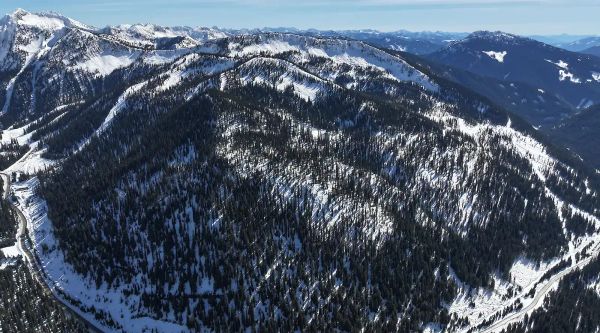
Whitewater Brings Its Short Side Inbounds, With Six New Runs for 2026-27
For years, Whitewater's Short Side was where you ducked a rope and hoped for the best: unmapped, ungroomed and unpatrolled. This winter it's inbounds. Six new runs of glades and fall-line skiing add 190 acres (about 77 hectares), taking the resort past 1,400 acres in total. F2 Logging spent a month in the trees to make it happen, and opening day is pencilled in for 4 December. Bonanza now needs less snow to groom, too.
1 Oct 2026