The Overview
Michael Fulton
Melbourne-based skier and snowboarder with 50+ resorts across 5 continents. Specialises in Australian resorts and international resort comparisons.
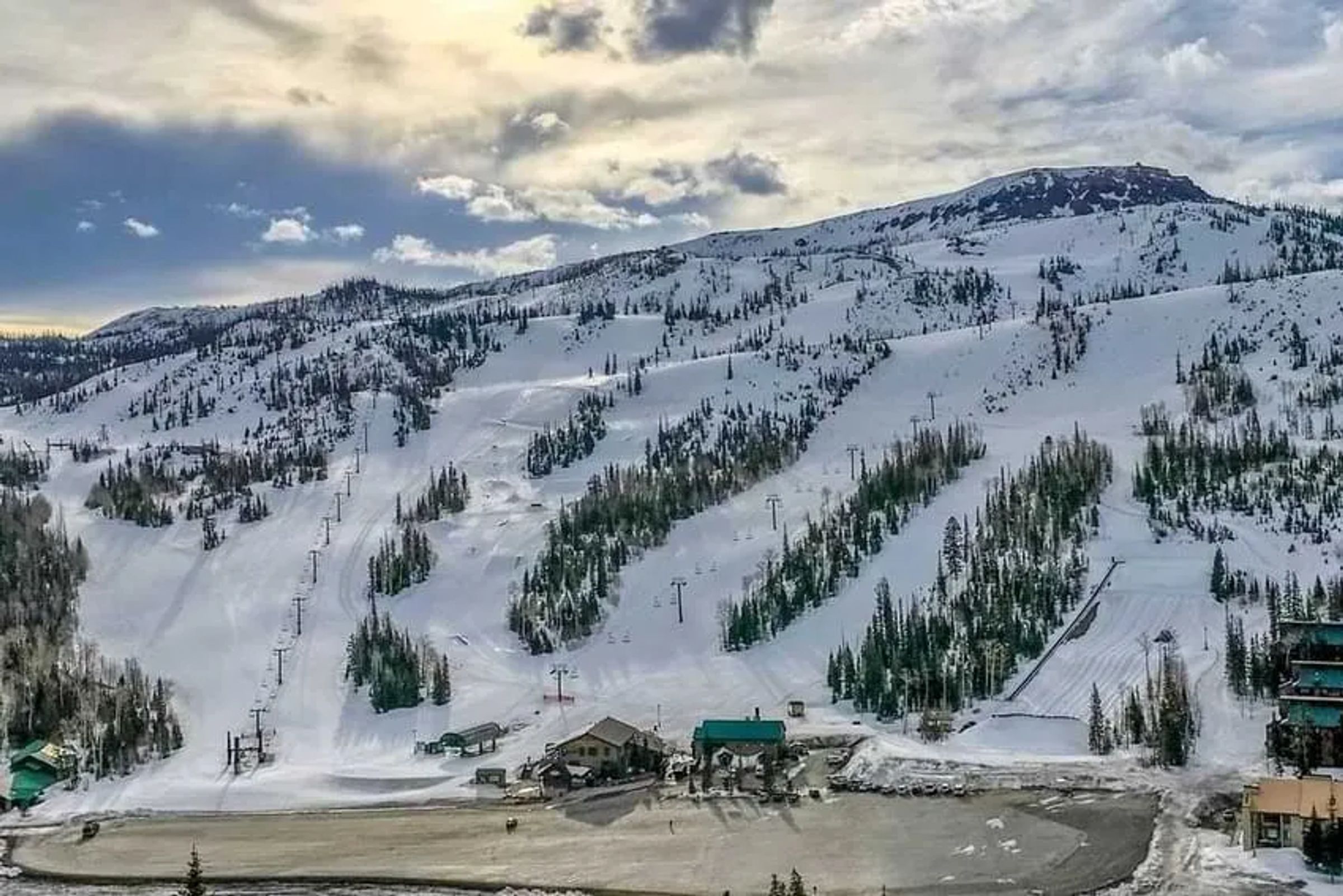
Brian Head operates across 650 acres with 71 runs and a vertical drop of 402 metres, spanning elevations from 2,926 to 3,343 metres. The resort holds Utah's highest base elevation at 2,926 metres and receives 9.1 metres of annual snowfall. Children aged 12 and under ski free, whilst lift tickets start from $19 on select dates through dynamic pricing.
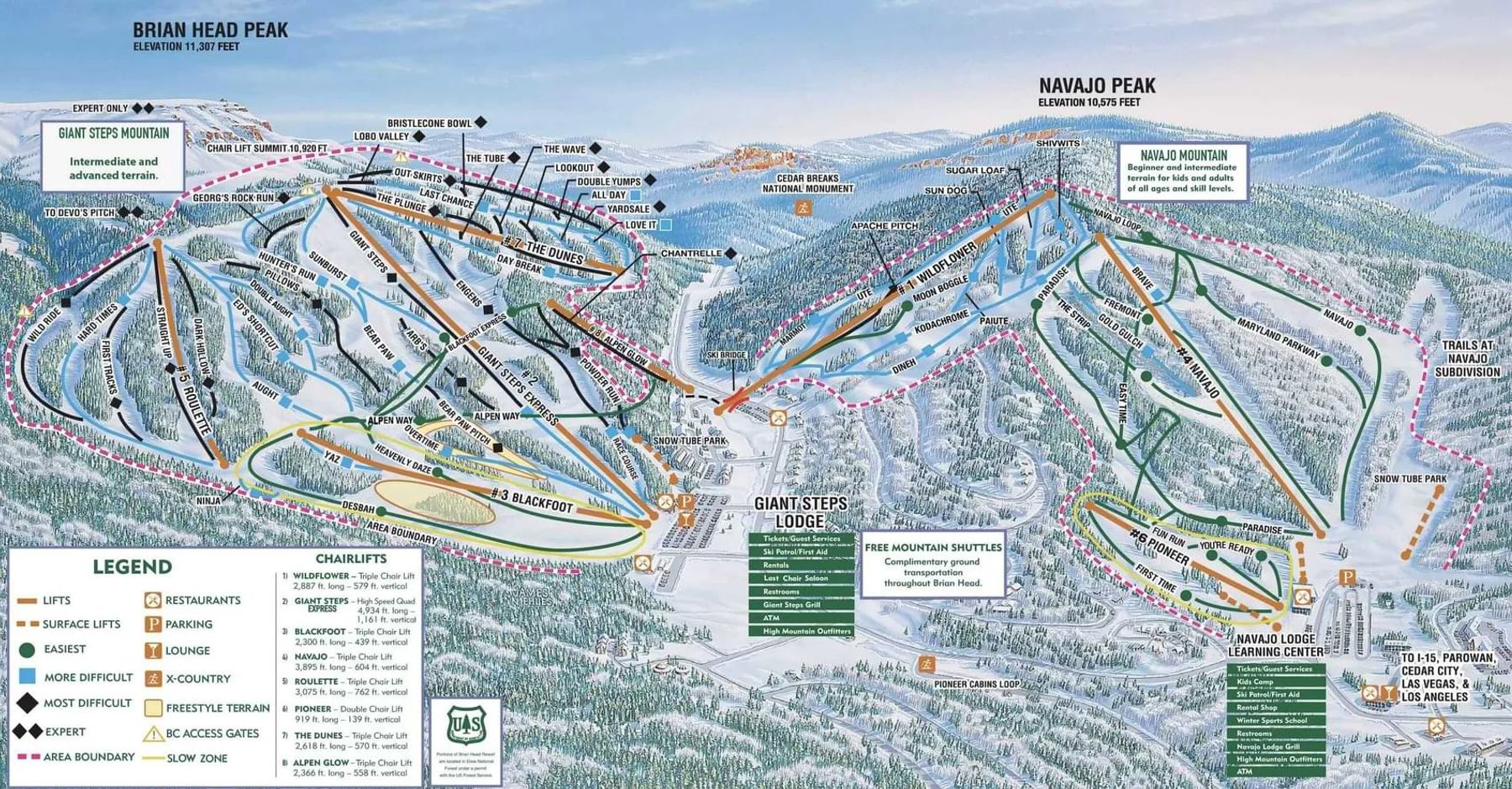
Terrain splits 30% beginner, 35% intermediate, 32% advanced and 3% expert across two interconnected peaks, Navajo and Brian Head. Navajo Peak serves beginners and intermediates with gentle groomers accessed by the Navajo Express quad, whilst Brian Head Peak delivers steeper terrain off lifts including Roulette, The Dunes and Giant Steps Express. A ski bridge crosses Highway 143 to link the two areas. Runs like Engens and Georg's Rock provide challenge for confident skiers, though the resort suits families and progressing intermediates more than experts seeking steep terrain.
The base elevation creates cold, dry conditions that preserve powder quality days after storms, despite lower snowfall than northern Utah resorts. Two base lodges serve the mountain: Giant Steps Lodge on the main peak and Navajo Lodge on the learning zone. The Last Chair Saloon offers après atmosphere with live music most Saturdays during season. Uncrowded slopes define the Brian Head experience outside holiday periods, with minimal lift queues and fresh tracks available well after snowfalls.
Mountain Capital Partners acquired the resort in 2019. Power Pass season passes starting at $749 grant access to nine additional resorts across the Mountain Capital Partners network, including Nordic Valley and Lee Canyon. The 2025-26 season runs 7 November to 26 April. Brian Head appeals to families seeking affordable skiing, Las Vegas weekenders, and intermediates prioritising value and space over extreme terrain.
1,368ft
Vertical
71
Runs
650 acres
Skiable
29ft
Annual snow
The Terrain
71 runs across 650 acres skiable
Brian Head spreads 71 runs across 650 acres skiable of terrain. It leans intermediate at 35%, with 21 beginner runs to find your feet and 25 advanced or expert runs when you want to push.
Terrain split
71
runs
71 runs across 4 grades
Beginner21 runs · 30%
Intermediate25 runs · 35%
Advanced23 runs · 32%
Expert2 runs · 3%
Time it right
When to visit Brian Head
The 2025-26 season operates 7 November 2025 through 26 April 2026. Brian Head typically runs mid-November to mid-April, with the 2024-25 season achieving 181 operational days. Operating hours are 10am-4pm Monday-Friday and 9:30am-4:30pm weekends and holidays. Night skiing runs Friday-Saturday 4pm-9pm on the Blackfoot lift, expanding to seven days weekly during peak periods.
The resort averages 9.1 metres annual snowfall, with the 2,926-metre base elevation delivering cold, dry powder. Snowmaking covers 170 acres, concentrated on Navajo Mountain and key runs. February averages the heaviest snowfall with 1.35 metres, whilst December and January each deliver approximately 1.1 metres. Storms depositing over 12 centimetres occur 27 times annually on average. The high elevation preserves snow quality better than lower resorts, maintaining coverage into late April during strong seasons.
January and February offer peak powder conditions, though the uncrowded nature means untracked snow lingers days after storms. March delivers spring skiing with warmer temperatures and long sunny days. Weekday visits from December through March provide the best value and emptiest slopes. Holiday periods see increased traffic from Las Vegas and Southern California, particularly Christmas through New Year and Presidents Day weekend.
The resort hosts monthly Star Parties with Cedar Breaks National Monument rangers providing stargazing sessions with telescopes at Navajo Lodge. Summer operations run weekends mid-June through mid-October, offering chairlift-accessed mountain biking, disc golf, archery and tubing. Events include Fourth of July celebrations, classic rock festivals and car shows. Two terrain parks and tubing hills operate during winter, with tubing requiring advance reservations by calling 435-677-2035.
Season 2025 - 2026
7 Nov 2025
Opens
26 Apr 2026
Closes
170
Days open
29 ft
Annual snow
Getting there
Getting to Brian Head, and where to stay
Brian Head sits in the Dixie National Forest in southern Utah's Markagunt Plateau at 2,926 metres base elevation. The resort occupies a high desert mesa surrounded by red rock formations, pine forests and distant views toward Cedar Breaks National Monument. Utah Highway 143 climbs steeply through the small town of Brian Head, population 120, which spreads along the access road between the two base areas. Cedar Breaks National Monument lies 8 kilometres south, whilst red rock hoodoos visible from upper lifts create scenery unlike typical alpine resorts.
Cedar City sits 47 kilometres southwest via Highway 143, a 40-minute drive descending 1,220 vertical metres through switchbacks. The town offers additional lodging, dining and services 29 miles from the slopes. Parowan, 23 kilometres west on Interstate 15, provides the highway exit for mountain access. Bryce Canyon National Park lies 98 kilometres east (90 minutes), Zion National Park 117 kilometres southwest (90 minutes) and St George 135 kilometres southwest (90 minutes). The location enables combined ski and national park itineraries during winter when crowds thin.
Interstate 15 provides primary access, with Exit 75 at Parowan connecting to Highway 143 for the final 23-kilometre ascent. From Las Vegas, the drive runs 325 kilometres northeast (3 hours) via I-15. Salt Lake City sits 395 kilometres north (3.5 to 4 hours), also via I-15. The steep Highway 143 approach requires winter driving preparation; four-wheel drive or traction devices become mandatory during storms. Road conditions via UDOT should be checked before departure as the climb gains over 1,200 metres elevation.
Las Vegas Harry Reid International Airport lies 340 kilometres southwest (3 hours driving), offering the most flight options. Salt Lake City International Airport sits 403 kilometres north (4 hours). Cedar City Regional Airport, 53 kilometres away (35-45 minutes), provides limited Delta Connection service primarily linking Salt Lake City. St George Regional Airport, 129 kilometres distant (90 minutes), serves flights from Denver, Phoenix, Dallas-Fort Worth and Salt Lake City. The St George Shuttle and Brian Head Express Shuttle operate weekend service from Cedar City to the resort, whilst rental cars suit visitors combining skiing with regional exploration.
Where to stay
Search all stays →Hotels and lodges near Brian Head, powered by Stay22.
Latest News
From the SnowStash desk
Arizona Snowbowl's $1 Lift Tickets Are Hard to Find, but $9 Days Are Not
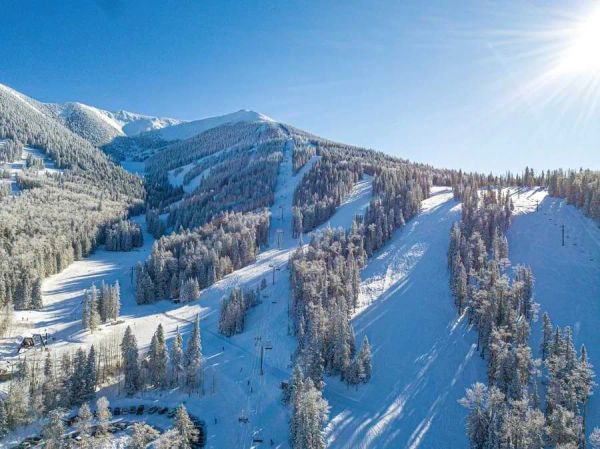
Arizona Snowbowl advertised eight $1 lift ticket days this winter. Go looking and only three are showing - 10 March, 1 April and 10 April - so the rest may already have gone. The consolation is a calendar full of $9 days, including all but one day in April. Opening day is 20 November, weather permitting, and opening weekend is $19.
2 Oct 2026
Whitewater Brings Its Short Side Inbounds, With Six New Runs for 2026-27
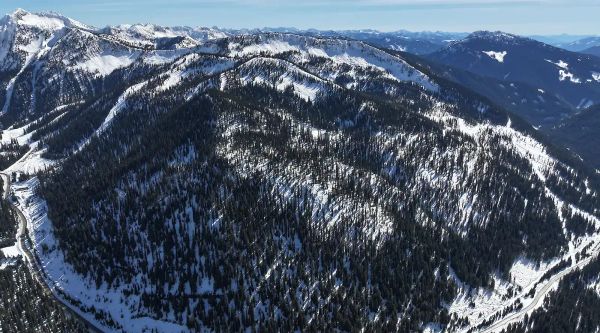
For years, Whitewater's Short Side was where you ducked a rope and hoped for the best: unmapped, ungroomed and unpatrolled. This winter it's inbounds. Six new runs of glades and fall-line skiing add 190 acres (about 77 hectares), taking the resort past 1,400 acres in total. F2 Logging spent a month in the trees to make it happen, and opening day is pencilled in for 4 December. Bonanza now needs less snow to groom, too.
1 Oct 2026
September Dusting Hits Mammoth Mountain Six Weeks Before Opening Day
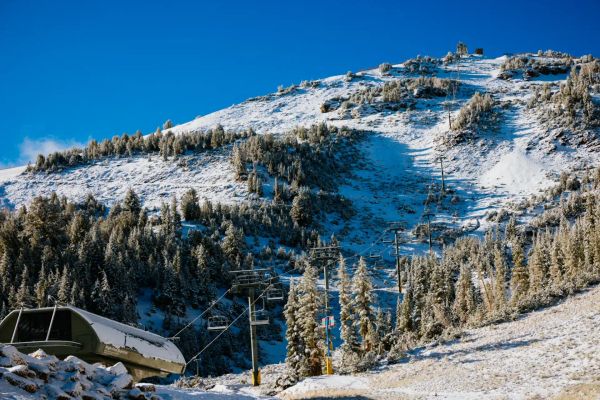
Mammoth got its first snow of 2026-27 on Monday 28 September - and promptly lost it by Tuesday morning. Barely an inch fell at McCoy Station, but with opening day pencilled in for Friday 13 November, it's the first sign the Sierra is waking up. Last year's date slipped from 14 November to 20 November, so nobody's booking flights on a dusting just yet. Here's where California's early openers stand.
1 Oct 2026
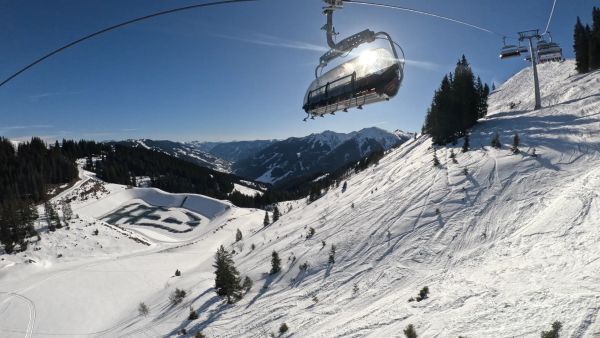
Saalbach Hinterglemm Resort Review: 270 km of Piste, 70 Lifts and a Three-Resort Pass
Four connected areas, 70 lifts and a World Championship course, yet Saalbach Hinterglemm still runs like a family holiday. Two days on snow and a Worlds Super-G later, here is who it suits, what the Ski ALPIN CARD covers and why Epic Pass holders should pay attention. Big on blues, light on steeps.
30 Sept 2026
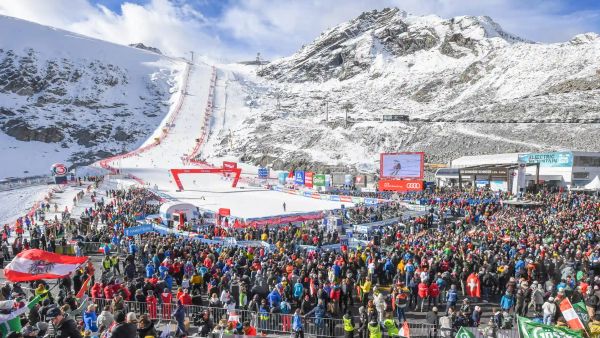
Sölden Plans Four-Race World Cup Opener on the Rettenbach Glacier from 2027
Sölden's World Cup opener has been two giant slaloms on the Rettenbach glacier for as long as most fans can remember. From 2027/28 it could be four. Director Jack Falkner wants to add two Super-Gs, backed by a nod from Vincent Kriechmayr, and turn the opening into a full week where the ski world gathers in the Ötztal. FIS and the ÖSV are yet to sign off. This year, it's still just the two GS races on 24 and 25 October.
29 Sept 2026
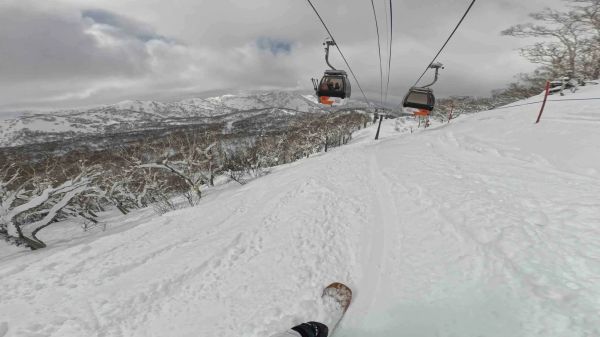
Hokkaido Ski Resort Opening Dates 2026/27: Sapporo Kokusai Leads Off on 20 November
Hokkaido's lift season now has dates. Sapporo Kokusai opens first on 20 November, Niseko United, Kiroro, Rusutsu and Furano follow on 28 November, and Kamui closes the list on 12 December. Everything hinges on snow, and with a strong El Niño in play, the JMA gives Hokkaido's Japan Sea side a 40% chance of below-normal snowfall. Honshu's Japan Sea coast looks shakier.
28 Sept 2026
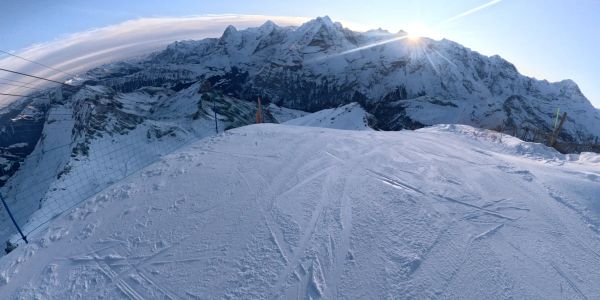
Swiss Ski Resorts Post Second-Highest Winter Revenue on Record Despite a Warm Season
Switzerland logged 25.7 million ski days last winter, only 2.3% off the record, in a season that ranked sixth-warmest since records began. Revenue hit CHF 895.8 million, second only to 2024/25. Zermatt led on visits and takings, foreign guests hit a ten-year high, and 12 resorts never opened at all. Snowmaking, late storms and high altitude carried the numbers. Anything sitting at 1,000-1,200 m had a far rougher time.
26 Sept 2026
Aspen Snowmass Marks 80th Anniversary With $3.75 Throwback Lift Tickets
Aspen Snowmass turns 80 this December, and it's marking the milestone with $3.75 lift tickets on the anniversary itself - the original 1946 price. A discounted long weekend, $19.46 dining specials, lodging deals up to 46 percent off, and a season of anniversary programming round out the celebration across all four mountains.
17 Sept 2026
Brian Head Ski Trails
Downloadable Brian Head trail map
Terrain split
71
runs
Beginner30%
Intermediate35%
Advanced32%
Expert3%
650 acres skiable263 hectares
Resort Stats
Elevation
Base9,600ft
Summit10,968ft
Annual snowfall
29ft
Season
2025 - 2026
7 Nov 2025 - 26 Apr 2026
Trail coverage
71 runs
650 acres (263 ha)
Brian Head ski trails
Brian Head offers 71 runs across a mix of difficulties. The terrain split and trail map here show how the mountain breaks down so you can plan a day that suits your group.
- • Match runs to your ability - the terrain split shows how much of Brian Head is beginner, intermediate and advanced.
- • Check grooming and open-run status against the live conditions before committing to the upper mountain.
- • Early season and after fresh snow, favour the lifts serving your preferred grade to make the most of the day.
More Brian Head intelligence: trail map, lift system, resort overview.