
The Overview
Michael Fulton
Melbourne-based skier and snowboarder with 50+ resorts across 5 continents. Specialises in Australian resorts and international resort comparisons.
Snowbird operates across 2,500 acres in Little Cottonwood Canyon with a vertical drop of 988 metres from the 3,353-metre Hidden Peak summit to the 2,365-metre base. The resort receives an average of 12.7 metres of annual snowfall and features 171 named runs, making it one of Utah's most snow-reliable destinations. The iconic Aerial Tram climbs 884 metres in seven minutes, providing direct summit access, whilst the unique 183-metre Peruvian Tunnel connects the front side to Mineral Basin through the mountain's interior.
Terrain splits decisively towards advanced riders, with 43 per cent advanced and 24 per cent expert runs, whilst intermediate trails account for 25 per cent and beginner terrain just 8 per cent. The mountain divides into three distinct zones: Peruvian Gulch with the resort's longest runs, Gad Valley offering tree skiing and upper bowls, and Mineral Basin's 500-acre backside bowl accessed via tunnel or tram. Signature advanced runs include Great Scott, Silver Fox, and the Cirque Traverse, whilst intermediates favour Mark Malu and Mineral Basin's forgiving blue terrain.
The compact base village centres on the Snowbird Center and four slopeside lodges including the Cliff Lodge, with concentrated facilities that include The Summit restaurant atop Hidden Peak at 3,353 metres. The resort attracts skilled locals and destination skiers pursuing steep terrain and deep powder, creating a no-nonsense atmosphere focused on serious skiing rather than village life. Weekends draw crowds from metropolitan Salt Lake City, whilst midweek operations remain quieter and powder stashes last longer.
Snowbird appears on both the Ikon Pass and Mountain Collective, with the Alta-Bird joint pass providing access to 5,114 combined acres across both Little Cottonwood Canyon resorts. The 2025-26 season ran from 28 November to 26 May, reflecting Utah's longest operating schedule. The mountain suits confident intermediates through experts who prioritise snow quality and challenging terrain over extensive beginner infrastructure, with the caveat that Baby Thunder lift often closes midweek, limiting novice options.
3,241ft
Vertical
171
Runs
2,500 acres
Skiable
42ft
Annual snow
Ikon / Mountain Collective
Pass
The Terrain
171 runs across 2,500 acres skiable
Snowbird occupies the south side of Little Cottonwood Canyon in Utah's Wasatch Range, with about 2,500 acres (1,012 hectares) of terrain and 171 runs. The base sits at 7,760 ft (2,365 m) and Hidden Peak tops out at 11,000 ft (3,353 m), giving 3,240 ft (988 m) of vertical. Terrain splits 8% beginner, 25% intermediate, 43% advanced and 24% expert, so advanced and expert terrain dominates. The two resorts in the canyon share the Alta-Bird pass, which makes it easy to add Alta to a trip.. The Aerial Tram climbs to the summit, with chairlifts handling the rest of the mountain.
Three zones define the mountain. Peruvian Gulch is north-facing, which preserves snow quality, and holds advanced runs such as Silver Fox and Great Scott off the tram. Gad Valley suits all levels, with beginner terrain near the Baby Thunder lift and steeper lines in Gad Chutes and Tiger Tail. Mineral Basin on the back side is south-facing and sunny, with intermediate-friendly runs like Lupine Loop, reached through the 600 ft Peruvian Tunnel conveyor. The Cirque Traverse is a signature advanced line, and intermediates favour Mark Malu. Beginner choice is limited. Snowbird suits confident intermediates through experts chasing steeps and deep snow, and the Alta-Bird ticket adds neighbouring Alta via Sugarloaf Pass into Mineral Basin.
Terrain split
171
runs
171 runs across 4 grades
Beginner14 runs · 8%
Intermediate43 runs · 25%
Advanced74 runs · 43%
Expert41 runs · 24%
Time it right
When to visit Snowbird
The 2025-26 season operated from 28 November 2025 through 26 May 2026, transitioning to weekends-only operations in the final weeks before closing. Snowbird typically opens by early December and extends Utah's longest ski season into late May, occasionally reaching Memorial Day weekend in high-snow years. The resort opened just before Thanksgiving in 2025 but closed earlier than the previous season due to below-average snowfall totals.
Snowbird averages 12.7 metres of annual snowfall, receiving over 500 inches most seasons due to lake-effect enhancement from the Great Salt Lake. The base elevation of 2,365 metres and summit reaching 3,353 metres provide consistent cold temperatures that preserve Utah's famously dry powder. The 2025-26 season recorded approximately 305 inches by closing, well below the typical 500-inch average, demonstrating the resort's vulnerability to warm winters despite its elevation advantage.
January through March delivers peak powder conditions with the highest frequency of storms, whilst December focuses on base-building and terrain opening. April offers exceptional spring skiing on Snowbird's north-facing slopes, where cold preservation extends powder quality beyond most Utah resorts. The resort typically achieves 84 per cent terrain open by Christmas, though steep pitches require substantial base depths of 1.5 metres or more to safely operate.
Snowbird does not offer night skiing but operates from 8 AM until 2 PM during late-season weekends. The resort hosts the Wasatch Wildflower Festival in summer, Cirque series trail running races, and Speedgoat by UTMB mountain running events. Free daily mountain tours depart from the Plaza Deck at 9:30 AM and 10:30 AM, whilst the resort's six webcams monitor conditions from Hidden Peak, Mineral Basin, Gad Valley, the tram bull pen, Peruvian Gulch, and the official snowstake.
Season 2026 - 2027
27 Nov 2026
Opens
9 May 2027
Closes
163
Days open
42 ft
Annual snow
Getting there
Getting to Snowbird, and where to stay
Snowbird sits in Little Cottonwood Canyon within the Wasatch Range of the Rocky Mountains, 10 kilometres up Highway 210 from the canyon mouth. The unincorporated community lies within the Wasatch-Cache National Forest, with the base village at 2,365 metres elevation surrounded by steep canyon walls. Alta Ski Area sits 1.6 kilometres up-canyon to the east, accessible via the Baldy Express chairlift from Mineral Basin, whilst the mouth of Big Cottonwood Canyon lies 19 kilometres north.
Salt Lake City sits 39 kilometres northwest, with downtown approximately 45 minutes by road in good conditions. The suburb of Sandy lies 19 kilometres from the resort at the canyon entrance, whilst Cottonwood Heights sits 21 kilometres away. Little Cottonwood Canyon's mining history dates to 1869 when silver was discovered at the Emma Mine, which produced $3.8 million in ore before closure in 1941, and the resort opened in December 1971 under founders Ted Johnson and Dick Bass.
Access follows Interstate 80 east from Salt Lake City, then Interstate 215 south to the 6200 South exit, which becomes Wasatch Boulevard before transitioning to Highway 210 up Little Cottonwood Canyon. The 10-kilometre canyon road frequently closes for avalanche control, sometimes for hours during active storm cycles. Parking reservations are recommended on weekends, with free lots filling by 7:45 AM on peak days, and the narrow canyon's avalanche terrain makes it one of North America's most hazardous ski access roads.
Salt Lake City International Airport sits 47 kilometres away via a 45-minute drive in clear conditions, offering over 600 daily flights with direct service to major US cities. The Utah Transit Authority operates the route 994 ski bus from multiple Salt Lake City locations to the Snowbird tram, costing $5 per ride with 30-minute frequency. Private shuttle services including Canyon Transportation provide door-to-door resort transfers, whilst many visitors stay at one of four slopeside lodges to avoid daily canyon driving.
Where to stay
Search all stays →Hotels and lodges near Snowbird, powered by Stay22.
Latest News
From the SnowStash desk

Vermont Ski Resort Opening Dates 2026-27: Few Dates Set, Killington Waits on the Cold
Vermont's season is slow to take shape. Stratton is tentatively targeting 18 November and Sugarbush 21 November, while Pico has Friday 11 December on the calendar. Killington never sets a date and opens when the snowmaking allows, and Vail Resorts has yet to name days for Stowe, Okemo and Mount Snow. The forecasts disagree about snow, and the main El Niño worry for the Green Mountains is warmth.
9 Oct 2026
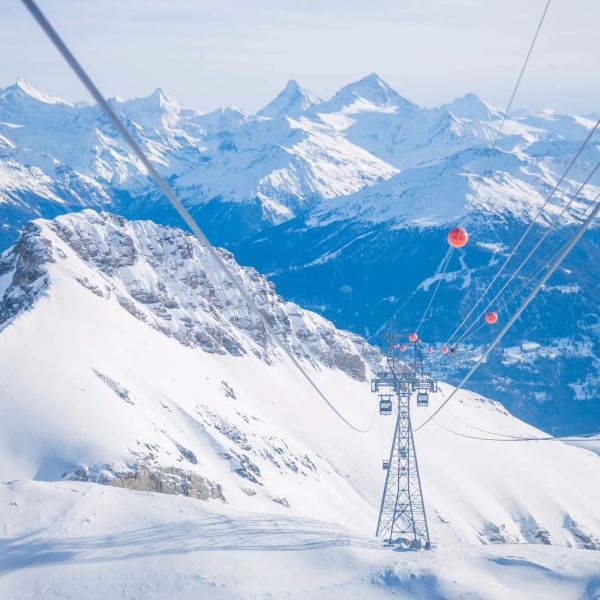
Crans-Montana 2027 World Championships President Resigns Ahead of Fraud Hearing
Less than four months out from the Crans-Montana 2027 World Championships, the man running the organising committee has stepped down. Claude-Alain Schmidhalter resigned as Swiss-Ski vice president and OC president after being indicted over a business dispute unrelated to skiing. He denies the allegations and faces court on October 27. Interim leaders are in place for the February 1-14 event.
9 Oct 2026
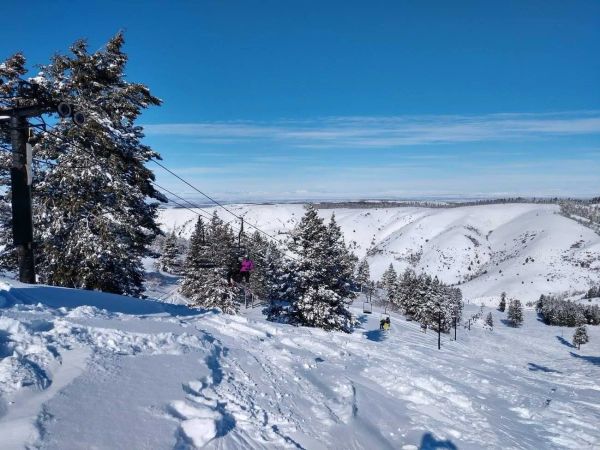
Kelly Canyon, Idaho, Adds Snowmaking, a Bigger Terrain Park and More Parking for 2026-27
Kelly Canyon had a rough 2025-26, and the Idaho resort has spent the summer making sure it doesn’t repeat. Snowmaking now reaches the top of Goldrush, the terrain park is doubling in size with a stereo system, lights and a snack shack, and the car park is getting bigger. Grooming is stepping up too. Target opening is December 4, conditions permitting.
9 Oct 2026
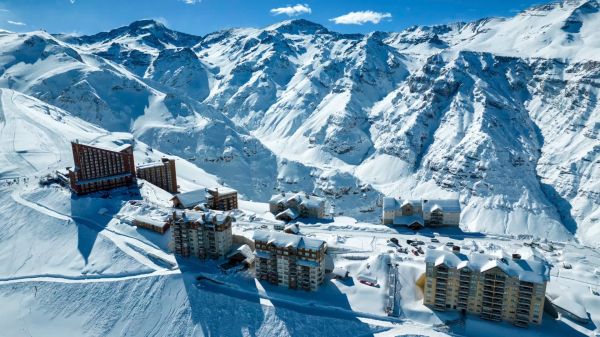
Valle Nevado Extends Season to November 8 After 108 cm in 48 Hours
Winter was meant to be winding down in Chile. Then Valle Nevado took 108 cm in 48 hours in early October, and the resort has pushed its closing date out to November 8 - its latest in 38 years of operation. That makes 143 days of skiing since opening day on June 19, with 690 cm banked for the season. Only part of the mountain is running while the storm settles, so check the mountain report before you plan a trip.
9 Oct 2026
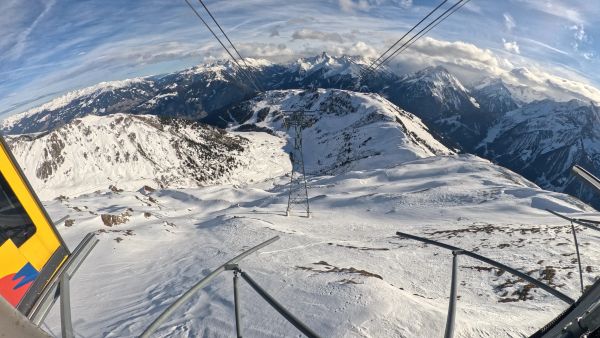
Alps Snow Forecast: Cold Front Brings Thursday Snow to the High Alps
The Alps look a lot more like winter today, for a day or so. A cold front is moving west to east, dropping up to 35 cm on high glaciers and peaks, with snow levels falling to around 1,500-1,800 m at times. Don’t plan a trip around it: mid-elevation snow will be thin and wet, every area is closed bar a limited Sölden glacier opening tomorrow, and warmer weather returns by Monday.
8 Oct 2026
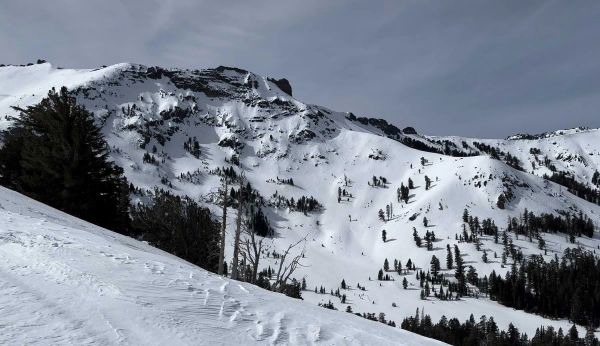
California Ski Resort Opening Dates 2026-27: Mammoth Leads, Tahoe Follows
Mammoth Mountain is first up in California, targeting Friday 13 November after a dusting of September snow. Heavenly and Northstar follow on 20 November, Palisades Tahoe on Wednesday 25 November and Sugar Bowl on 27 November, with Kirkwood on 4 December and June Mountain on 19 December. Plenty of smaller areas have no date yet. A super El Niño favours the Sierra, but a warmer storm track is the catch.
7 Oct 2026
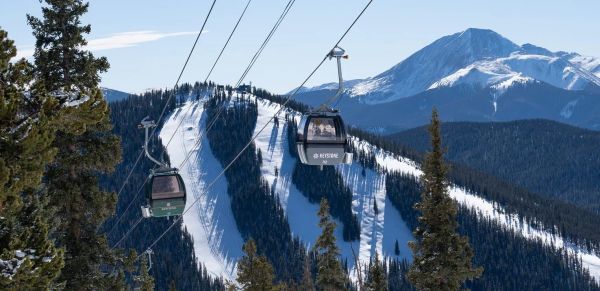
Colorado Ski Resort Opening Dates 2026-27: A-Basin and Keystone Race to Be First
Arapahoe Basin, Keystone and Winter Park are all chasing an October start, though none has a firm date yet. The first dated openers are Breckenridge and Copper on Friday 6 November, then Vail on 13 November, with most of the rest bunched around US Thanksgiving. Hesperus did not open at all last season. A super El Niño offers hope but no guarantee, and forecasters say the southern mountains have the better odds.
5 Oct 2026
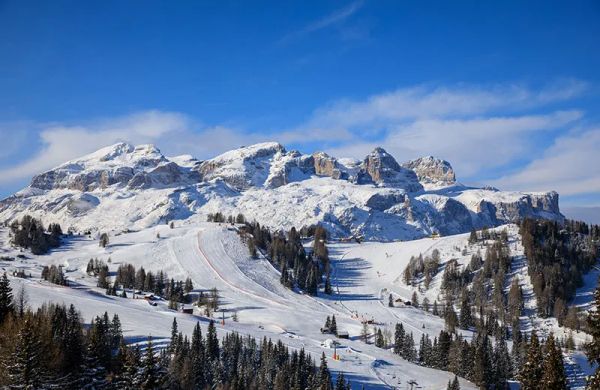
Dolomiti Superski 2026-27: Four New Gondolas, New Reservoirs and an €89 Peak Day Pass
Dolomiti Superski is spending around €100 million across its 12 areas before winter. Kronplatz gets a new 10-passenger gondola with a middle station, 3 Zinnen gets Helmissimo, and Val di Fassa swaps a chairlift for a gondola above Col Valvacin. New water-storage basins and upgraded snowmaking follow, and construction has started on the San Martino to Passo Rolle link. A peak adult day pass is €89.
4 Oct 2026
Snowbird Webcams
6 live angles across the mountain. Tap any camera to go full-screen.
About Snowbird's live webcams
Check live conditions across Snowbird with 6 real-time webcams showing snow, weather, and lift operations, updated every 10 minutes. Check high-elevation cams for powder visibility and base-area cams for crowd levels before you head up.
Camera guide
- Mineral Basin Summit10,915ft
- Experience Snowbird's legendary backcountry-style terrain through this commanding Mineral Basin Summit Snowbird webcam positioned at the resort's remote eastern boundary. This high-altitude Snowbird live cam provides stunning views of the vast Mineral Basin area where advanced and expert skiers seek out Utah's deepest powder stashes in terrain that rivals backcountry skiing. Monitor conditions in this expansive bowl through this essential Snowbird web cam as you prepare to explore some of the most challenging inbounds skiing in North America.
- Tram Bull Pen8,120ft
- Witness the excitement at Snowbird's iconic tram loading area through this essential Tram Bull Pen Snowbird webcam positioned at the base of Utah's most famous aerial tramway. This central Snowbird live cam captures the energy and anticipation as skiers prepare for the dramatic 2,900-foot vertical ascent to Hidden Peak's legendary terrain. Perfect for monitoring tram operations and crowd levels, this Snowbird web cam provides real-time views of the gateway to some of the most challenging skiing in the American West.
- Snow Stake9,715ft
- Track precise snowfall accumulation through this crucial Snowbird webcam focused on the official snow stake in Little Cottonwood Canyon. This specialized Snowbird live cam provides accurate 24-hour snowfall measurements in one of Utah's most legendary powder destinations, where storm totals regularly exceed other resorts due to the canyon's unique orographic snow enhancement. Essential for powder hunters planning their assault on Snowbird's legendary terrain, this Snowbird web cam delivers the snow intelligence that defines epic Utah skiing.
- Hidden Peak10,991ft
- Experience breathtaking 360-degree summit views through this spectacular Hidden Peak Snowbird webcam positioned at the top of the famous aerial tramway. This premium Snowbird live cam offers panoramic vistas across the Wasatch Mountains while providing access to some of North America's most challenging inbounds terrain. Monitor summit conditions and visibility through this unique Snowbird web cam as you prepare to descend the legendary chutes and bowls that make Snowbird a pilgrimage destination for serious skiers.
- Peruvian Gulch8,120ft
- Discover Snowbird's diverse intermediate terrain through this strategic Peruvian Gulch Snowbird webcam positioned in one of the resort's most popular zones. This central Snowbird live cam provides excellent views of the varied trails and lift operations that serve skiers of all abilities, showcasing how Snowbird offers options beyond its legendary expert terrain. Monitor conditions in this accessible area through this Snowbird web cam while planning your approach to Utah's most vertically dramatic ski resort.
- Powder Paradise
- Experience the ultimate powder skiing perspective through this appropriately named Powder Paradise Snowbird webcam positioned in the heart of the resort's legendary deep snow zones. This specialized Snowbird live cam captures the pristine powder conditions and challenging terrain that make Snowbird famous among serious skiers worldwide. Monitor snow quality in these coveted powder stashes through this Snowbird web cam as you prepare to experience the deepest, driest snow that Utah's Little Cottonwood Canyon has to offer.
Snowbird snow cams FAQ
How often do Snowbird snow cams update?
All Snowbird snow cams and webcams update every 10 minutes with fresh images showing current mountain conditions. This frequent update schedule ensures you have access to near real-time conditions for planning your ski day at Snowbird.
Which Snowbird webcam shows the best powder conditions?
The high-elevation Hidden Peak webcam at 3,350m provides the clearest view of powder conditions and snowfall. These Snowbird webcams capture fresh snow accumulation and visibility better than base area cameras.
Can I see Snowbird lift queues on the webcams?
Yes. Multiple Snowbird snow cams specifically show lift queue areas and chairlift operations, helping you time your arrival and avoid peak queue periods.
When is the best time to check Snowbird snow cams?
Check Snowbird webcams early morning (7-8am) for overnight snowfall assessment, and mid-afternoon for current crowd levels and weather. The live cams are most useful after storm events to assess fresh powder.
How can I check current conditions before buying Snowbird lift tickets?
Use our Snowbird webcams alongside the live snow report to assess conditions before purchasing lift tickets. The webcams show real-time visibility, snow quality, and operational status.
Do Snowbird webcams work on mobile devices?
Yes. All Snowbird snow cams and webcams are optimized for mobile viewing, so you can check live conditions from anywhere using your phone or tablet.
More Snowbird intelligence: snow report, lift tickets, trail map, resort overview.