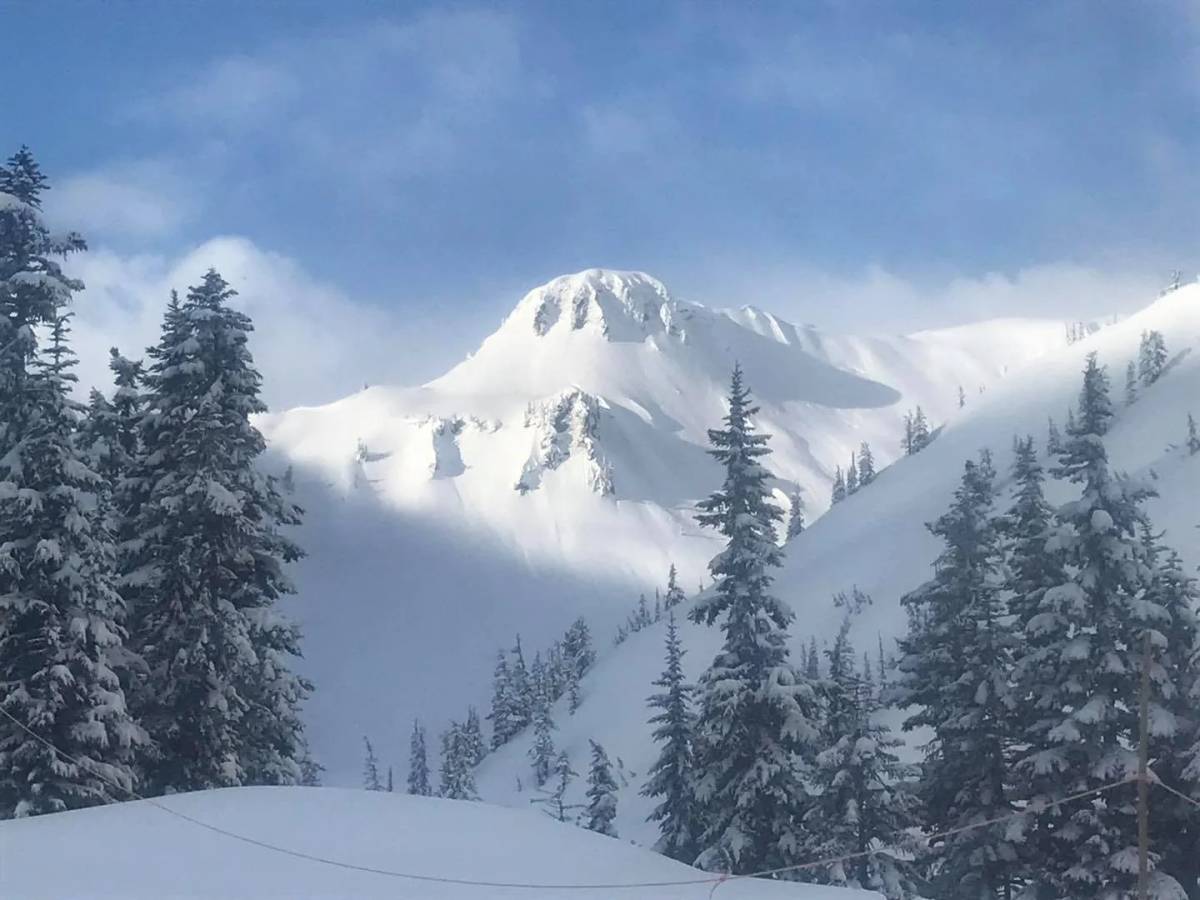
Mt Baker
1,000 acres, 38 runs near the Canadian border. World-record snowfall, legendary backcountry access.

Season 2026 - 2027
Opens
18 Dec 2026
Closes
18 Apr 2027
Days open
121
Annual snow
702in
The Overview
Michael Fulton
Melbourne-based skier and snowboarder with 50+ resorts across 5 continents. Specialises in Australian resorts and international resort comparisons.
Mt Baker's summit reaches 5,000 feet, dropping 1,500 vertical feet to a base at 3,500 feet across 38 runs spread over 1,000 acres in Whatcom County, Washington. Terrain splits 45 per cent intermediate, 24 per cent beginner, 16 per cent expert and 15 per cent advanced, with average annual snowfall of roughly 702 inches, among the highest totals of any ski area in the world. The resort operates independently without major multi-resort pass affiliation.
Mt Baker holds the world record for the most snowfall recorded at a ski area in a single season: 1,140 inches during the 1998-99 winter, verified by NOAA, breaking the previous record of 1,122.5 inches set at Paradise on Mount Rainier in 1971-72. This extraordinary snowfall, combined with extensive backcountry access, has made Mt Baker legendary among powder skiers despite its comparatively modest 1,000-acre footprint. The resort's remote setting near the Canadian border adds to its authentic, unpolished character.
Skiing on the mountain traces to 1921-1926, when the Mt Baker Highway was constructed to Heather Meadows, opening the area to winter recreation. Mount Baker Lodge opened in 1927, and the Mt Baker Ski Club was organised that same year, establishing the foundations of organised skiing on the mountain nearly a century ago.
The resort's location at the end of State Route 542, roughly ten miles south of the 49th parallel and the Canadian border, keeps it relatively remote even by Washington ski area standards. Adult daily tickets run from 69 to 89 US dollars, with a season pass from 899 dollars, reflecting a resort that has deliberately avoided major destination-resort development in favour of preserving its authentic, powder-focused identity.
1,499ft
Vertical
38
Runs
1,000 acres
Skiable
702in
Annual snow
The Terrain
38 runs across 1,000 acres skiable
Mt Baker packs 1,000 acres (405 hectares) of terrain into a compact, lift-served area near the Canadian border, with 38 runs between 3,500 ft (1,067 m) at the base and 5,000 ft (1,524 m) at the top. The vertical is 1,500 ft (457 m), and the mountain is famous for snowfall, averaging about 702 inches a winter. Intermediate runs make up 45% of the terrain, beginner 24%, expert 16% and advanced 15%. Eight quad chairs and two t-bars keep skiers moving through the snow that falls here.
Chair 8 is the longest lift, serving groomers such as Oh Zone and Daytona and opening access to the Hemispheres and Shuksan Arm backcountry. Gabl's, beneath Chair 5, and the Chute are the two double black diamond runs, with Chair 5 also reaching the Elbow backcountry. A midpoint station on Chair 1 gives quick laps on Austin, Pan Face, North Face and Chicken Ridge, and Panorama Dome sits at the top. Backcountry skills matter here, so it suits committed powder skiers more than casual visitors.
Terrain split
38
runs
38 runs across 4 grades
Beginner9 runs · 24%
Intermediate17 runs · 45%
Advanced6 runs · 15%
Expert6 runs · 16%
Time it right
When to visit Mt Baker
The 2025-26 season at Mt Baker ran from 28 November 2025 to 19 April 2026, a roughly twenty-one-week season supported by average annual snowfall of around 702 inches, among the highest totals of any ski area anywhere in the world. This extraordinary snowfall underpins the resort's legendary reputation among powder skiers and supports a long, reliable natural season without significant reliance on snowmaking.
Midwinter, from December through February, typically delivers the deepest and most frequent snowfall, with Mt Baker's 1998-99 world-record season of 1,140 inches standing as the benchmark against which extreme winters are still measured. The resort's remote location near the Canadian border keeps crowds lighter than more accessible Cascade resorts even during peak conditions, drawing dedicated powder skiers willing to make the drive.
As an independently operated resort without major pass affiliation, Mt Baker's visitor base skews heavily toward experienced Pacific Northwest skiers and backcountry enthusiasts rather than destination-pass traffic. School holiday periods bring some increase in visitation, though the resort's terrain and remote setting generally favour more experienced skiers over casual family outings.
Specific event programming beyond standard operations is not confirmed in available resort information. The resort's world-record snowfall history remains central to its identity and continues to draw powder skiers from across the country specifically hoping to experience conditions approaching those of the legendary 1998-99 season. Mt Baker's extensive backcountry access further distinguishes its seasonal character from more conventional Cascade resorts.
Season 2026 - 2027
18 Dec 2026
Opens
18 Apr 2027
Closes
121
Days open
702 in
Annual snow
The record
Historical snowfall at Mt Baker
Daily snow reports at Mt Baker go back to 2025, 3 winters on the books. Open the record to compare winters, lifts and piste.
20 in
Snowiest day
7 Jan 2026
26 in
This winter · 2026-27
so far
352 in
Typical winter
average of complete seasons
Winter totals
in
Past wintersThis winter
Getting there
Getting to Mt Baker, and where to stay
Mt Baker sits in Whatcom County in northwestern Washington, at the end of State Route 542, roughly ten miles south of the 49th parallel and the Canadian border, with a base elevation of 3,500 feet and a summit at 5,000 feet across a 1,500-foot vertical drop over 1,000 acres. This remote setting places the resort well north of Washington's other major ski areas.
The town of Glacier, Washington, offers the nearest lodging and services along the Mt Baker Highway, while Bellingham, a larger regional city, lies further west and provides more extensive amenities. The broader North Cascades landscape surrounding the resort offers additional recreation beyond skiing, with the area's proximity to the Canadian border adding an international dimension to the region's tourism.
State Route 542, the Mt Baker Highway, provides the sole route to the resort from Bellingham and the broader Puget Sound region. Winter driving conditions on this route can be severe given the area's extraordinary snowfall, and chains or traction tyres are frequently required during storms. There is no direct public transport service to the resort.
Bellingham International Airport is the nearest airport with commercial service, though most visitors fly into Seattle-Tacoma International Airport and make the roughly two-and-a-half-hour drive north. This distance from major air travel hubs reinforces Mt Baker's identity as a destination reached deliberately by committed powder skiers rather than a convenient day-trip resort.
Where to stay
Search all stays →Stays map loads when you scroll here
Hotels and lodges near Mt Baker, powered by Stay22.
Good to know
Frequently asked
When is Mt Baker's ski season?
Mt Baker's 2026 - 2027 season typically runs from December 18 through April 18. That window is roughly 121 calendar days, though daily operations depend on snow cover, weather, and lift maintenance.
Resorts in Washington, Usa often announce firm dates closer to winter; check the live snow report before you travel if you are planning around opening weekend or spring closure.
How much skiable terrain does Mt Baker have?
Mt Baker lists about 1,000 acres skiable of marked terrain spread across 38 named runs (405 hectares alongside 1,000 acres skiable). That footprint is what most riders experience on a lift-served day. Side-country or hike-to terrain may sit outside these published numbers.
Use the trail map to see how the mountain is laid out and where the longest fall-line runs connect back to base.
What is the terrain like at Mt Baker?
Trail grading at Mt Baker breaks down roughly as 24% beginner, 45% intermediate, 15% advanced, 16% expert. The mix is balanced enough for mixed-ability groups, so learners can stay on marked green/blue (Green/Blue) terrain while stronger skiers peel off to steeper pitches.
Percentages describe the resort's published piste mix, not vertical feet. A mountain with modest "expert" stats can still feel demanding if the steep terrain is long or exposed. Read the trail map alongside these numbers when planning your route.
How many lifts does Mt Baker have?
Mt Baker operates 10 lifts across 2 lift types. The fleet includes 8 quad chairs and 2 t-bars.
Lift mix affects how quickly you can lap your favourite zones. Gondolas and trams move big crowds to mid-mountain, while shorter chairs and surface lifts often serve learning areas or local pods. Check the live snow report on ski days for real-time open/closed status.
What is the elevation and vertical drop at Mt Baker?
Base elevation at Mt Baker is about 3,501 ft (1,067 m), with the summit around 5,000 ft (1,524 m), giving roughly 1,499 ft (457 m) of vertical from base to top.
Higher start heights usually mean colder, drier snow holding longer into spring, but also thinner air and faster weather changes. Pack layers if you are riding from village level to summit lifts in one day.
How much snow does Mt Baker get each season?
Mt Baker averages about 702 inches (1,783 cm) of natural snowfall per season. That is a long-term climate figure. Any single winter can run well above or below it depending on storm track and temperature.
For trip planning, pair this baseline with the live snow report and webcams: fresh cycles show up in overnight totals and summit cameras long before season averages tell you much about today's surface.
Where can I buy Mt Baker lift tickets and how much do they cost?
Published single-day adult pricing on SnowStash currently spans US$42 to US$115, depending on date band and whether you are buying peak or regular windows. Multi-day products (season passes) usually lower the per-day cost if you are staying several days. Tickets can be bought online through the resort's official checkout (linked from our lift tickets page) or at on-mountain ticket windows, subject to availability.
Buying ahead of peak holidays and weekends generally saves money and guarantees access on sold-out days. Before you commit, scan the snow report and webcams so you are paying for conditions that match your expectations.
How can I check snow and mountain conditions at Mt Baker before I go?
SnowStash pulls together 2 live mountain webcams, a downloadable piste map, and the daily snow report for Mt Baker so you can plan from home. Webcams refresh on a short interval and are the fastest way to judge visibility, wind exposure, and whether storm snow is still falling.
The snow report adds structured totals, base depth where available, and lift/trail status when the resort publishes it. Use both together: cameras show what it looks like right now, and the report summarises numbers your group can compare day to day.
Does Mt Baker have a trail map?
Yes. The downloadable PDF/image map is better for offline planning, marking meeting points, and understanding the full mountain layout at a glance.
Both versions are on the trail map page for Mt Baker. If you are navigating with kids or meeting friends across separate lifts, screenshot or print the static map and keep the live map open on your phone for operational updates.
Where is Mt Baker located?
Mt Baker sits in Washington, Usa. That regional context matters for travel planning: airport transfers, snow tyres, and typical storm patterns all follow geography as much as resort marketing.
Browse nearby accommodation from the resort page if you are comparing village-base vs valley-base stays; where you sleep changes your first lift of the day more than most trail stats do.
Latest News
From the SnowStash desk

Val Gardena to Alpe di Siusi Lift Link Back in Play After Court Ruling
The Val Gardena-Alpe di Siusi lift link isn’t dead after all. A South Tyrol court has overturned Santa Cristina’s rejection of the new Monte Pana-Saltria link on procedural grounds, after the council skipped required public information sessions. Opponents want the missing sessions held and a fresh vote, and nothing has been approved. For now it’s still a bus between the two, but a plan first floated in 2017 is back in the conversation.
8 Nov 2026
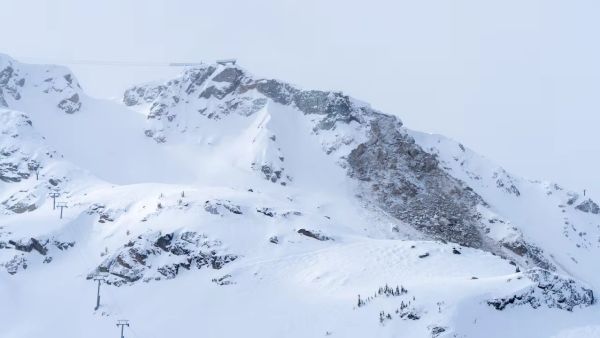
Whistler Blackcomb Rockslide Zone Stays Closed Through 2026-27 Season
A section of Whistler Peak terrain will stay closed all 2026-27 season, Vail Resorts has confirmed, with rockslide mitigation work continuing into summer 2027. Peak Express is still expected to run this winter, but locals are already arguing about what’s actually off limits, whether the Whistler Bowl is gone, and why the news landed after pass sales wound down. Here’s where things stand.
7 Nov 2026
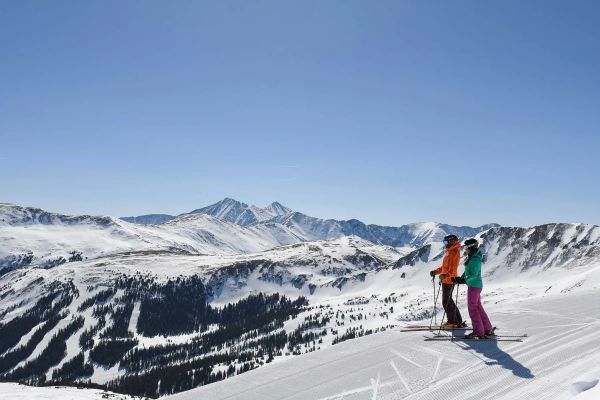
Loveland Ski Area Opens for 2026-27 and Marks 60 Years of Snowmaking
Loveland is open. The Colorado ski area started Chet’s Dream turning on Saturday 7 November to kick off 2026-27, with $60 adult lift tickets to mark 60 years of snowmaking. Expect three runs, nearly 1,000 vertical feet (about 300 metres) of top-to-bottom skiing, live music on the Basin Patio and no beginner terrain yet. Here’s what’s open, what it costs and when Loveland Valley follows.
7 Nov 2026
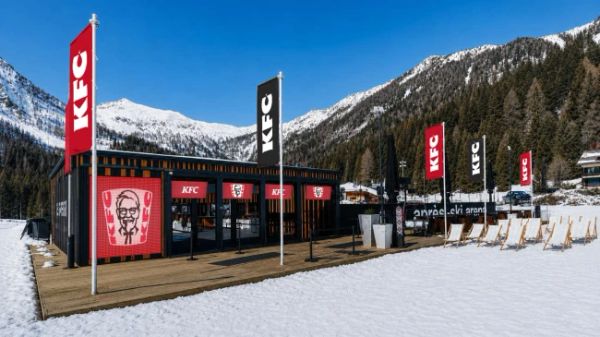
KFC Is Coming to the Slopes at Cortina and Madonna di Campiglio
Fried chicken is heading up the Dolomites. From 5 December KFC will run two restaurants on the slopes - one at 2,123 metres at Cortina, one at 1,700 metres at Madonna di Campiglio - and the polenta-and-canederli crowd has opinions. Local politicians, conservation groups and plenty of Facebook commenters are calling it a step too far, while others just want a cheaper lunch. Here’s what’s on the menu and what’s the fuss.
5 Nov 2026

Mt Rose Aims to Open First in Tahoe on November 6
Mt Rose is going for the first-in-Tahoe title, with the Lakeview Express due to spin at 9 a.m. on Friday, November 6. One main lift, three runs and plenty of snowmaking, sitting on the highest base elevation in the region at 8,260 ft. Here is what is open, what is not (sorry, tubing fans), and how the early North American openings are stacking up.
4 Nov 2026

Europe Snow Forecast: Serre Chevalier Leads With 82 cm Over the Next 10 Days
Europe has had a quiet start to November, but our 10-day forecast has Serre Chevalier on 82 cm and Les 2 Alpes on 71 cm. Two pushes are lined up: a western Alps top-up from Friday, then a bigger, wider system on Thursday, November 12 and Friday, November 13 that reaches Italy and Switzerland. Full leaderboard inside.
4 Nov 2026

Mammoth Mountain Opens Early on November 5 With Up to 33 Inches of Snow in the Forecast
Mammoth just moved opening day forward to Thursday, November 5, eight days ahead of schedule. A snowy weekend and cold snowmaking nights did the work, and our forecast shows up to 33 inches more landing on November 13 and 14. Here is what opens, what the weather looks like and where Mammoth sits among the early Ikon Pass openers.
3 Nov 2026

Utah Snow Storm Builds Early-Season Base Ahead of November Openings
Rain down low, snow up high, and a snow report full of zeros that mostly means ‘not updated yet’. Utah’s first proper storm of 2026-27 is rolling through the Wasatch, Snowbird’s snow stake is closing in on 10 inches, and Brian Head is five days from opening day. Early November snow rarely looks like much, but it is the layer every November opening date is built on. Here is where it stands.
1 Nov 2026