
The Overview
Michael Fulton
Melbourne-based skier and snowboarder with 50+ resorts across 5 continents. Specialises in Australian resorts and international resort comparisons.
Granite Peak's summit reaches 1,943 feet, dropping 700 vertical feet to a base at 1,243 feet across 58 runs spread over 155 acres on Rib Mountain near Wausau, Wisconsin. Terrain splits 45 per cent advanced, 24 per cent each beginner and intermediate, and 7 per cent expert, a notably steep mix for a Midwest resort. Average annual snowfall is low at roughly 65 inches, so the resort depends heavily on snowmaking. Granite Peak operates its own Legendary Pass, shared with Lutsen Mountains and other affiliated areas.
Ten lifts, including four quads, one six-pack and two triples, serve the 58-run network, giving Granite Peak the largest lift count of any Wisconsin ski area. The 700-foot vertical drop and steep terrain mix make it Wisconsin's largest and most advanced-leaning resort. The mountain sits within Rib Mountain State Park, one of the oldest ski areas in North America. Night skiing runs alongside daytime operations.
The Wausau Kiwanis Club donated land on Rib Mountain to the state in 1924, with the state acquiring further acreage soon after. The ski area opened in 1937, among the first in North America, with the Civilian Conservation Corps building the first downhill runs and tow ropes during the 1930s. A shelter house opened in 1939, described at the time as among the finest structures of its kind in the Midwest, hosting the Wausau Ski Club's first official function. Night skiing arrived in 1955 with 28 spotlights, and snowmaking followed in 1958, decades before it became standard at most competitors.
Granite Peak's Legendary Pass gives access alongside Lutsen Mountains in Minnesota and other affiliated areas under the same network. Adult full-day tickets range from 65 to 109 US dollars depending on date and time, with a discounted Wisconsin Wednesdays rate at 20 dollars and a Legendary Plus season pass at 699 dollars. The resort suits Wausau and central Wisconsin skiers seeking the state's largest and steepest terrain. Its operation on state park land under a private lease with the Wisconsin Department of Natural Resources is a distinctive arrangement among Midwest resorts.
699ft
Vertical
58
Runs
155 acres
Skiable
5ft
Annual snow
The Terrain
58 runs across 155 acres skiable
Granite Peak, on Rib Mountain beside Wausau in central Wisconsin, is a compact but busy hill with 58 runs across about 155 acres (63 hectares). The base is 1,240 ft (379 m) and the summit 1,940 ft (592 m), a vertical drop of 700 ft (213 m). Advanced runs lead at 45%, with 24% beginner, 24% intermediate and 7% expert, which makes it steeper than most Midwest hills. Four quads, a six-person chair, two triples and three surface lifts keep skiers moving, and the high-capacity lift line-up makes the best use of a small footprint on the hill.
Rib Mountain rises abruptly from the surrounding plain, so the runs are short but fairly steep, with seven tree areas, four mogul runs and several terrain parks adding variety. Groomed runs fan out from the top, and the short pitches make for quick, repeatable laps. Granite Peak suits advanced skiers wanting a quick, steep fix, along with park riders, learners and families from across Wisconsin. It is honest to call it a local hill, but the quality of grooming and the lift system give it a bigger feel than the acreage implies.
Terrain split
58
runs
58 runs across 4 grades
Beginner14 runs · 24%
Intermediate14 runs · 24%
Advanced26 runs · 45%
Expert4 runs · 7%
Time it right
When to visit Granite Peak
The 2025-26 season at Granite Peak ran from 6 December 2025 to 13 April 2026, a roughly nineteen-week window supported substantially by snowmaking. The resort's low natural snowfall means season length depends heavily on temperatures suitable for artificial snow production. Season dates can shift based on early and late-season weather. This is a comparatively long season given Granite Peak's modest natural snowfall totals.
Average annual snowfall of roughly 65 inches is low even by Midwest standards, meaning Granite Peak depends on snowmaking for nearly all of its season-long conditions. This makes temperature, far more than storm cycles, the key variable in operating reliability. Base depth is maintained largely through machine-made snow, a practice the resort has followed since adopting snowmaking in 1958. Specific current snowmaking coverage percentage is not confirmed in available resort information.
Midwinter, from late December through February, typically offers the most reliable conditions once snowmaking has built a consistent base across the resort's advanced-leaning terrain. Night skiing sessions, a Granite Peak tradition dating to 1955, extend the useful hours of each day throughout the season. Weekend crowds are heavier than weekdays, given the resort's role as Wisconsin's largest ski area. Late-season visits into April can be inconsistent as temperatures warm.
Granite Peak's calendar centres on serving skiers seeking the state's steepest terrain rather than festival programming. The resort's Legendary Pass connection to Lutsen Mountains and other affiliated areas ties its calendar loosely to a broader regional network. Specific event programming beyond standard operations is not confirmed in available resort information. As Wisconsin's largest and most advanced-leaning resort, the calendar leans toward serving committed skiers over beginner-focused programming.
Season 2026 - 2027
27 Nov 2026
Opens
4 Apr 2027
Closes
128
Days open
5 ft
Annual snow
Getting there
Getting to Granite Peak, and where to stay
Granite Peak sits on Rib Mountain, within Rib Mountain State Park, in the Town of Rib Mountain, Marathon County, Wisconsin, just south of Wausau. Base elevation is 1,243 feet, with the summit reaching 1,943 feet across a 700-foot vertical drop over 155 acres. This is central Wisconsin, with Rib Mountain itself a well-known local landmark and one of the oldest ski areas in North America. The surrounding state park adds hiking and other recreation beyond the ski area.
Wausau is the nearest city of size, providing the bulk of lodging, dining and services beyond the resort itself. The Wausau Kiwanis Club's 1924 land donation to the state set the stage for the ski area's development on what was already public park land. The broader central Wisconsin region carries a mix of small-city and rural character. Green Bay and the Fox Valley lie a reasonable drive to the east.
US Highway 51 and Interstate 39 provide the main access route from Wausau and the broader central Wisconsin highway network. The drive from Wausau takes only a few minutes given the resort's position just south of the city. Milwaukee and Madison lie roughly two to three hours south by road. Winter driving conditions in central Wisconsin can include snow and ice, though major routes are generally well-maintained.
Central Wisconsin Airport, serving the Wausau area, is the nearest airport with limited commercial service. Milwaukee Mitchell International Airport and Minneapolis-St. Paul International Airport both offer substantially more flight options but sit two to three hours away by road. Most visitors reach Granite Peak by car directly from the Wausau area or drive up from Milwaukee or Madison. No rail service reaches the resort directly.
Where to stay
Search all stays →Hotels and lodges near Granite Peak, powered by Stay22.
Latest News
From the SnowStash desk
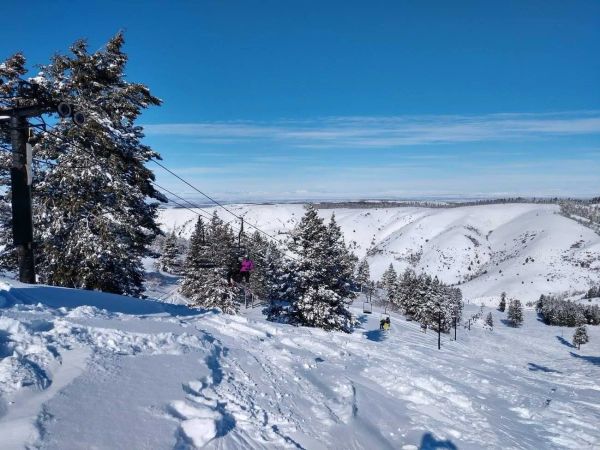
Kelly Canyon, Idaho, Adds Snowmaking, a Bigger Terrain Park and More Parking for 2026-27
Kelly Canyon had a rough 2025-26, and the Idaho resort has spent the summer making sure it doesn’t repeat. Snowmaking now reaches the top of Goldrush, the terrain park is doubling in size with a stereo system, lights and a snack shack, and the car park is getting bigger. Grooming is stepping up too. Target opening is December 4, conditions permitting.
9 Oct 2026
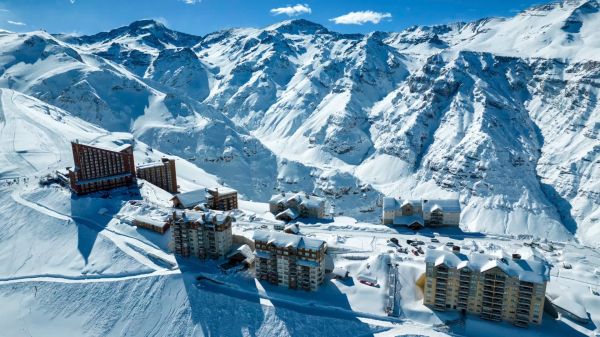
Valle Nevado Extends Season to November 8 After 108 cm in 48 Hours
Winter was meant to be winding down in Chile. Then Valle Nevado took 108 cm in 48 hours in early October, and the resort has pushed its closing date out to November 8 - its latest in 38 years of operation. That makes 143 days of skiing since opening day on June 19, with 690 cm banked for the season. Only part of the mountain is running while the storm settles, so check the mountain report before you plan a trip.
9 Oct 2026
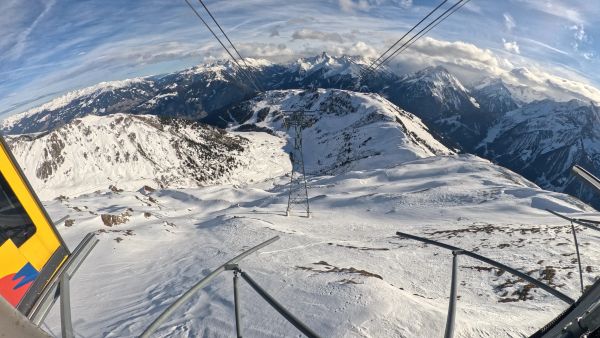
Alps Snow Forecast: Cold Front Brings Thursday Snow to the High Alps
The Alps look a lot more like winter today, for a day or so. A cold front is moving west to east, dropping up to 35 cm on high glaciers and peaks, with snow levels falling to around 1,500-1,800 m at times. Don’t plan a trip around it: mid-elevation snow will be thin and wet, every area is closed bar a limited Sölden glacier opening tomorrow, and warmer weather returns by Monday.
8 Oct 2026
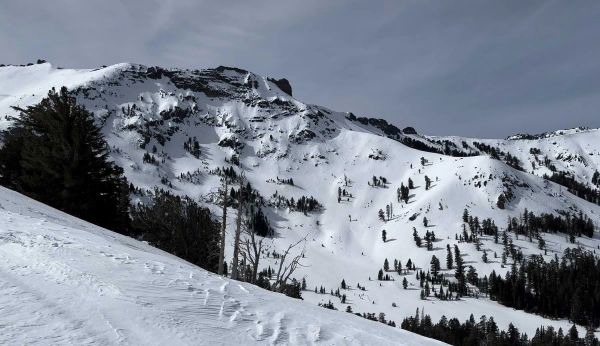
California Ski Resort Opening Dates 2026-27: Mammoth Leads, Tahoe Follows
Mammoth Mountain is first up in California, targeting Friday 13 November after a dusting of September snow. Heavenly and Northstar follow on 20 November, Palisades Tahoe on Wednesday 25 November and Sugar Bowl on 27 November, with Kirkwood on 4 December and June Mountain on 19 December. Plenty of smaller areas have no date yet. A super El Niño favours the Sierra, but a warmer storm track is the catch.
7 Oct 2026
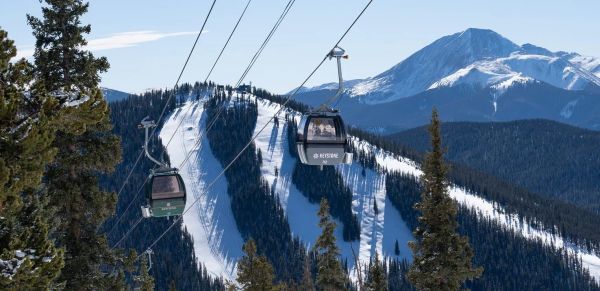
Colorado Ski Resort Opening Dates 2026-27: A-Basin and Keystone Race to Be First
Arapahoe Basin, Keystone and Winter Park are all chasing an October start, though none has a firm date yet. The first dated openers are Breckenridge and Copper on Friday 6 November, then Vail on 13 November, with most of the rest bunched around US Thanksgiving. Hesperus did not open at all last season. A super El Niño offers hope but no guarantee, and forecasters say the southern mountains have the better odds.
5 Oct 2026
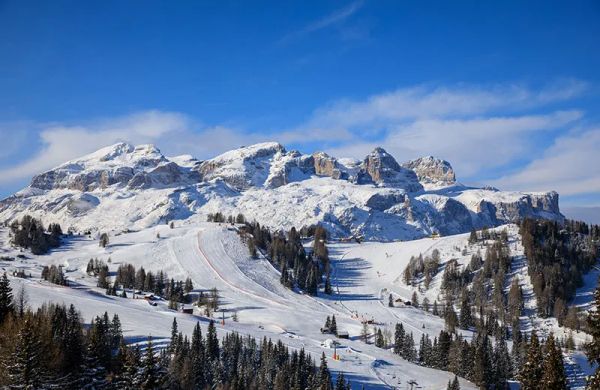
Dolomiti Superski 2026-27: Four New Gondolas, New Reservoirs and an €89 Peak Day Pass
Dolomiti Superski is spending around €100 million across its 12 areas before winter. Kronplatz gets a new 10-passenger gondola with a middle station, 3 Zinnen gets Helmissimo, and Val di Fassa swaps a chairlift for a gondola above Col Valvacin. New water-storage basins and upgraded snowmaking follow, and construction has started on the San Martino to Passo Rolle link. A peak adult day pass is €89.
4 Oct 2026
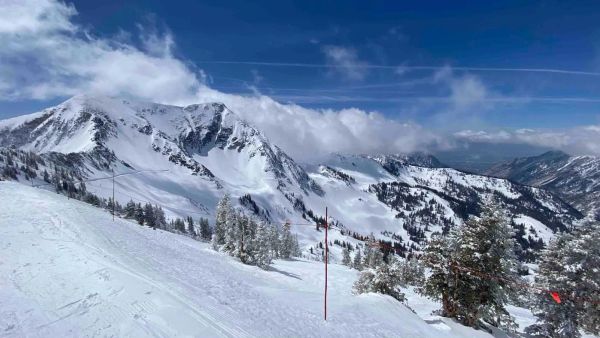
Utah Ski Resort Opening Dates 2026-27: Brian Head First, Eagle Point Out
Brian Head is targeting 6 November, though last year it aimed for 7 November and did not open until the 25th. Park City, Alta and Solitude are pencilled in for 20 November, Snowbird and Snowbasin for 27 November, and Deer Valley for 5 December. Eagle Point will stay closed after the Cottonwood Fire. A super El Niño is forecast, but the big snow is not expected until January.
4 Oct 2026
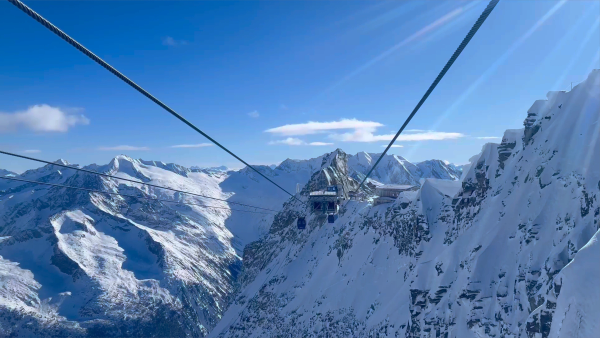
Hintertux Glacier Opens for 2026-27 With 12 Kilometres of Piste
Hintertux became Austria's second glacier to open for 2026-27 on Friday 2 October, after the Pitztal Glacier. Twelve kilometres of piste are running around the Olperer and Gefrorene Wand, served by one gondola and two drag lifts, with the Betterpark also open. Lifts officially run 8:15 am to 4:30 pm, but skiing stops at 2 pm for now.
4 Oct 2026
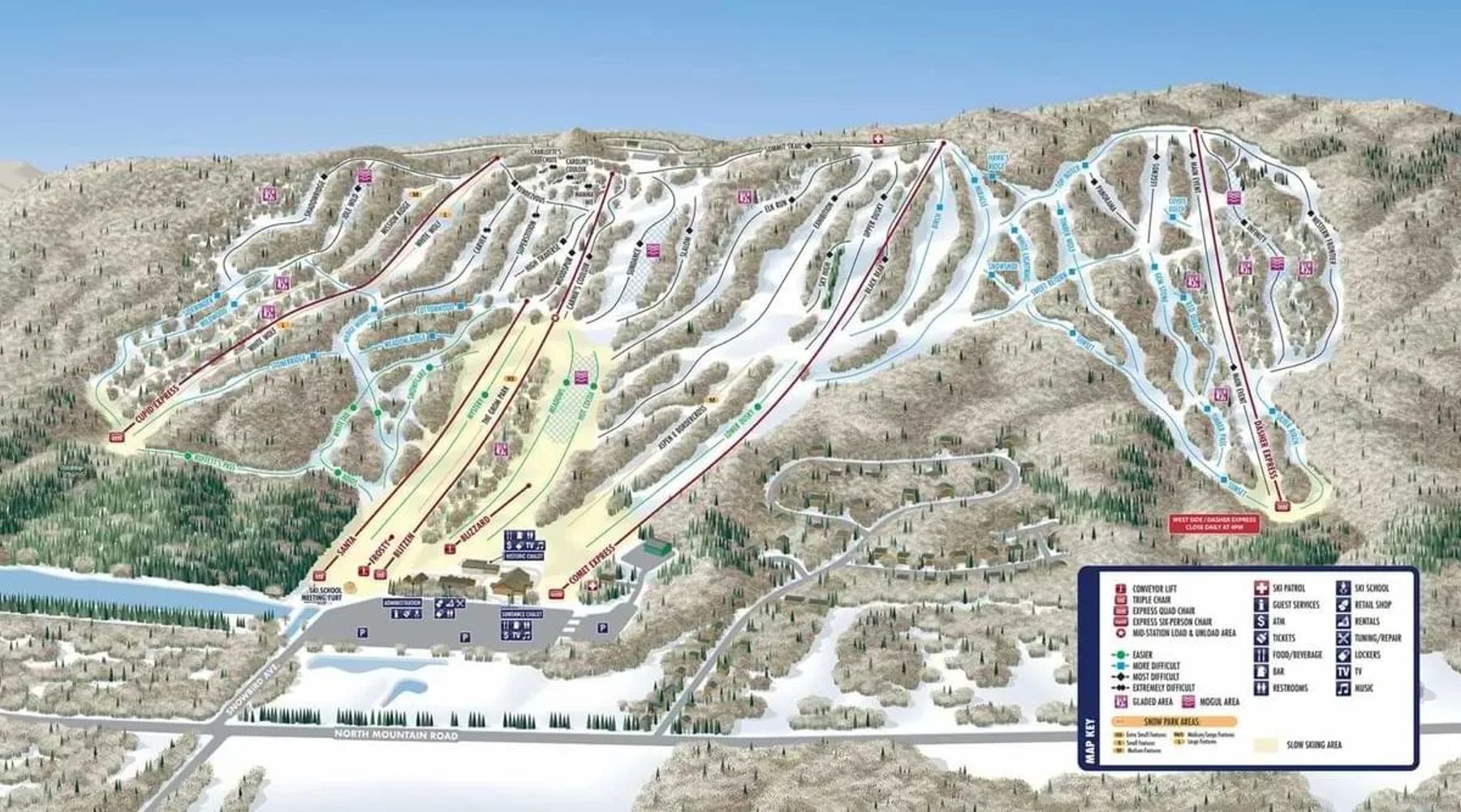
Granite Peak Trail Map
Downloadable Granite Peak trail map
Terrain split
58
runs
Beginner24%
Intermediate24%
Advanced45%
Expert7%
155 acres skiable63 hectares
Resort Stats
Elevation
Base1,243ft
Summit1,942ft
Annual snowfall
5ft
Season
2026 - 2027
27 Nov 2026 - 4 Apr 2027
Trail coverage
58 runs
155 acres (63 ha)
About Granite Peak's trail map
Explore Granite Peak's full trail map with 58 runs across the mountain, colour-coded by difficulty and shown alongside the terrain split. Use it to plan a day that matches your ability, find lift-served pockets of your favourite grade, and see how the resort links together. Download the piste map (PDF) ↗
More Granite Peak intelligence: snow report, lift system, webcams, resort overview.