
The Overview
Michael Fulton
Melbourne-based skier and snowboarder with 50+ resorts across 5 continents. Specialises in Australian resorts and international resort comparisons.
Sleeping Giant's summit reaches 7,428 feet, dropping 810 vertical feet to a base at 6,617 feet across 48 runs spread over 184 acres just outside Yellowstone National Park's East Gate. Terrain splits 37 per cent intermediate, 35 per cent advanced, 15 per cent beginner and 13 per cent expert. Average annual snowfall reaches roughly 500 inches, among the highest totals of any ski area in Wyoming. The area has not run lifts for skiing since 2023 and is in the advanced stages of a sale to a new owner.
Three lifts, a double chair, a T-bar and a surface lift, historically served the mountain's 48 runs across the 810-foot vertical drop. The 35 per cent advanced and 13 per cent expert terrain share gave Sleeping Giant a steeper profile than its modest size suggested. Night skiing operated on Saturdays when the area was running, an unusual offering for a small Wyoming ski hill. The exceptional snowfall reflects the area's position near Yellowstone's high, snowy interior plateau.
Sleeping Giant dates to 1936, making it the eighth-oldest ski area in the United States, originally established as the Red Star Camp before taking its current name in 1938. The area closed in 2004 after its T-bar was found unsafe with no funds available to repair it, reopening in 2007 under the nonprofit Yellowstone Recreations Foundation following an 800,000 US dollar community fundraising campaign. It has been closed for skiing for the past three winters. Dallas-based HMH Capital is in advanced stages of purchasing the property, with reported plans to redevelop it as a summer recreation park rather than reopen it for skiing.
Given the current closure and pending sale, Sleeping Giant should not be treated as a bookable ski destination for the 2026-27 season pending confirmation of new ownership's plans. Historically, the area carried no multi-resort pass affiliation and operated as an independent, locally supported ski hill. If new ownership does reopen the area for skiing, its unusually high snowfall and varied terrain would make it a notable addition to Wyoming's smaller ski areas again. Visitors should check current status directly before planning a trip.
810ft
Vertical
48
Runs
184 acres
Skiable
42ft
Annual snow
The Terrain
48 runs across 184 acres skiable
Sleeping Giant is a compact ski area at Yellowstone's East Gate, with 184 acres (74 hectares) of terrain on a mountain that rises from 6,620 ft (2,017 m) to 7,430 ft (2,264 m), a vertical of 810 ft (247 m). Across 48 runs, 37% are intermediate, 35% advanced, 15% beginner and 13% expert, a steeper profile than the small footprint suggests. A double chair, a T-bar and a surface lift cover the mountain. Operations have been uncertain in recent seasons, so check the current status before planning a visit.
Beginners start on gentle slopes such as Little Cub and Bunny Hop beside the base. Intermediates can roll down Elk Run and Big Horn, while Grizzly and Cougar Ridge provide the steeper pitches on the upper mountain. Ungroomed runs such as Avalanche and Deadwood Glade bring tight trees and natural drops, and the glades off Sheepeater are worth seeking out. It is a small hill with a genuine mix of terrain, best suited to local skiers, families and anyone combining a Yellowstone trip with a few relaxed laps rather than a full ski holiday. Treat it as a short, scenic outing.
Terrain split
48
runs
48 runs across 4 grades
Beginner7 runs · 15%
Intermediate18 runs · 37%
Advanced17 runs · 35%
Expert6 runs · 13%
Time it right
When to visit Sleeping Giant
When operating, Sleeping Giant's season historically ran from early December through late March, similar to other small Wyoming ski areas at this elevation. The area has been closed for skiing for the past three winters, so no season currently operates. The high base elevation of 6,617 feet and exceptional local snowfall supported a reliable season length in past years. Any future season would depend on the outcome of the area's pending sale.
Average annual snowfall of roughly 500 inches ranks among the highest in Wyoming, a product of the area's position near Yellowstone's snowy interior plateau close to the park's East Gate. This natural snowfall made the area reliably deep in past operating seasons without heavy reliance on snowmaking. Base depth and season totals are not currently tracked given the area's closed status. The snowfall potential remains a notable asset should the area reopen under new ownership.
In past operating years, January and February offered the most reliable powder conditions, consistent with the broader Yellowstone-area storm pattern. Night skiing ran on Saturdays until 7pm when the area was open, giving Cody-area locals an after-work option. Late-season visits in March historically saw conditions vary with spring snowpack. None of this currently applies while the area remains closed for skiing.
Sleeping Giant's event calendar and night skiing programming have been dormant since the area's most recent closure. Dallas-based HMH Capital is reported to be planning a summer recreation park for the property, with a 2027 target, rather than a ski season reopening. Should new ownership choose to reopen lifts for winter use, the area's history of community fundraising, including the 2007 'Wake Up the Giant' campaign, shows local appetite for keeping it running. Current visitors should confirm operating status directly before planning any winter trip.
Season 2026 - 2027
27 Nov 2026
Opens
14 Mar 2027
Closes
107
Days open
42 ft
Annual snow
Getting there
Getting to Sleeping Giant, and where to stay
Sleeping Giant sits at the East Gate of Yellowstone National Park, roughly 50 miles west of Cody, Wyoming, with a base elevation of 6,617 feet. The summit reaches 7,428 feet across an 810-foot vertical drop over 184 acres. The area sits within the Shoshone National Forest, immediately adjacent to Yellowstone's boundary. This location gives it some of the most Yellowstone-proximate skiing terrain of any Wyoming ski area, historically.
Cody, Wyoming, is the nearest town of any size, 50 miles east along the North Fork Highway. The neighbouring Shoshone Lodge has operated alongside the ski area since its earliest years as Red Star Camp in the 1930s. The East Gate area sits well outside Cody's town limits, in a remote, forested stretch of highway leading into Yellowstone. This isolation has historically limited casual day-trip visitation compared with ski areas closer to towns.
The North Fork Highway (US-14/16/20) provides the only paved access route, running directly past the ski area en route to Yellowstone's East Entrance. The drive from Cody takes roughly an hour under normal winter conditions. Winter driving on this stretch can include snowpack and wildlife on the road, given the route's position through the Shoshone National Forest. No public transport service reaches the area, making a car essential for any visit.
Yellowstone Regional Airport in Cody is the nearest airport with scheduled commercial service, roughly 50 miles from the ski area. Billings Logan International Airport in Montana offers a larger range of connections, around two and a half hours away by road. Jackson Hole Airport sits considerably further south, making it a less practical option for this part of northwestern Wyoming. Most visitors historically combined a Sleeping Giant visit with a Yellowstone trip through the East Gate rather than a standalone ski journey.
Where to stay
Search all stays →Hotels and lodges near Sleeping Giant, powered by Stay22.
Latest News
From the SnowStash desk

Vermont Ski Resort Opening Dates 2026-27: Few Dates Set, Killington Waits on the Cold
Vermont's season is slow to take shape. Stratton is tentatively targeting 18 November and Sugarbush 21 November, while Pico has Friday 11 December on the calendar. Killington never sets a date and opens when the snowmaking allows, and Vail Resorts has yet to name days for Stowe, Okemo and Mount Snow. The forecasts disagree about snow, and the main El Niño worry for the Green Mountains is warmth.
9 Oct 2026
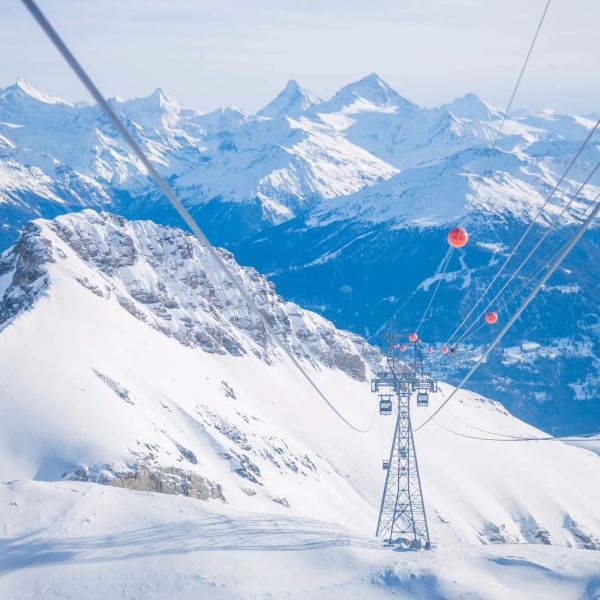
Crans-Montana 2027 World Championships President Resigns Ahead of Fraud Hearing
Less than four months out from the Crans-Montana 2027 World Championships, the man running the organising committee has stepped down. Claude-Alain Schmidhalter resigned as Swiss-Ski vice president and OC president after being indicted over a business dispute unrelated to skiing. He denies the allegations and faces court on October 27. Interim leaders are in place for the February 1-14 event.
9 Oct 2026
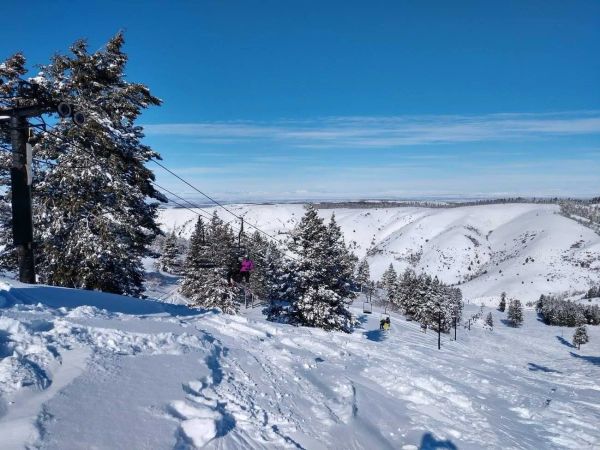
Kelly Canyon, Idaho, Adds Snowmaking, a Bigger Terrain Park and More Parking for 2026-27
Kelly Canyon had a rough 2025-26, and the Idaho resort has spent the summer making sure it doesn’t repeat. Snowmaking now reaches the top of Goldrush, the terrain park is doubling in size with a stereo system, lights and a snack shack, and the car park is getting bigger. Grooming is stepping up too. Target opening is December 4, conditions permitting.
9 Oct 2026
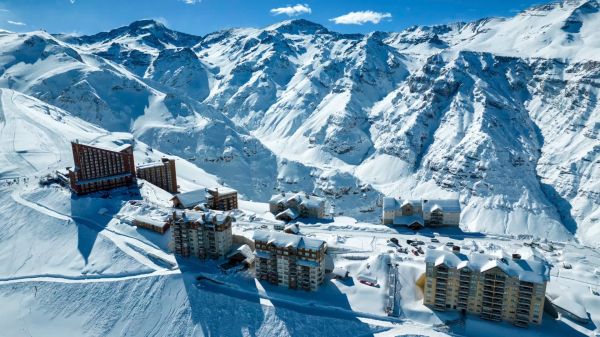
Valle Nevado Extends Season to November 8 After 108 cm in 48 Hours
Winter was meant to be winding down in Chile. Then Valle Nevado took 108 cm in 48 hours in early October, and the resort has pushed its closing date out to November 8 - its latest in 38 years of operation. That makes 143 days of skiing since opening day on June 19, with 690 cm banked for the season. Only part of the mountain is running while the storm settles, so check the mountain report before you plan a trip.
9 Oct 2026
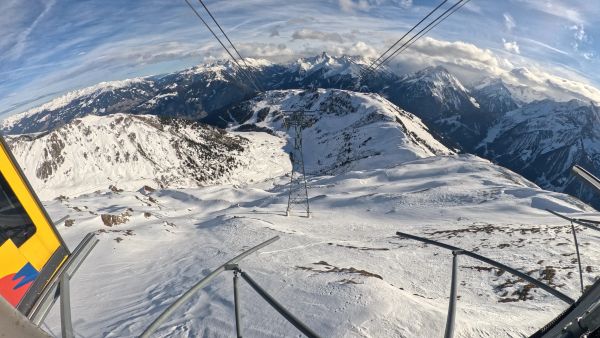
Alps Snow Forecast: Cold Front Brings Thursday Snow to the High Alps
The Alps look a lot more like winter today, for a day or so. A cold front is moving west to east, dropping up to 35 cm on high glaciers and peaks, with snow levels falling to around 1,500-1,800 m at times. Don’t plan a trip around it: mid-elevation snow will be thin and wet, every area is closed bar a limited Sölden glacier opening tomorrow, and warmer weather returns by Monday.
8 Oct 2026
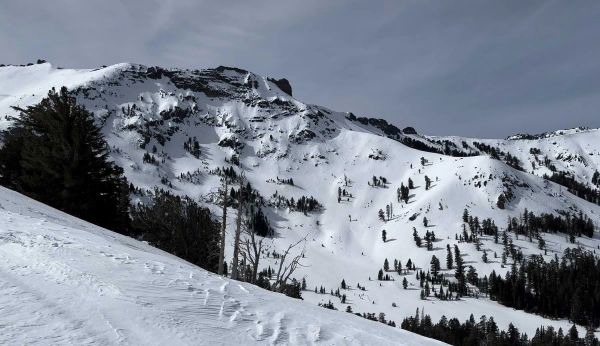
California Ski Resort Opening Dates 2026-27: Mammoth Leads, Tahoe Follows
Mammoth Mountain is first up in California, targeting Friday 13 November after a dusting of September snow. Heavenly and Northstar follow on 20 November, Palisades Tahoe on Wednesday 25 November and Sugar Bowl on 27 November, with Kirkwood on 4 December and June Mountain on 19 December. Plenty of smaller areas have no date yet. A super El Niño favours the Sierra, but a warmer storm track is the catch.
7 Oct 2026
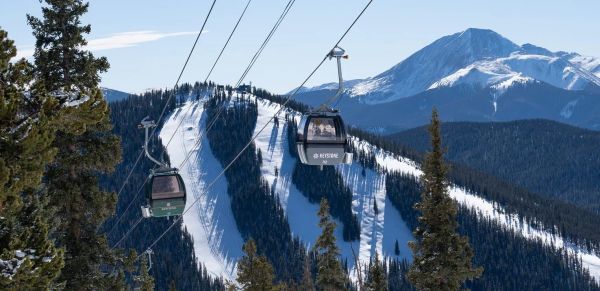
Colorado Ski Resort Opening Dates 2026-27: A-Basin and Keystone Race to Be First
Arapahoe Basin, Keystone and Winter Park are all chasing an October start, though none has a firm date yet. The first dated openers are Breckenridge and Copper on Friday 6 November, then Vail on 13 November, with most of the rest bunched around US Thanksgiving. Hesperus did not open at all last season. A super El Niño offers hope but no guarantee, and forecasters say the southern mountains have the better odds.
5 Oct 2026
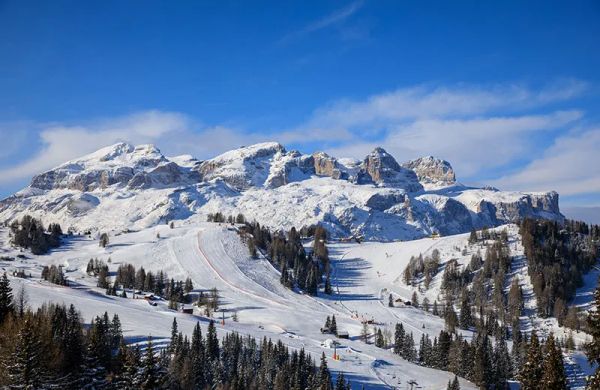
Dolomiti Superski 2026-27: Four New Gondolas, New Reservoirs and an €89 Peak Day Pass
Dolomiti Superski is spending around €100 million across its 12 areas before winter. Kronplatz gets a new 10-passenger gondola with a middle station, 3 Zinnen gets Helmissimo, and Val di Fassa swaps a chairlift for a gondola above Col Valvacin. New water-storage basins and upgraded snowmaking follow, and construction has started on the San Martino to Passo Rolle link. A peak adult day pass is €89.
4 Oct 2026
Sleeping Giant Webcams
2 live angles across the mountain. Tap any camera to go full-screen.
About Sleeping Giant's live webcams
Check live conditions across Sleeping Giant with 2 real-time webcams showing snow, weather, and lift operations, updated every 10 minutes. Check high-elevation cams for powder visibility and base-area cams for crowd levels before you head up.
Camera guide
- Base Lodge6,617ft
- This Sleeping Giant web cam oversees the main base area operations near Yellowstone National Park. Perfect for checking morning conditions and base area activity at Wyoming's historic ski resort.
- Sheepeater Lift6,617ft
- Monitoring the primary lift operations, this Sleeping Giant web cam provides essential viewing of conditions around the Sheepeater area. Ideal for checking snow coverage and visibility before heading to this charming mountain resort near Cody.
Sleeping Giant snow cams FAQ
How often do Sleeping Giant snow cams update?
All Sleeping Giant snow cams and webcams update every 10 minutes with fresh images showing current mountain conditions. This frequent update schedule ensures you have access to near real-time conditions for planning your ski day at Sleeping Giant.
Which Sleeping Giant webcam shows the best powder conditions?
The high-elevation Base Lodge webcam at 2,017m provides the clearest view of powder conditions and snowfall. These Sleeping Giant webcams capture fresh snow accumulation and visibility better than base area cameras.
Can I see Sleeping Giant lift queues on the webcams?
Yes. Multiple Sleeping Giant snow cams specifically show lift queue areas and chairlift operations, helping you time your arrival and avoid peak queue periods.
When is the best time to check Sleeping Giant snow cams?
Check Sleeping Giant webcams early morning (7-8am) for overnight snowfall assessment, and mid-afternoon for current crowd levels and weather. The live cams are most useful after storm events to assess fresh powder.
How can I check current conditions before buying Sleeping Giant lift tickets?
Use our Sleeping Giant webcams alongside the live snow report to assess conditions before purchasing lift tickets. The webcams show real-time visibility, snow quality, and operational status.
Do Sleeping Giant webcams work on mobile devices?
Yes. All Sleeping Giant snow cams and webcams are optimized for mobile viewing, so you can check live conditions from anywhere using your phone or tablet.
More Sleeping Giant intelligence: snow report, lift tickets, trail map, resort overview.