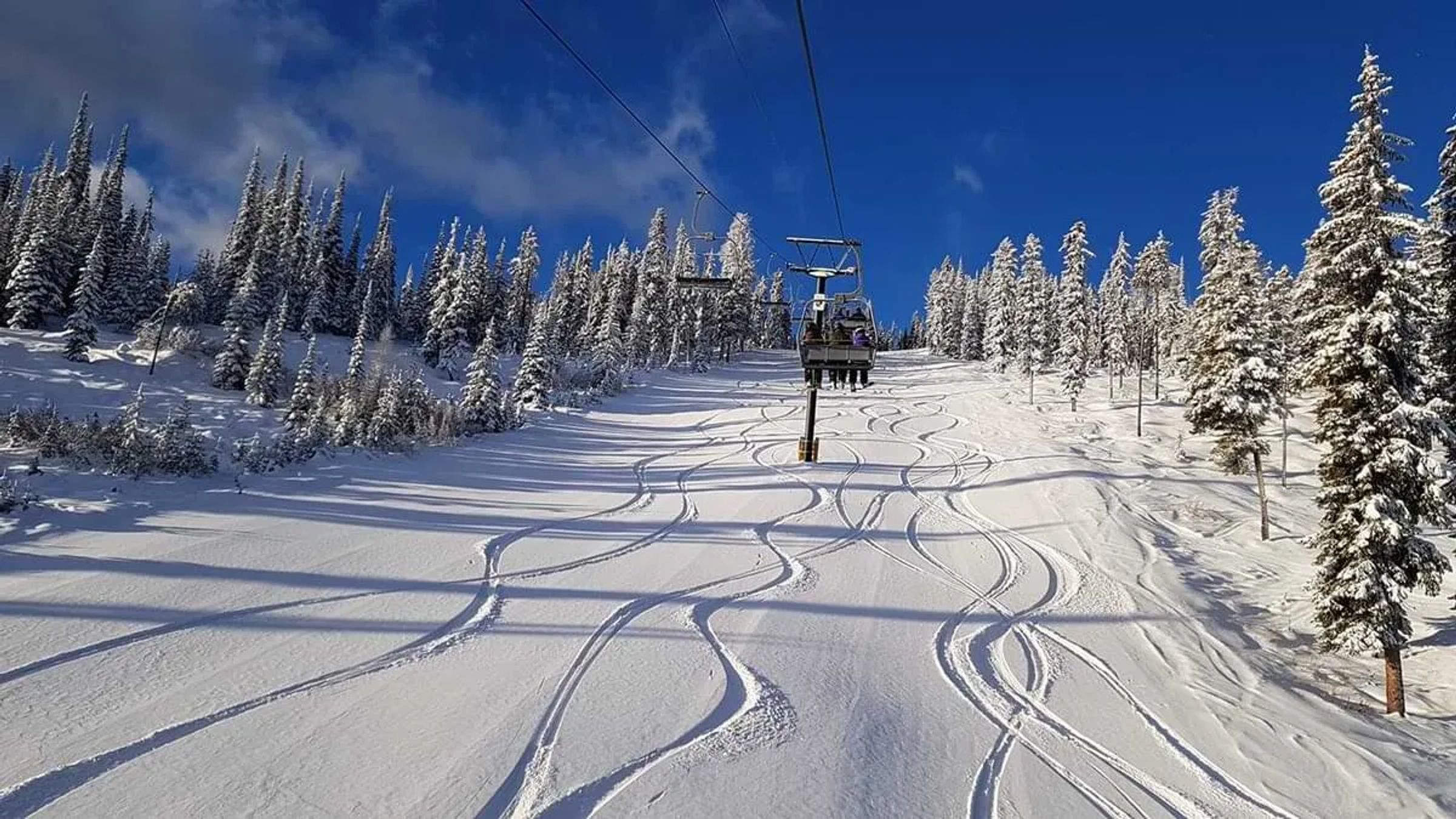
British Columbia, Canada · Epic
Kimberley
720 hectares, 80 runs near Kimberley. Abundant sunshine, long cruising runs, family-friendly, Epic Pass.
Season 2025 - 2026
Opens
13 Dec 2025
Closes
5 Apr 2026
Days open
113
Annual snow
4m
The Overview
Michael Fulton
Melbourne-based skier and snowboarder with 50+ resorts across 5 continents. Specialises in Australian resorts and international resort comparisons.
Kimberley's summit reaches 1,982 metres, dropping 752 vertical metres to a base at 1,230 metres across 80 runs spread over roughly 720 hectares near Kimberley, British Columbia. Terrain splits 42 per cent intermediate, 38 per cent advanced, 20 per cent beginner and no dedicated expert terrain, with average annual snowfall of roughly 3.9 metres. The resort carries Epic Pass affiliation. Five lifts, including one double chair, one quad chair and one triple chair, serve the mountain alongside one surface lift and one t-bar.
Kimberley holds a genuinely notable place among Canadian ski towns for its considerable sunshine, long marketed as among the sunniest ski destinations in British Columbia, and for a community rescue that saved the resort from closure in the late 1980s. Its long, cruising intermediate-and-advanced terrain has built Kimberley's reputation as a genuinely family-friendly Rockies destination.
The Kimberley Ski Resort Society, then a community-owned operation, was forced into bankruptcy in the late 1980s when interest rates climbed to 25 per cent. The City of Kimberley purchased the mortgage from the bank and took ownership of the hill, a move that saved more than 100 local jobs and kept the resort operating through a genuinely difficult period.
Resorts of the Canadian Rockies, founded in 1981 and today the largest private ski resort owner in North America, acquired Kimberley in the early 1990s alongside the adjacent Trickle Creek Golf Course and campground, and has operated it since. RCR's portfolio also includes Fernie, Kicking Horse and Nakiska. Adult daily tickets run from 139 to 159 Canadian dollars.
752m
Vertical
80
Runs
1,779 acres
Skiable
4m
Annual snow
Epic
Pass
The Terrain
80 runs across 1,779 acres skiable
Kimberley spreads 80 runs across 1,779 acres skiable of terrain. It leans intermediate at 42%, with 16 beginner runs to find your feet and 30 advanced or expert runs when you want to push.
Terrain split
80
runs
80 runs across 4 grades
Beginner16 runs · 20%
Intermediate34 runs · 42%
Advanced30 runs · 38%
Expert0 runs · 0%
Time it right
When to visit Kimberley
The 2025-26 season at Kimberley ran from 13 December 2025 to 5 April 2026, a roughly sixteen-week season supported by average annual snowfall of around 3.9 metres. The resort's considerable sunshine, among the most abundant of any BC ski destination, distinguishes its seasonal character from the wetter coastal resorts.
Midwinter, from December through February, typically brings the most consistent conditions to Kimberley's long, cruising terrain. As an Epic Pass resort through Resorts of the Canadian Rockies' partnership with Vail Resorts, Kimberley draws pass-holding visitors alongside families seeking a genuinely relaxed Rockies destination.
Kimberley's night-skiing programme and authentic mountain-town atmosphere continue to draw strong visitation throughout the season. School holiday periods bring substantial family visitation given the resort's approachable terrain mix and considerable sunshine.
Specific event programming beyond standard operations and night skiing is not confirmed in available resort information. Since Resorts of the Canadian Rockies' acquisition in the early 1990s, Kimberley has continued building on its community-rescued history following the Kimberley Ski Resort Society's late 1980s bankruptcy. The resort's sunny reputation and family-friendly terrain remain central to its enduring appeal.
Season 2025 - 2026
13 Dec 2025
Opens
5 Apr 2026
Closes
113
Days open
4 m
Annual snow
Getting there
Getting to Kimberley, and where to stay
Kimberley sits near Kimberley, British Columbia, in the Purcell Mountains, with a base elevation of 1,230 metres and a summit at 1,982 metres across a 752-metre vertical drop over roughly 720 hectares. This setting places the resort in the East Kootenay region, close to the Alberta border.
The town of Kimberley itself, known for its Bavarian-themed downtown and considerable sunshine, offers extensive lodging and dining within a short drive of the resort.
British Columbia Highway 95A provides direct access to the resort from Kimberley. Winter driving conditions on this route can include snow and ice, though the well-travelled road is regularly maintained given the resort's status as a significant regional destination.
Calgary International Airport, roughly a three-and-a-half-hour drive away, is the primary gateway for visitors flying into the region, with Kimberley's considerable distance from major population centres drawing a genuinely dedicated regional visitor base.
Where to stay
Search all stays →Hotels and lodges near Kimberley, powered by Stay22.
Latest News
From the SnowStash desk
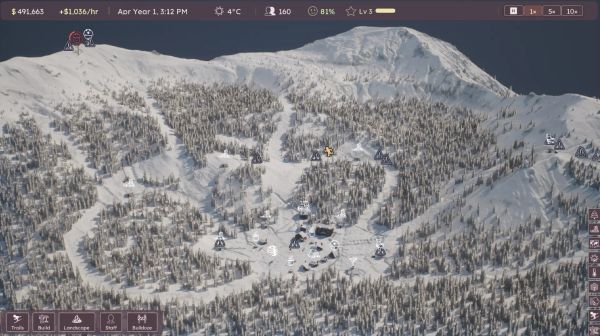
Ski-E-O! Is the Ski Resort Tycoon Game We Didn't Know We Needed
I'm not a gamer. I'm a skier and snowboarder who happens to have a laptop. So when a ski resort management game called Ski-E-O! landed on Steam, I wasn't expecting to lose an afternoon to it - but here we are. Real mountain terrain, a full weather system, storms that roll in and wreck your snow base, avalanche danger, and enough depth to make RollerCoaster Tycoon feel simple by comparison. Early access lands in November. Here's what a few hours in the free demo actually looks like.
23 Aug 2026
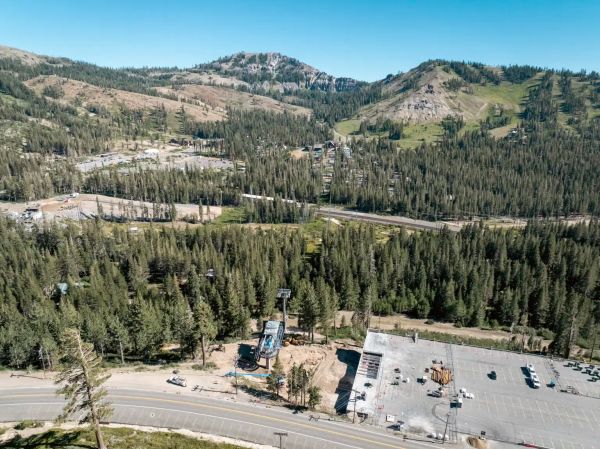
Sugar Bowl, California, Rebuilds Its Historic Village Gondola
The rumours are true: Sugar Bowl is tearing out its Emerald gondola, in place since 1983, and replacing it with a new 8-person Doppelmayr system - nearly doubling uphill capacity to 1,800 people an hour. It's the fourth generation of a gondola line that dates back to 1953, when Sugar Bowl became the first resort on the West Coast to run one at all, and it's just one piece of a $100 million overhaul touching lodges, parking and snowmaking. Here's what's changing, and what's staying the same.
23 Aug 2026
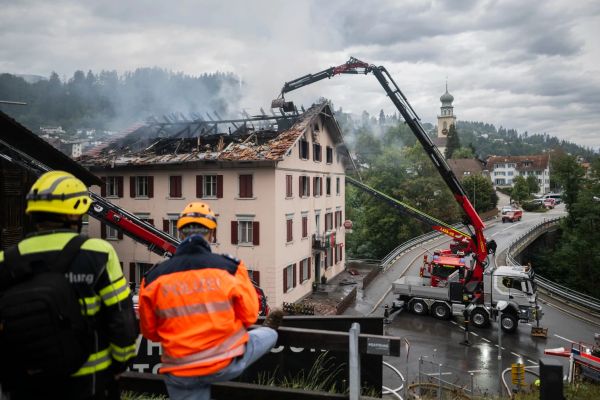
Two Confirmed Dead as Search Continues After Swiss Alps Fire
The death toll from Thursday night's fire at Restaurant Beverin in Thusis, Switzerland, has begun to firm up. One Swiss outlet, citing Graubünden Cantonal Police, reports that two of the five people initially reported missing have now been confirmed dead, leaving three unaccounted for. The building's collapsed stairwell and structural instability have slowed recovery efforts throughout. Here's what's changed since the fire broke out, and what's still unconfirmed.
22 Aug 2026
Selwyn Snow Resort Closes Early as Rain Ends Its 2026 Season
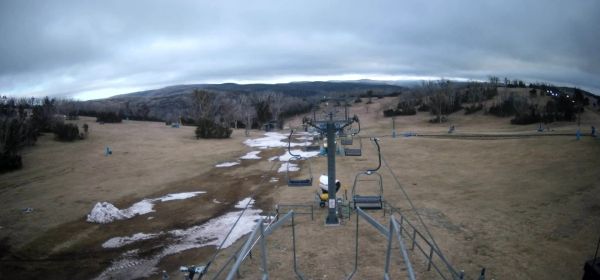
Selwyn Snow Resort has called an early end to its 2026 season, a day after Victoria's Mount Baw Baw did the same. Rain on Thursday stripped what was left of the snowpack, and the cold nights needed to rebuild it through snowmaking never arrived. It's a rough result for a resort that only just found its footing again after being burned to the ground in the 2019-20 Black Summer bushfires and a multi-year rebuild. Here's how the season fell apart, and where Selwyn's been since the fire.
22 Aug 2026
Mt Baw Baw Becomes First Australian Resort to Close for 2026
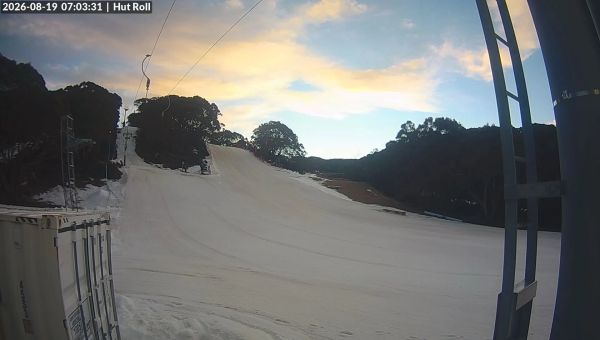
Mt Baw Baw is calling time on its 2026 season this Sunday at 5pm, becoming the first Australian resort to close for the year after warm spells and rain wore through its snowpack. Lifts stop, but the resort stays open, entry fees get waived, and there's one last Bollywood Weekend before the lights go out. Fifty-seven days after opening, here's how the season ended and what it means for the rest of Australia's struggling snowpack.
21 Aug 2026
Arosa to Replace 40-Year-Old Hörnli Lifts With New Gondola and Chair
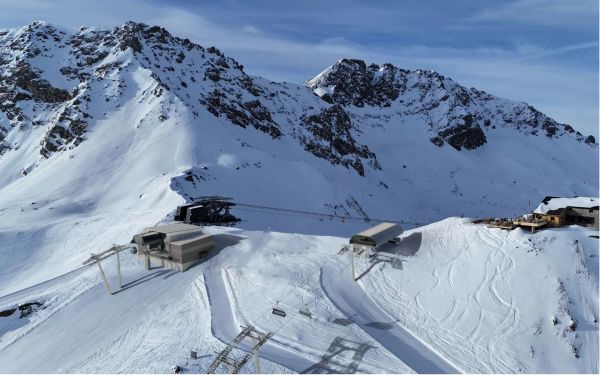
Arosa's Hörnli sector is getting its biggest overhaul in decades. The 1986 gondola and 1994 chairlift linking toward Lenzerheide are both being replaced, with capacity up, tower count down and a new base station lower on the hill. At roughly CHF 67 million, it is the largest single investment Arosa Bergbahnen has ever made - and the target opening has already slipped a year, to December 2028. Here is what is changing, and why the timeline moved.
20 Aug 2026
Sundance Mountain Resort Is Getting a New High-Speed Quad and More Back Mountain Terrain This Winter
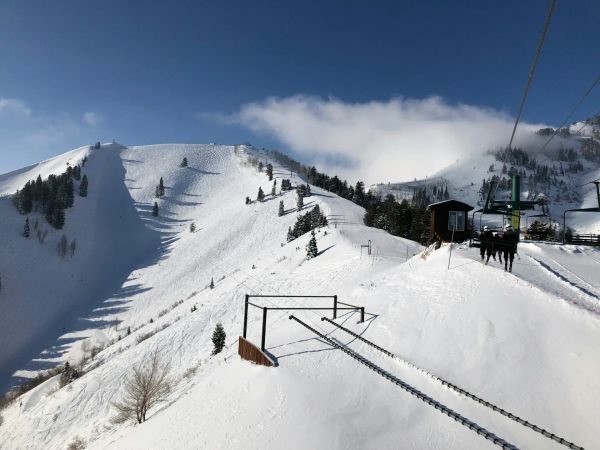
Sundance Mountain Resort's back mountain is finally getting a proper lift. The Electric Horseman Express opens for 2026-27, unlocking a new bowl next to Bishop's Bowl and three expert gladed chutes across roughly 105 fresh acres - on top of the Storyteller ridge run that debuted in preview form last season. It's Sundance's biggest expansion since 1985, and it turns a three-lift slog into a single six-minute ride to Bearclaw Summit.
19 Aug 2026
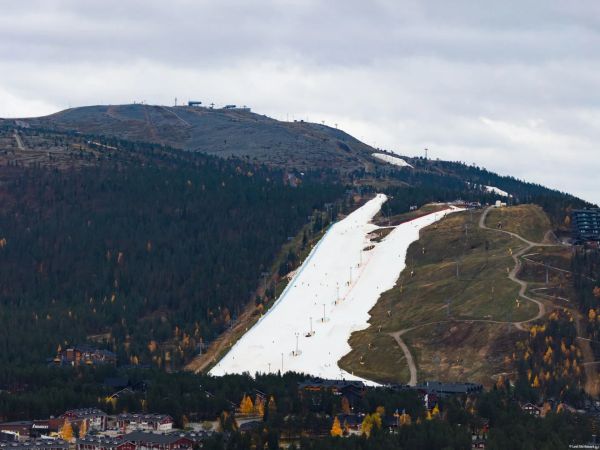
Levi and Ruka Confirm October 2 Opening on Farmed Summer Snow
Finland's Levi and Ruka open for the 2026-27 season on October 2, more than seven weeks before most of Europe sees a lift turn. Neither resort is waiting on autumn snowfall - both are skiing on snow buried since last spring, insulated through the Finnish summer and dug back out for opening day. It is not a shortcut. It is a decades-old system now spreading from the Arctic Circle to Idaho, Utah, Vermont and Colorado. Here is how snow farming actually works, and why it is catching on.
19 Aug 2026
Trail map & terrain
Terrain split
80
runs
Beginner20%
Intermediate42%
Advanced38%
Expert0%
1,779 acres skiable720 hectares
Resort Stats
Elevation
Base1230m
Summit1982m
Annual snowfall
4m
Season
2025 - 2026
13 Dec 2025 - 5 Apr 2026
Trail coverage
80 runs
1,779 acres (720 ha)
Kimberley ski trails
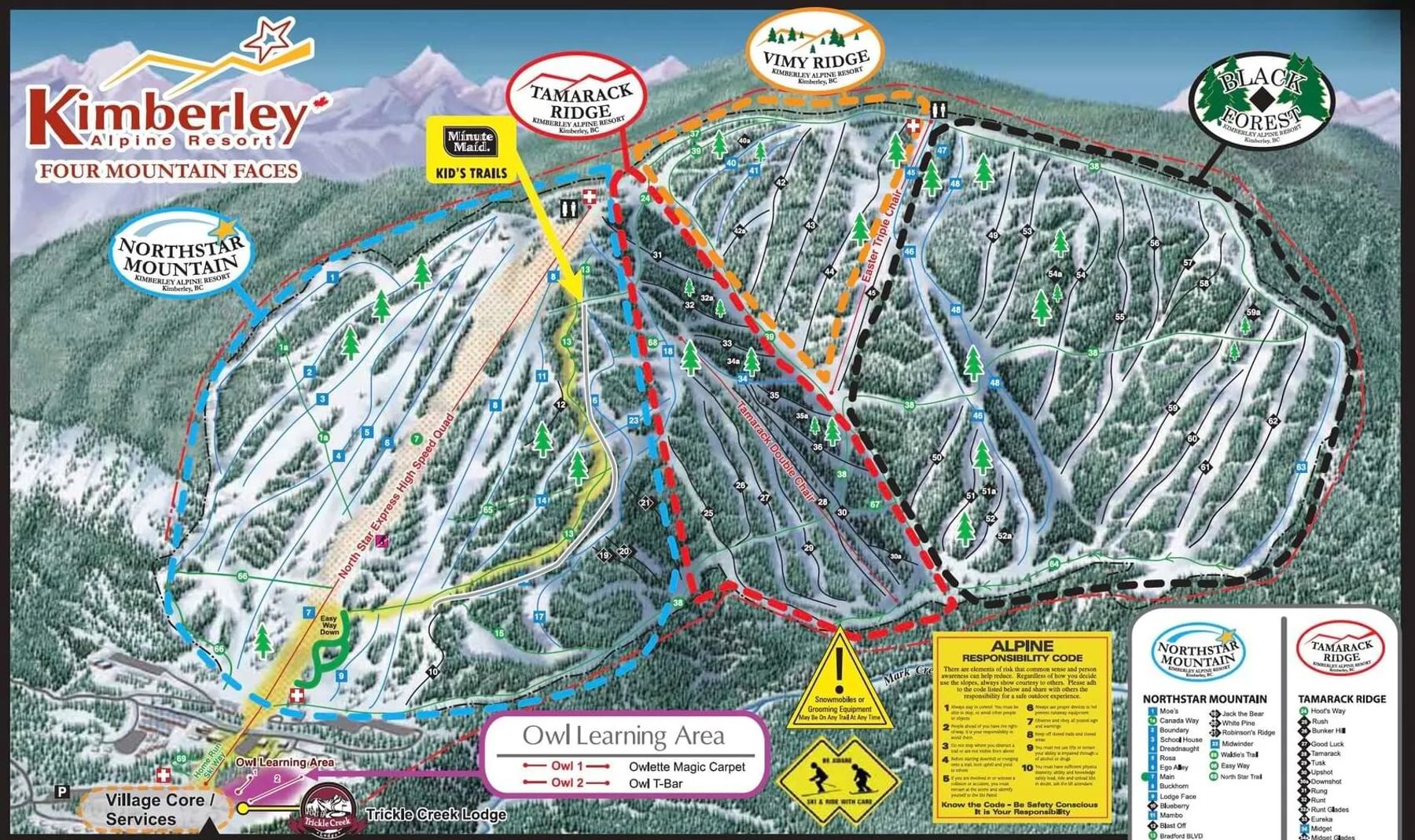
Kimberley offers 80 runs across a mix of difficulties. The terrain split and trail map here show how the mountain breaks down so you can plan a day that suits your group.
- • Match runs to your ability - the terrain split shows how much of Kimberley is beginner, intermediate and advanced.
- • Check grooming and open-run status against the live conditions before committing to the upper mountain.
- • Early season and after fresh snow, favour the lifts serving your preferred grade to make the most of the day.
More Kimberley intelligence: trail map, lift system, resort overview.