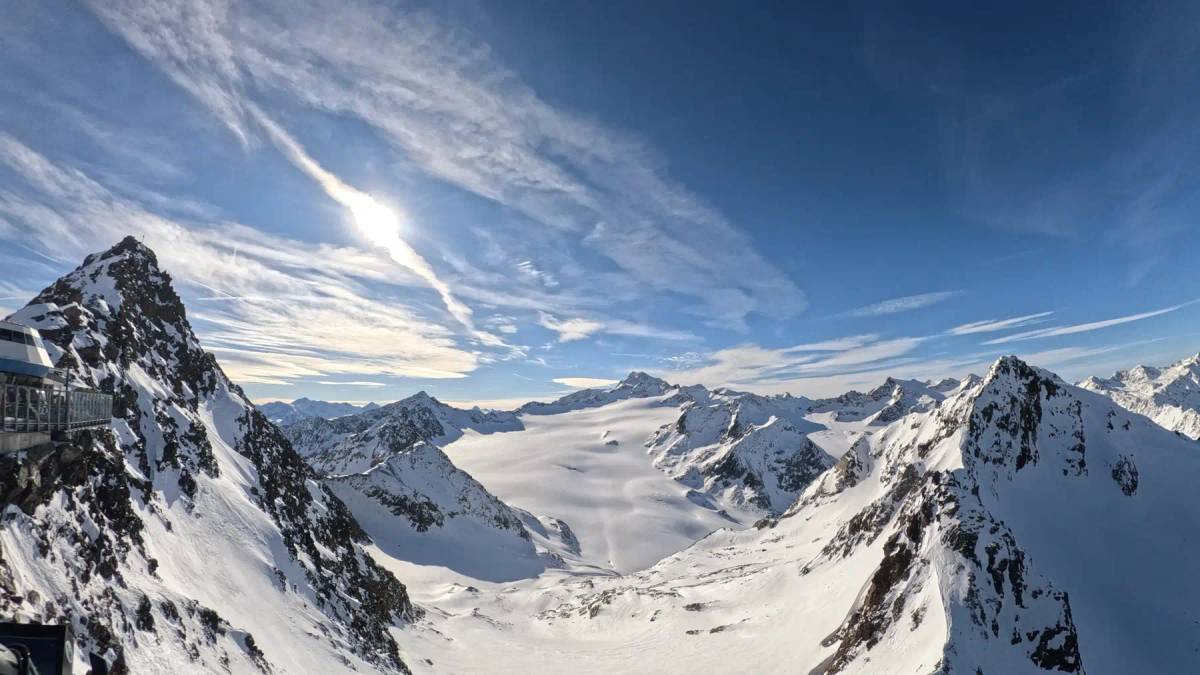
Sölden
Explore Solden's year-round glacier skiing and vibrant atmosphere. Experience high-altitude reliability, modern lifts, and dramatic Alpine scenery.

Season 2026 - 2027
Opens
9 Oct 2026
Closes
2 May 2027
Days open
205
Annual snow
5.5m
Expert review
Michael Fulton
Melbourne-based skier and snowboarder with 50+ resorts across 5 continents. Specialises in Australian resorts and international resort comparisons.
Austria’s Colossal Alpine Giant That Redefines “Big”
When North Americans boast about their massive ski resorts, they haven’t experienced Sölden. This Austrian colossus spans an astounding 8,190 acres—larger than both Park City and Whistler Blackcomb individually—yet it’s considered merely “medium-sized” by Austrian standards. After exploring 31 lifts, 3 peaks above 3,000m, 2 glaciers, and 145km of pistes across two intensive days, I can confidently say Sölden doesn’t just challenge the definition of “big”—it obliterates it.
Why Sölden Stands Apart: The Scale That Stuns
Most skiers think they understand big mountains until they encounter Sölden’s sheer scope. Using precision mapping, we’ve confirmed what locals know: this resort is genuinely massive. The journey from base to glacier involves at least three gondolas and two chairlifts with minimal skiing between connections. This isn’t inefficiency—it’s geography. Sölden sprawls across such vast terrain that it feels like three distinct resorts operating under one lift ticket.
The statistics tell the story: 15km of connected skiing from Austria’s highest lift-accessed point at 3,340m down to 1,363m—that’s 1,977m of vertical in a single run. This isn’t just Austria’s longest connected ski run; it’s a leg-burning odyssey that redefines what “top-to-bottom” means.
1990m
Vertical
45
Runs
147 km
Piste
5.5m
Annual snow
Watch
See Sölden in motion
The Terrain
45 runs across 147 km of piste, read by zone
Three Mountains in One
Giggijoch Zone: The Confidence Builder
Best for: Beginners to intermediates, families, first-time Sölden visitors
Starting from the main Giggijoch base area, Europe’s fastest gondola whisks you into terrain that’s deceptively forgiving. The wide, well-groomed runs here build confidence quickly, but don’t let the gentle introduction fool you—venture onto the wrong chairlift and you’ll find yourself committed to advanced terrain with no escape routes.
Key runs to know:
- Warm-up circuits: Perfect for morning preparation
- Piste 19: The main route back to base—longer and more challenging than it appears
- Piste 22: A short, steep advanced surprise that catches many off-guard
- Fun Park area: Excellent for families and beginners wanting park experience
Insider strategy: This zone works perfectly for morning warm-ups before tackling the glaciers. The magic carpet connector provides unique glacier views as you glide past genuine thousand-year-old ice.
Terrain split
45
runs
45 runs across 4 grades
Beginner21 runs · 47%
Intermediate14 runs · 30%
Advanced7 runs · 15%
Expert4 runs · 8%
How it compares
Where Sölden sits in the landscape
Within the Ötztal Valley alone, Sölden operates alongside Hochgurgl and Obergurgl, yet dwarfs both in scale and glacier access. While those resorts offer more intimate, traditional Austrian experiences, Sölden delivers the valley’s only true big-mountain skiing with glacier reliability.
- vs. Innsbruck area resorts: Sölden’s glacier terrain and sheer scale make it the obvious choice for serious vertical and snow guarantee, though resorts like Stubai offer easier day-trip access from the city.
- vs. other regions: St. Anton and other Arlberg resorts provide more challenging off-piste terrain, but Sölden counters with higher elevation, longer seasons, and family-friendly glacier access.
International Mountain Comparisons - vs. French mega-resorts (Les Trois Vallées, Paradiski): Sölden matches their scale but delivers distinctly Austrian efficiency and mountain culture. The glacier access provides snow security that even high-altitude French resorts can’t guarantee.
- vs. Swiss giants (Verbier, Zermatt): Similar elevation profiles and glacier skiing, but Sölden offers better value and less crowded glacier terrain. Zermatt’s Matterhorn views trump Sölden’s vistas, but Sölden’s ski-through tunnel between glaciers creates unique experiences.
- vs. North American resorts: While Whistler and Park City offer more integrated village experiences, neither matches Sölden’s high-altitude glacier skiing or the 15km continuous descent. Sölden feels more like a mountain expedition than a resort experience.
Only here
What only Sölden offers:
- Ski tunnel connecting two separate glaciers
- Austria’s longest connected ski run (15km)
- Three peaks above 3,000m on one ticket
- James Bond filming locations with museum access
- Genuine thousand-year-old glacier ice visible from lifts
When others win
When competitors might be better:
- Seamless connectivity: Purpose-built resorts like Whistler flow more naturally
- Beginner focus: Smaller Austrian resorts provide less overwhelming first experiences
- Extreme terrain: St. Anton and La Grave offer more challenging off-piste options
- Quick access: Innsbruck-area resorts work better for day trips
International Perspective: How Sölden Measures Up
Having skied across five continents, Sölden’s scale genuinely impresses. While North American resorts tout their size, few offer Sölden’s combination of:
- Vertical diversity: 2,000m+ of skiing elevation
- Terrain variety: From glacier cruising to technical forest runs
- High-altitude guarantee: Two glaciers ensure snow reliability
- Alpine authenticity: Genuine European mountain culture
Honest comparison: Sölden’s interconnection feels less seamless than purpose-built North American resorts, but the trade-off delivers three distinct mountain experiences under one ticket.
The Verdict
“After two intensive days exploring every major zone, Sölden earns its reputation through sheer scale and variety. This isn’t a resort for quick weekend visits—it demands time to appreciate its full scope.”
Michael Fulton
Sölden’s Limitations
- Time commitment: Reaching glaciers requires significant lift time—plan accordingly.
- Complexity: The resort’s size can overwhelm first-time visitors.
- Weather dependency: Cloud cover at glacier elevations can limit visibility.
- Physical demands: The 15km descent tests even strong skiers’ endurance.
Choose Sölden if you want:
- Genuine big-mountain European skiing
- Glacier skiing experiences
- Multiple days of exploration without repetition
- Alpine culture combined with serious terrain
Look elsewhere if you prefer:
- Compact, easily navigable resorts
- Seamless mountain connectivity
- Quick après-ski access from every run
Bottom line: Sölden redefines what “big” means in skiing. It’s not just larger than North America’s giants—it’s more varied, more authentic, and more challenging to fully explore. That’s precisely what makes it extraordinary.
The resort doesn’t just offer skiing; it provides an alpine expedition. Come prepared for the scale, embrace the journey between zones, and discover why Austrians consider this merely “medium-sized”—it will forever change your perspective on what constitutes a big mountain.
Time it right
When to visit Sölden
Sölden's main winter season runs from September through May, with glacier skiing available beyond these dates. The combination of high altitude and two glacier areas ensures exceptional snow reliability throughout the season. Natural snowfall averages 300cm annually, while extensive snowmaking covers 67% of the ski area. The glaciers maintain skiable conditions year-round, making Sölden a popular destination for autumn training among international ski teams.
Season 2026 - 2027
9 Oct 2026
Opens
2 May 2027
Closes
205
Days open
5.5 m
Annual snow
The record
Historical snowfall at Sölden
Daily snow reports at Sölden go back to 1996, 31 winters on the books. Open the record to compare winters, lifts and piste.
48 cm
Snowiest day
9 Oct 2026
78 cm
This winter · 2026-27
so far
545 cm
Typical winter
average of complete seasons
Winter totals
cm
Past wintersThis winter
Plan your trip
Getting to Sölden, and where to stay
1
Seasonal Strategy
- Early season (October-November): Drive directly to Tiefenbach glacier base via mountain roads—skip the lift connections entirely.\
- Peak season (December-March): Plan full days in specific zones rather than attempting complete resort coverage.
- Late season (April-May): Glacier skiing remains excellent while lower terrain may be inconsistent.
2
Daily Efficiency Tips
- Morning approach: Start with Giggijoch warm-ups before committing to glacier journeys.
- Afternoon strategy: Use the 15km top-to-bottom run as your finale—it’s Austria’s longest and most rewarding descent.
- Weather adaptation: Fresh snow transforms the Gaislachkogl forest runs into powder paradise.
3
Navigation Realities
Sölden’s size creates unique challenges. The resort operates more like three connected mountains than one cohesive area. Embrace this reality by choosing your daily focus rather than attempting comprehensive exploration.
4
Base area strategy:
- Giggijoch: Traditional Austrian efficiency, fastest gondola access
- Gaislachkogl: Village atmosphere, more intimate mountain experience
Mountain Dining and Après-Ski Culture
5
On-Mountain Highlights
- Panorama Alm: The resort’s social epicenter featuring live DJs, fire cannons, and exceptional alpine views. Budget 30 minutes minimum—this isn’t a quick stop.
- Glacier restaurants: €18 pizza and Aperol represents fair mountain pricing with unbeatable altitude atmosphere.
- Phillips bar: Perfect finale location for reflecting on epic descents.
6
Village Experience
Sölden town offers authentic Austrian mountain culture without pretension. The charming valley setting provides excellent accommodation options and genuine local atmosphere.
Getting there
Sölden Ski Resort is located in the heart of the Ötztal Valley (Ötztal Alps) in the Austrian state of Tyrol. The resort sits within the municipality of Sölden, with the main village address being Dorfstraße 115, 6450 Sölden, Austria. The resort base and village are positioned 87 kilometres southwest of Innsbruck, making it accessible while maintaining its Alpine character. The nearest sizeable town is Imst, about 40 kilometres away, while the picturesque town of Oetz lies 20 kilometres down the Ötztal Valley. For major amenities and services, Innsbruck serves as the primary city, offering extensive shopping, healthcare, and cultural attractions. The drive from Innsbruck to Sölden typically takes about 1 hour and 15 minutes via the A12 motorway and the Ötztal road (B186). For international visitors, Innsbruck Airport is the most convenient gateway, located 83 kilometres from the resort. Alternative airports include Munich International Airport in Germany (236 kilometres away, about 3 hours by car) and Zurich Airport in Switzerland (330 kilometres away, about 4 hours by car). Regular shuttle services and private transfers operate between these airports and Sölden during the winter season, with most visitors choosing Innsbruck for its proximity and good transport connections.
Season 2026 - 2027
9 Oct 2026
Opens
2 May 2027
Closes
Where to stay
Search all stays →Stays map loads when you scroll here
Hotels and lodges near Sölden, powered by Stay22.
Latest News
From the SnowStash desk
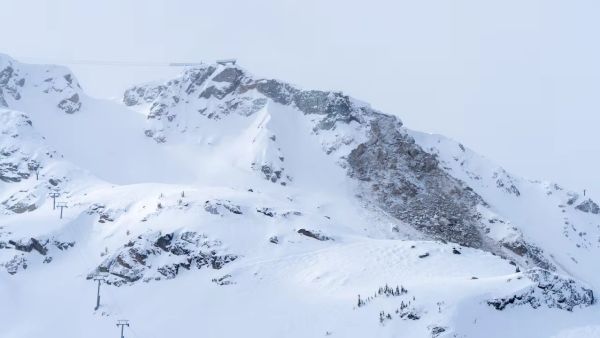
Whistler Blackcomb Rockslide Zone Stays Closed Through 2026-27 Season
A section of Whistler Peak terrain will stay closed all 2026-27 season, Vail Resorts has confirmed, with rockslide mitigation work continuing into summer 2027. Peak Express is still expected to run this winter, but locals are already arguing about what’s actually off limits, whether the Whistler Bowl is gone, and why the news landed after pass sales wound down. Here’s where things stand.
7 Nov 2026
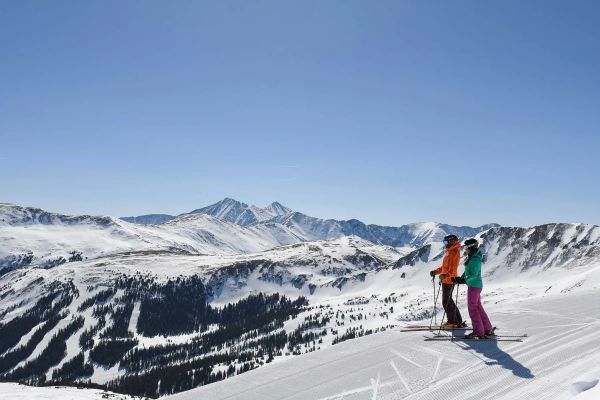
Loveland Ski Area Opens for 2026-27 and Marks 60 Years of Snowmaking
Loveland is open. The Colorado ski area started Chet’s Dream turning on Saturday 7 November to kick off 2026-27, with $60 adult lift tickets to mark 60 years of snowmaking. Expect three runs, nearly 1,000 vertical feet (about 300 metres) of top-to-bottom skiing, live music on the Basin Patio and no beginner terrain yet. Here’s what’s open, what it costs and when Loveland Valley follows.
7 Nov 2026
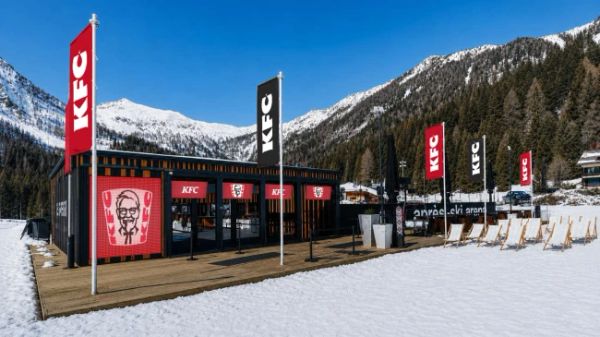
KFC Is Coming to the Slopes at Cortina and Madonna di Campiglio
Fried chicken is heading up the Dolomites. From 5 December KFC will run two restaurants on the slopes - one at 2,123 metres at Cortina, one at 1,700 metres at Madonna di Campiglio - and the polenta-and-canederli crowd has opinions. Local politicians, conservation groups and plenty of Facebook commenters are calling it a step too far, while others just want a cheaper lunch. Here’s what’s on the menu and what’s the fuss.
5 Nov 2026
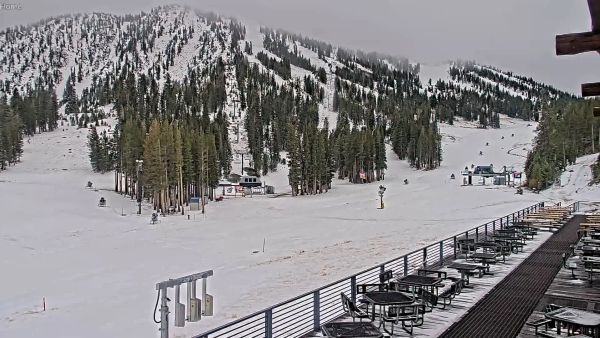
Mt Rose Aims to Open First in Tahoe on November 6
Mt Rose is going for the first-in-Tahoe title, with the Lakeview Express due to spin at 9 a.m. on Friday, November 6. One main lift, three runs and plenty of snowmaking, sitting on the highest base elevation in the region at 8,260 ft. Here is what is open, what is not (sorry, tubing fans), and how the early North American openings are stacking up.
4 Nov 2026
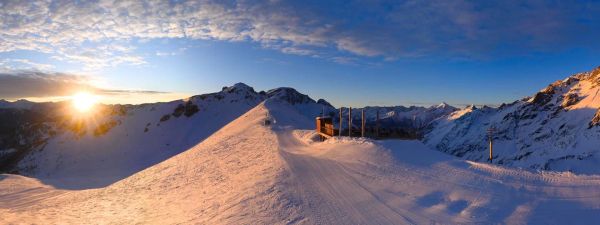
Europe Snow Forecast: Serre Chevalier Leads With 82 cm Over the Next 10 Days
Europe has had a quiet start to November, but our 10-day forecast has Serre Chevalier on 82 cm and Les 2 Alpes on 71 cm. Two pushes are lined up: a western Alps top-up from Friday, then a bigger, wider system on Thursday, November 12 and Friday, November 13 that reaches Italy and Switzerland. Full leaderboard inside.
4 Nov 2026
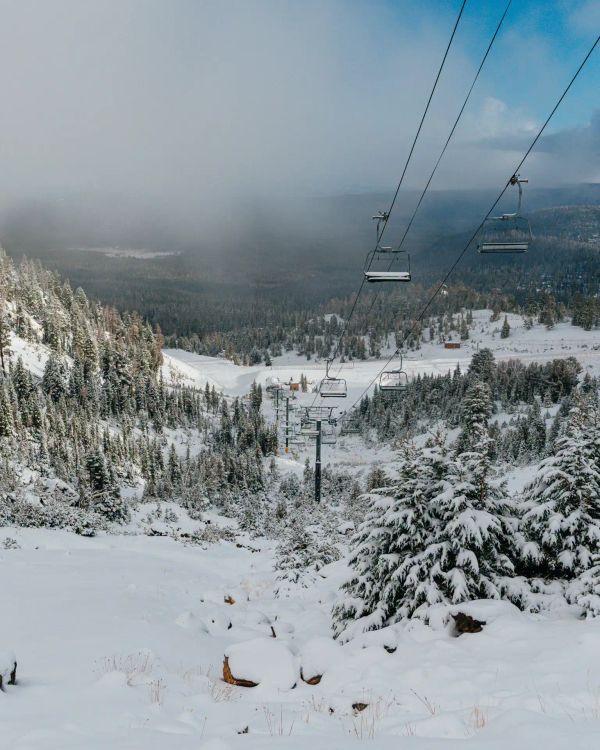
Mammoth Mountain Opens Early on November 5 With Up to 33 Inches of Snow in the Forecast
Mammoth just moved opening day forward to Thursday, November 5, eight days ahead of schedule. A snowy weekend and cold snowmaking nights did the work, and our forecast shows up to 33 inches more landing on November 13 and 14. Here is what opens, what the weather looks like and where Mammoth sits among the early Ikon Pass openers.
3 Nov 2026
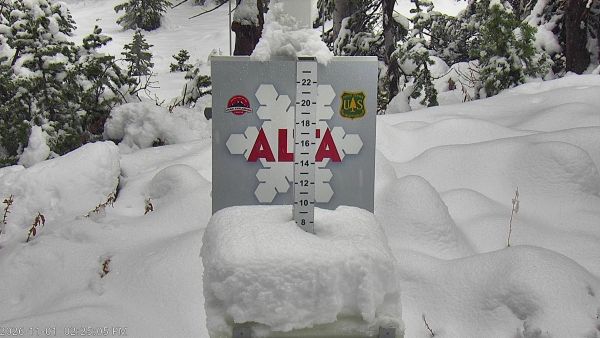
Utah Snow Storm Builds Early-Season Base Ahead of November Openings
Rain down low, snow up high, and a snow report full of zeros that mostly means ‘not updated yet’. Utah’s first proper storm of 2026-27 is rolling through the Wasatch, Snowbird’s snow stake is closing in on 10 inches, and Brian Head is five days from opening day. Early November snow rarely looks like much, but it is the layer every November opening date is built on. Here is where it stands.
1 Nov 2026
Sierra Nevada Halloween Storm: Dodge Ridge Forecast to Lead With 19 Inches
Halloween weekend brings a wet, windy storm to the Sierra Nevada. Our five-day forecast has Dodge Ridge on top with 19 in, followed by Bear Valley at 15 in and Mammoth Mountain at 12 in, with most of it landing on Saturday. A winter weather advisory covers the Tahoe Basin and Mono County until 7 AM Sunday, gusts could reach 47 mph and the freezing level swings between 4,900 and 8,700 ft, so some bases will see rain. A dry spell follows from Monday.
31 Oct 2026
Sölden Trail Map
Live Sölden trail map
Loading trail map...
Downloadable Sölden trail map
Terrain split
45
runs
Beginner47%
Intermediate30%
Advanced15%
Expert8%
147 km of piste
Resort Stats
Elevation
Base1350m
Summit3340m
Annual snowfall
5.5m
Season
2026 - 2027
9 Oct 2026 - 2 May 2027
Trail coverage
45 runs
147 km
About Sölden's trail map
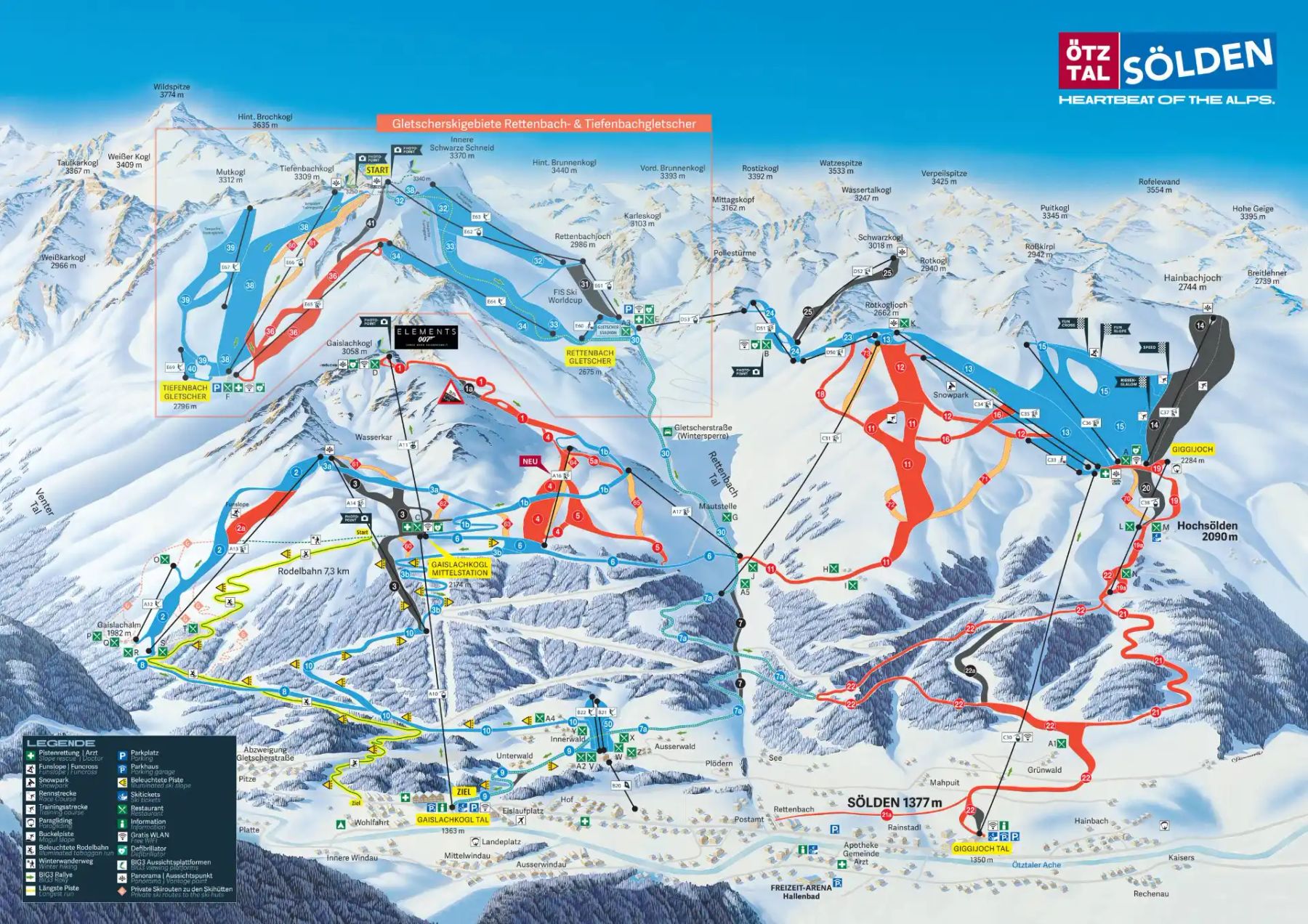
Explore Sölden's full trail map with 45 runs across the mountain, colour-coded by difficulty and shown alongside the terrain split. Use it to plan a day that matches your ability, find lift-served pockets of your favourite grade, and see how the resort links together. Download the piste map (PDF) ↗
More Sölden intelligence: snow report, lift system, webcams, resort overview.