The Overview
Michael Fulton
Melbourne-based skier and snowboarder with 50+ resorts across 5 continents. Specialises in Australian resorts and international resort comparisons.
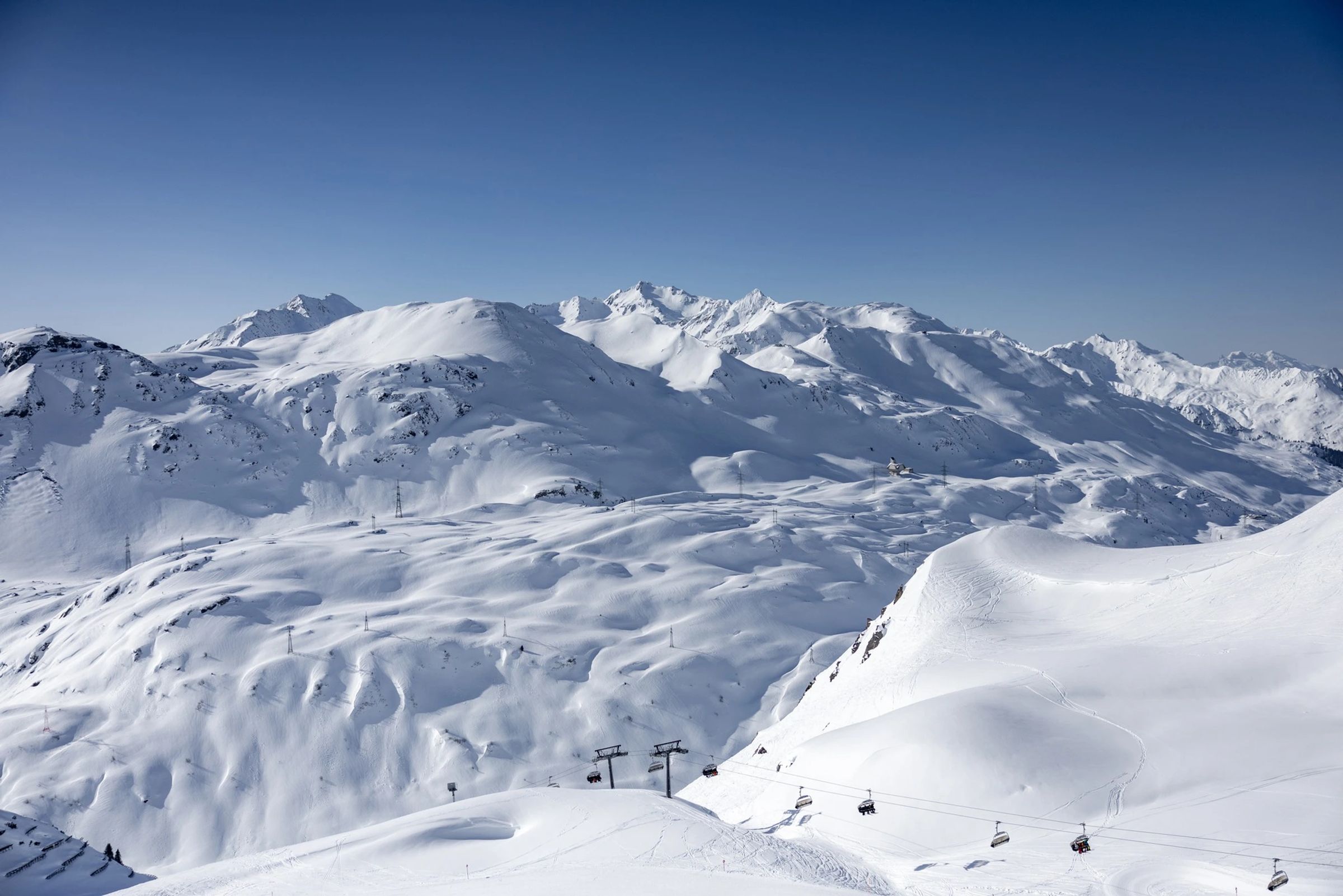
St. Anton am Arlberg serves as the gateway to Ski Arlberg, Austria's largest interconnected ski area spanning 305 kilometres of marked pistes and 200 kilometres of off-piste terrain. The vertical drop of 1,507 metres stretches from the village at 1,304 metres to the Valluga summit at 2,811 metres. Ski Club Arlberg was founded here on 3 January 1901, making the region the cradle of alpine skiing - where Hannes Schneider developed the Arlberg technique and established the first ski school in 1921.
The terrain across the Ski Arlberg pass divides into 43 per cent beginner runs, 41 per cent intermediate and 16 per cent advanced, with 141 marked pistes. Expert terrain includes ski routes such as Schindlerkar and Mattun, plus the guided-only descent from Valluga's backside down to Zürs. The longest run stretches 10.2 kilometres from Valluga to St. Anton village. Sectors span Gampen, Galzig, Rendl and the quieter Albona runs above Stuben.
St. Anton retains authentic Tyrolean village character whilst delivering one of the Alps' most vibrant après-ski scenes. Slope-side bars line the Steissbachtal trail above the village, and 15 cafés, 8 ice bars and 7 bars operate in town. The pedestrianised centre sits within walking distance of all major lift stations. Eighteen mountain restaurants are scattered across the ski area, ranging from self-service to à la carte dining.
The single Ski Arlberg lift pass covers St. Anton, St. Christoph, Stuben, Lech, Zürs, Warth-Schröcken and Sonnenkopf. Adult day passes run from €62 in low season to €72 during peak periods, with six-day passes priced at €310 to €360. The resort hosted the FIS Alpine World Ski Championships in 2001 and continues hosting Women's World Cup speed events. Strong intermediates seeking off-piste progression and experts chasing powder find their ideal terrain here.
1507m
Vertical
141
Runs
302 km
Piste
3m
Annual snow
The Terrain
141 runs across 302 km of piste
St. Anton am Alberg spreads 141 runs across 302 km of piste of terrain. It leans beginner at 43%, with 61 beginner runs to find your feet and 24 advanced or expert runs when you want to push.
Terrain split
141
runs
141 runs across 4 grades
Beginner61 runs · 43%
Intermediate56 runs · 40%
Advanced20 runs · 14%
Expert4 runs · 3%
Time it right
When to visit St. Anton am Alberg
The 2025-2026 season runs from 3 December 2025 to 19 April 2026, spanning 138 operational days. Ski Arlberg divides pricing into three periods: Wedel Ski Weeks at season start, the main season from 20 December to 6 April, and Sun Ski Weeks in spring. The Rendl sector typically opens a week or weekend before Christmas to commence the main season. Lifts generally operate from 8:45am to 4:30pm daily.
St. Anton benefits from consistent natural snowfall averaging approximately 380 centimetres annually at resort level, with around 8 metres recorded at 2,000 metres elevation. The lee-side position below the Arlberg Pass captures additional deposited snow, with estimates of up to 12 metres annually between the Ulmer Hütte and Valluga. Historic data shows average upper mountain depths reaching 276 centimetres in February and 304 centimetres in March. Snowmaking backs natural accumulation across 102 kilometres of runs.
January delivers the most reliable powder conditions, with the second week typically recording the highest snowfall - averaging 62 centimetres across 3.2 snow days. February and March offer deeper base depths whilst spring conditions develop. Weekdays, particularly Tuesday through Thursday, see notably lighter crowds and shorter lift queues. The south-facing main slopes require careful timing later in season, whilst the north-facing Rendl runs and shady Albona terrain above Stuben retain snow quality longer.
The Stanton Ski Open festival from 5-7 December 2025 marks the season opening with free ski testing, live music and avalanche safety seminars. Women's World Cup downhill and super-G races return in January. The Tanzcafé Arlberg Music Festival delivers performances across the region, whilst the cult White Thrill ski race closes proceedings in late season. Wedel Weeks and Sun Ski Weeks offer reduced lift pass pricing.
Season 2025 - 2026
5 Dec 2025
Opens
20 Apr 2026
Closes
136
Days open
3 m
Annual snow
Getting there
Getting to St. Anton am Alberg, and where to stay
St. Anton am Arlberg sits at 1,304 metres elevation in the Stanzertal valley, positioned on the Rosanna River in Tyrol, western Austria. The village lies at the western edge of Tyrol province, near the border with Vorarlberg, surrounded by the peaks of the Arlberg massif. The Arlberg Pass connects Tyrol to Vorarlberg, with the historic Hospiz St. Christoph - founded in the 14th century as traveller shelter - located at 1,800 metres just up the valley.
Landeck, the regional hub at the entrance to the Stanzertal, sits approximately 30 kilometres east. The neighbouring villages of Pettneu (6 kilometres), Schnann (9 kilometres) and Flirsch (12 kilometres) fall within the St. Anton holiday region, connected by free ski bus services operating across 37 stops. St. Christoph am Arlberg lies at the pass summit, whilst Stuben sits on the Vorarlberg side.
The S16 expressway passes just minutes from St. Anton, connecting to the A12 autobahn towards Innsbruck and the A14 through Vorarlberg towards Switzerland. The 14-kilometre Arlberg Tunnel ensures reliable passage in winter conditions, though tolls apply. The Austrian motorway vignette is mandatory. Drive times reach Innsbruck in approximately 75 minutes, Zurich in under 3 hours, and Munich in around 2.5 hours.
Innsbruck Airport lies approximately 100 kilometres east, with transfers taking around 75 minutes. Zurich Airport sits 200 kilometres west, accessible in roughly 2.5 hours by road or direct train. Friedrichshafen (130 kilometres) and Memmingen (170 kilometres) airports provide budget airline options. St. Anton's train station sits centrally in the village, a short walk from the Galzigbahn and Rendlbahn. International Railjet and Eurocity services connect directly to Vienna, Zurich, Innsbruck and Munich every two hours.
Where to stay
Search all stays →Hotels and lodges near St. Anton am Alberg, powered by Stay22.
Latest News
From the SnowStash desk
Saalbach Hinterglemm Resort Review: 270 km of Piste, 70 Lifts and a Three-Resort Pass
Four connected areas, 70 lifts and a World Championship course, yet Saalbach Hinterglemm still runs like a family holiday. Two days on snow and a Worlds Super-G later, here is who it suits, what the Ski ALPIN CARD covers and why Epic Pass holders should pay attention. Big on blues, light on steeps.
30 Sept 2026
Sölden Plans Four-Race World Cup Opener on the Rettenbach Glacier from 2027
Sölden's World Cup opener has been two giant slaloms on the Rettenbach glacier for as long as most fans can remember. From 2027/28 it could be four. Director Jack Falkner wants to add two Super-Gs, backed by a nod from Vincent Kriechmayr, and turn the opening into a full week where the ski world gathers in the Ötztal. FIS and the ÖSV are yet to sign off. This year, it's still just the two GS races on 24 and 25 October.
29 Sept 2026
Hokkaido Ski Resort Opening Dates 2026/27: Sapporo Kokusai Leads Off on 20 November
Hokkaido's lift season now has dates. Sapporo Kokusai opens first on 20 November, Niseko United, Kiroro, Rusutsu and Furano follow on 28 November, and Kamui closes the list on 12 December. Everything hinges on snow, and with a strong El Niño in play, the JMA gives Hokkaido's Japan Sea side a 40% chance of below-normal snowfall. Honshu's Japan Sea coast looks shakier.
28 Sept 2026
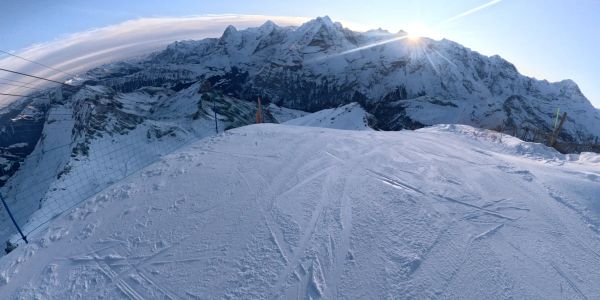
Swiss Ski Resorts Post Second-Highest Winter Revenue on Record Despite a Warm Season
Switzerland logged 25.7 million ski days last winter, only 2.3% off the record, in a season that ranked sixth-warmest since records began. Revenue hit CHF 895.8 million, second only to 2024/25. Zermatt led on visits and takings, foreign guests hit a ten-year high, and 12 resorts never opened at all. Snowmaking, late storms and high altitude carried the numbers. Anything sitting at 1,000-1,200 m had a far rougher time.
26 Sept 2026
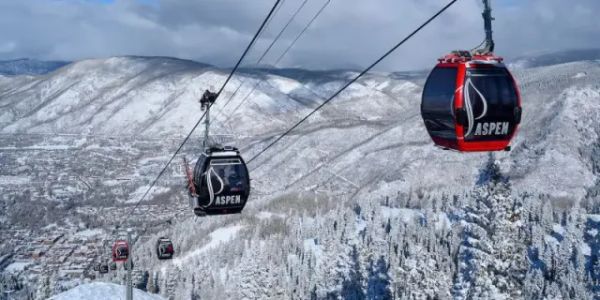
Aspen Snowmass Marks 80th Anniversary With $3.75 Throwback Lift Tickets
Aspen Snowmass turns 80 this December, and it's marking the milestone with $3.75 lift tickets on the anniversary itself - the original 1946 price. A discounted long weekend, $19.46 dining specials, lodging deals up to 46 percent off, and a season of anniversary programming round out the celebration across all four mountains.
17 Sept 2026
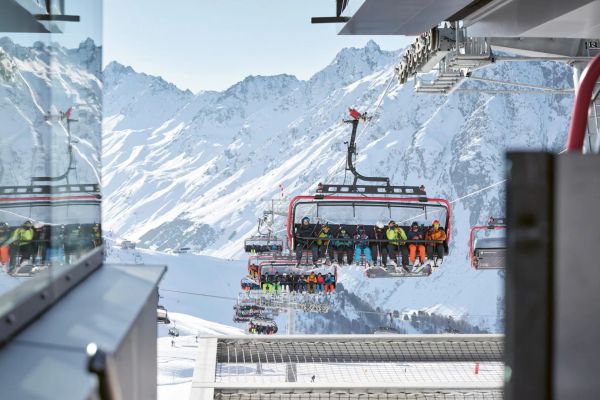
Doppelmayr Group Posts 9.1% Revenue Growth in 2025/26, Passing 1.3 Billion Euros
Doppelmayr closed its 2025/26 business year with revenue up 9.1 percent to 1.3 billion euros, driven by projects including the Big Sky Explorer Gondola, Deer Valley's Mayflower East Village Gondola, and the first TRI-Line installation at Hoch-Ybrig. Headcount grew too, with the ropeway manufacturer now employing almost 4,000 people worldwide.
16 Sept 2026
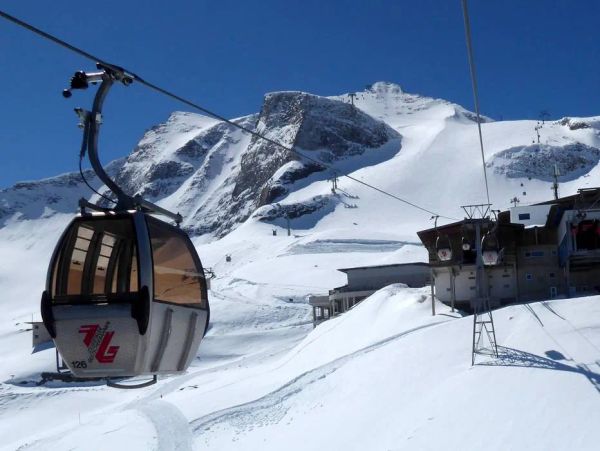
Hintertux Glacier Replaces 40-Year-Old Gondola to Tuxer Fernerhaus
Hintertux Glacier is retiring its 40-year-old gondola to the Tuxer Fernerhaus. The replacement carries 10 people per cabin instead of four, with seat heating and nearly 40 percent more hourly capacity. Doppelmayr's new line opens at the end of October 2026, right as the glacier's high-altitude terrain becomes accessible again for the new season.
16 Sept 2026
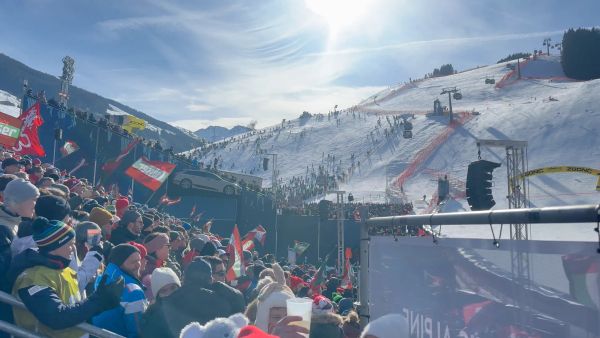
FIS Weighs Holding World Championships in Almost Every Winter, Starting 2032
The International Ski and Snowboard Federation is looking at a major shake-up to its title events calendar. From 2032, World Championships could run not just in odd-numbered years but in every non-Olympic winter too, effectively putting a global title event on the calendar almost every season. The FIS Council has approved the concept following a feasibility study, though an accelerated rollout as early as 2028 is also under consideration.
4 Sept 2026
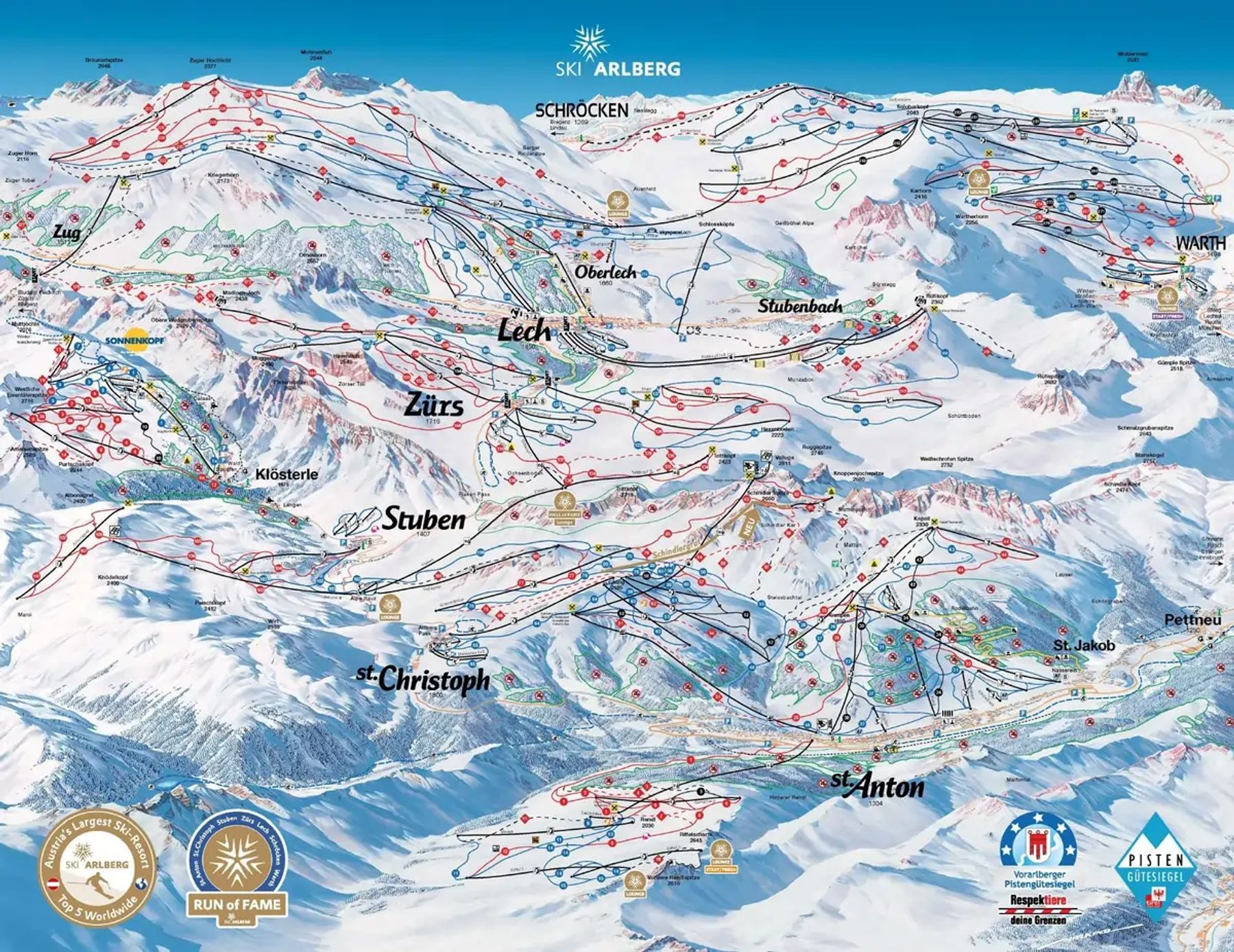
St. Anton am Alberg Ski Trails
Live St. Anton am Alberg trail map
Loading trail map...
Downloadable St. Anton am Alberg trail map
Terrain split
141
runs
Beginner43%
Intermediate40%
Advanced14%
Expert3%
302 km of piste
Resort Stats
Elevation
Base1304m
Summit2811m
Annual snowfall
3m
Season
2025 - 2026
5 Dec 2025 - 20 Apr 2026
Trail coverage
141 runs
302 km
St. Anton am Alberg ski trails
St. Anton am Alberg offers 141 runs across a mix of difficulties. The terrain split and trail map here show how the mountain breaks down so you can plan a day that suits your group.
- • Match runs to your ability - the terrain split shows how much of St. Anton am Alberg is beginner, intermediate and advanced.
- • Check grooming and open-run status against the live conditions before committing to the upper mountain.
- • Early season and after fresh snow, favour the lifts serving your preferred grade to make the most of the day.
More St. Anton am Alberg intelligence: trail map, lift system, resort overview.