
The Overview
Michael Fulton
Melbourne-based skier and snowboarder with 50+ resorts across 5 continents. Specialises in Australian resorts and international resort comparisons.
Tignes operates across 1550 to 3456 metres, delivering 150 kilometres of marked runs and a vertical drop of 1906 metres. The Grande Motte glacier reaches 3656 metres and guarantees skiing from late November through to early May, with summer sessions running from late June to mid-July. Combined with neighbouring Val d'Isère, the Tignes–Val d'Isère ski area offers 300 kilometres of piste served by 78 lifts across over 10,000 hectares of skiable terrain. The resort hosted freestyle skiing at the 1992 Winter Olympics and remains a training base for national ski teams.
Tignes divides terrain into 57% beginner, 25% intermediate, 10% advanced and 8% expert, though grading runs above 2100 metres elevation. The 10-kilometre La Sache black run descends through the Vallon de la Sache to Les Brévières, whilst the Grande Motte sector provides wide glacier bowls and red runs from 3456 metres. The Aiguille Percée area features the natural rock arch accessed via the Palafour chairlift, and the Tovière sector connects directly to Val d'Isère via gondola. Two terrain parks operate at the Grattalu chairlift, alongside boardercross and mogul training zones.
Five villages form the resort: Val Claret sits at 2100 metres with direct funicular access to the glacier, Tignes Le Lac operates as the main hub at 2100 metres, Le Lavachet lies between the two, Les Boisses sits at 1800 metres, and Les Brévières occupies the valley floor at 1550 metres. Purpose-built architecture dominates the upper villages, prioritising ski-in ski-out access over Alpine charm, though recent redevelopment has softened the 1960s concrete blocks. Free shuttle buses link all villages until midnight, and 113 snow cannons cover 50 kilometres of piste.
A joint Tignes–Val d'Isère pass costs €48 to €71 per day for adults in the 2025-26 season, whilst Tignes-only passes run €38 to €55. Season passes cost €1299 for the combined area. Children under 8 and seniors over 75 ski free, and the Ski Start beginner programme offers three progression levels with free lifts on initial stages. The resort suits confident intermediates and experts seeking high-altitude terrain, with glacier access extending the season well beyond typical French Alps closures.
1906m
Vertical
80
Runs
150 km
Piste
8m
Annual snow
The Terrain
80 runs across 150 km of piste
Tignes spans 150 kilometres of piste and 80 runs from 1,550 metres at Les Brévières up to 3,456 metres, a vertical of 1,906 metres. It is a resort of contrasts: 57% of the terrain is beginner, 25% intermediate, 10% advanced and 8% expert, so few big mountains pair so much easy skiing with a serious expert slice. The bowls around Val Claret and Tignes Le Lac sit above 2,000 metres, and the Grande Motte glacier adds dependable snow in the early and late season. Gondolas, six-seaters and an eight-seat chair do the heavy lifting.
La Sache is the longest run, a 10-kilometre black from the Aiguille Percée down to Les Brévières. On the Grande Motte, the reds are worth repeating for the snow and the views, and Leissée is a favourite. Across Val Claret, the Tichot and Grattalu lifts serve cruising terrain and the freestyle parks. The Tovière and Tommeuses lifts connect over to Val d'Isère for more variety. Freeriders have a set of secured but ungroomed slopes plus wilder lines that need a guide. Tignes suits strong intermediates and experts, with an easy-terrain share large enough for beginners in the villages.
Terrain split
80
runs
80 runs across 4 grades
Beginner46 runs · 57%
Intermediate20 runs · 25%
Advanced8 runs · 10%
Expert6 runs · 8%
Time it right
When to visit Tignes
The 2025-26 season runs from 22 November 2025 to 3 May 2026, spanning 163 days. The Grande Motte glacier opens first with 20 kilometres of piste, then the full Tignes–Val d'Isère link opens from 29 November once lower sectors receive sufficient snow cover. Summer skiing operates from 21 June to 20 July 2026, offering 700 metres of vertical on the glacier with six lifts accessing 20 kilometres of groomed runs. The resort typically reopens in mid-October for autumn glacier skiing before the winter season begins.
Annual snowfall averages around 8 metres at 2100 metres, with over half the ski area lying above 2500 metres and the glacier providing permanent snow cover above 3000 metres. The resort's position against the Italian border captures both Atlantic depressions and Mediterranean low-pressure systems, delivering reliable accumulation from December through April. Snowmaking covers 50 kilometres of piste through 113 cannons, though natural snow depth at 2100 metres typically exceeds 2 metres by mid-season.
January and February deliver the coldest temperatures and most consistent powder, with the highest villages often registering well below freezing. March offers the sweet spot of long daylight hours, stable snow and warming temperatures, whilst April and early May provide spring corn conditions on south-facing slopes and maintained coverage on the glacier. December can see limited terrain until Christmas, and late November relies almost entirely on glacier skiing.
Winter Fest runs 11-13 January 2026 with snowboard film premieres and exhibitions, the FIS Para Alpine Skiing World Cup visits 2-6 February, and the French Alpine Ski Championships occupy 30 March to 8 April. European Snowpride takes place 21-28 March, and Spring Break programming fills 18 April to 3 May. The Live in Tignes music festival traditionally closes the season in early May with performances across multiple stages.
Season 2026 - 2027
28 Nov 2026
Opens
2 May 2027
Closes
155
Days open
8 m
Annual snow
Getting there
Getting to Tignes, and where to stay
Tignes sits in the Tarentaise Valley in the Savoie department of south-eastern France, 30 kilometres from Bourg-Saint-Maurice at the upper end of the Isère valley. The main villages occupy a natural cirque at 2100 metres, enclosed by the Grande Motte massif at 3656 metres, the Grande Casse at 3852 metres, and surrounding peaks forming the gateway to Vanoise National Park. The original village lies submerged beneath Lac du Chevril following construction of the Tignes Dam in 1952, with the dramatic concrete wall now painted with a Hercules fresco visible on the approach road.
Bourg-Saint-Maurice serves as the nearest major town, sitting 30 kilometres and 40 minutes down the valley with supermarkets, a TGV station and the regional hospital. Moutiers lies 45 kilometres north along the N90, whilst Albertville sits 80 kilometres distant at the junction of major Alpine valleys. Val d'Isère occupies the next valley 12 kilometres to the south, connected by lift and piste throughout the ski season. The wider Tarentaise Valley contains Les Arcs, La Plagne and the Trois Vallées within an hour's drive.
The N90 from Albertville and Moutiers provides the sole road access via Bourg-Saint-Maurice, climbing 1000 metres over 30 kilometres of switchbacks with spectacular views of the dam and valley. Geneva Airport lies 220 kilometres and approximately three hours west via the A40 autoroute to Annecy then the N90 through Albertville, with transfer times extending to four hours during Saturday changeover traffic. Chambéry Airport sits 143 kilometres and two hours south via the A43 and N90, offering the shortest airport transfer.
Lyon-Saint-Exupéry Airport lies 220 kilometres and three hours southeast, whilst Grenoble sits 164 kilometres and three hours southwest. Bourg-Saint-Maurice railway station receives direct TGV services from Paris in five hours and weekend Eurostar connections from London via Lyon, with local buses covering the final 30 kilometres to resort in 40-60 minutes. Altibus operates year-round bus services from the station to all five Tignes villages, with tickets costing €12 for adults and departures coordinated with train arrivals.
Where to stay
Search all stays →Hotels and lodges near Tignes, powered by Stay22.
Latest News
From the SnowStash desk
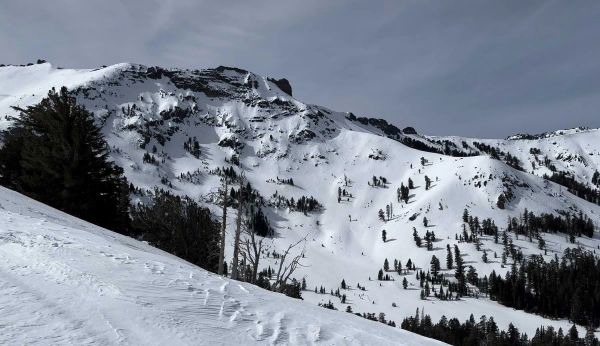
California Ski Resort Opening Dates 2026-27: Mammoth Leads, Tahoe Follows
Mammoth Mountain is first up in California, targeting Friday 13 November after a dusting of September snow. Heavenly and Northstar follow on 20 November, Palisades Tahoe on Wednesday 25 November and Sugar Bowl on 27 November, with Kirkwood on 4 December and June Mountain on 19 December. Plenty of smaller areas have no date yet. A super El Niño favours the Sierra, but a warmer storm track is the catch.
7 Oct 2026
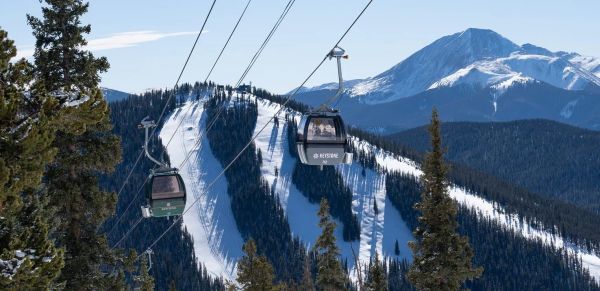
Colorado Ski Resort Opening Dates 2026-27: A-Basin and Keystone Race to Be First
Arapahoe Basin, Keystone and Winter Park are all chasing an October start, though none has a firm date yet. The first dated openers are Breckenridge and Copper on Friday 6 November, then Vail on 13 November, with most of the rest bunched around US Thanksgiving. Hesperus did not open at all last season. A super El Niño offers hope but no guarantee, and forecasters say the southern mountains have the better odds.
5 Oct 2026
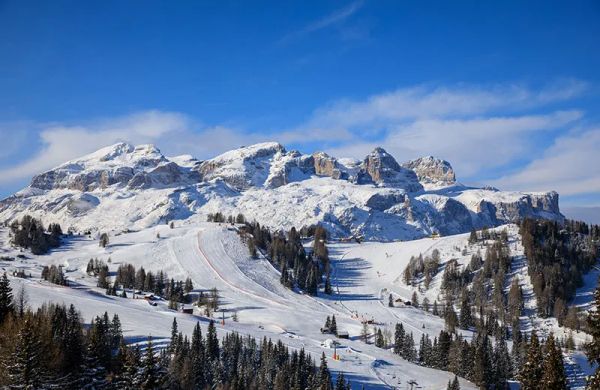
Dolomiti Superski 2026-27: Four New Gondolas, New Reservoirs and an €89 Peak Day Pass
Dolomiti Superski is spending around €100 million across its 12 areas before winter. Kronplatz gets a new 10-passenger gondola with a middle station, 3 Zinnen gets Helmissimo, and Val di Fassa swaps a chairlift for a gondola above Col Valvacin. New water-storage basins and upgraded snowmaking follow, and construction has started on the San Martino to Passo Rolle link. A peak adult day pass is €89.
4 Oct 2026
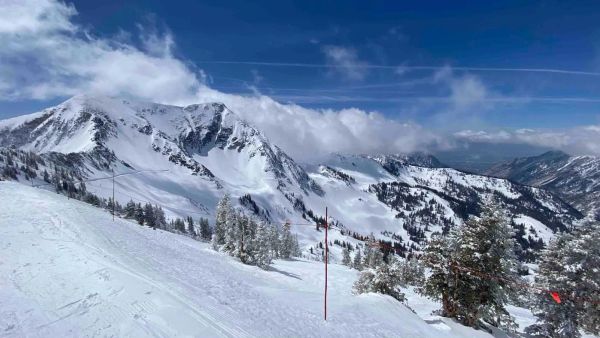
Utah Ski Resort Opening Dates 2026-27: Brian Head First, Eagle Point Out
Brian Head is targeting 6 November, though last year it aimed for 7 November and did not open until the 25th. Park City, Alta and Solitude are pencilled in for 20 November, Snowbird and Snowbasin for 27 November, and Deer Valley for 5 December. Eagle Point will stay closed after the Cottonwood Fire. A super El Niño is forecast, but the big snow is not expected until January.
4 Oct 2026
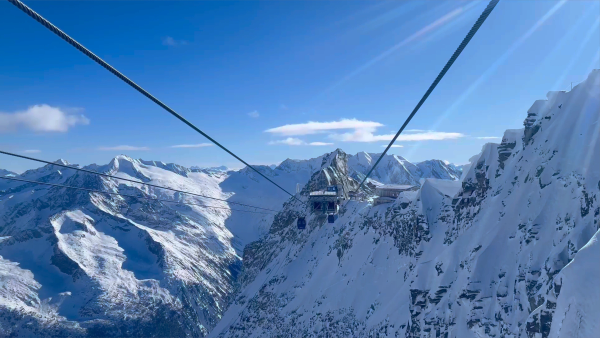
Hintertux Glacier Opens for 2026-27 With 12 Kilometres of Piste
Hintertux became Austria's second glacier to open for 2026-27 on Friday 2 October, after the Pitztal Glacier. Twelve kilometres of piste are running around the Olperer and Gefrorene Wand, served by one gondola and two drag lifts, with the Betterpark also open. Lifts officially run 8:15 am to 4:30 pm, but skiing stops at 2 pm for now.
4 Oct 2026
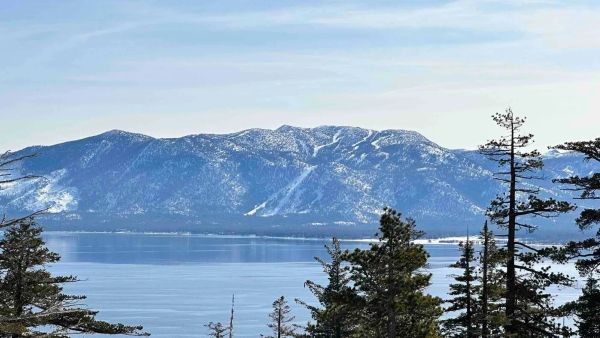
Vail Resorts Counts the Cost of a Thin Winter as Pass Sales Slide Further
A historically poor western winter cut Vail Resorts' annual net income from $280 million to $147.5 million and skier visits by 13.4 per cent. Now 2026-27 pass units are down 12 per cent as of 18 September, worse than the 10 per cent flagged in spring. Vail blames the weather and thinks some buyers are simply waiting, and it forecasts a rebound if the snow behaves.
3 Oct 2026
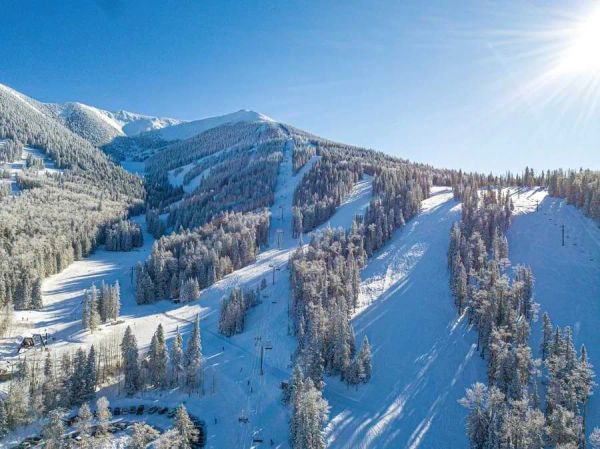
Arizona Snowbowl's $1 Lift Tickets Are Hard to Find, but $9 Days Are Not
Arizona Snowbowl advertised eight $1 lift ticket days this winter. Go looking and only three are showing - 10 March, 1 April and 10 April - so the rest may already have gone. The consolation is a calendar full of $9 days, including all but one day in April. Opening day is 20 November, weather permitting, and opening weekend is $19.
2 Oct 2026
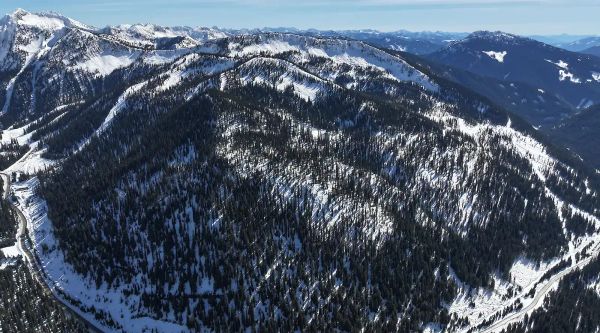
Whitewater Brings Its Short Side Inbounds, With Six New Runs for 2026-27
For years, Whitewater's Short Side was where you ducked a rope and hoped for the best: unmapped, ungroomed and unpatrolled. This winter it's inbounds. Six new runs of glades and fall-line skiing add 190 acres (about 77 hectares), taking the resort past 1,400 acres in total. F2 Logging spent a month in the trees to make it happen, and opening day is pencilled in for 4 December. Bonanza now needs less snow to groom, too.
1 Oct 2026
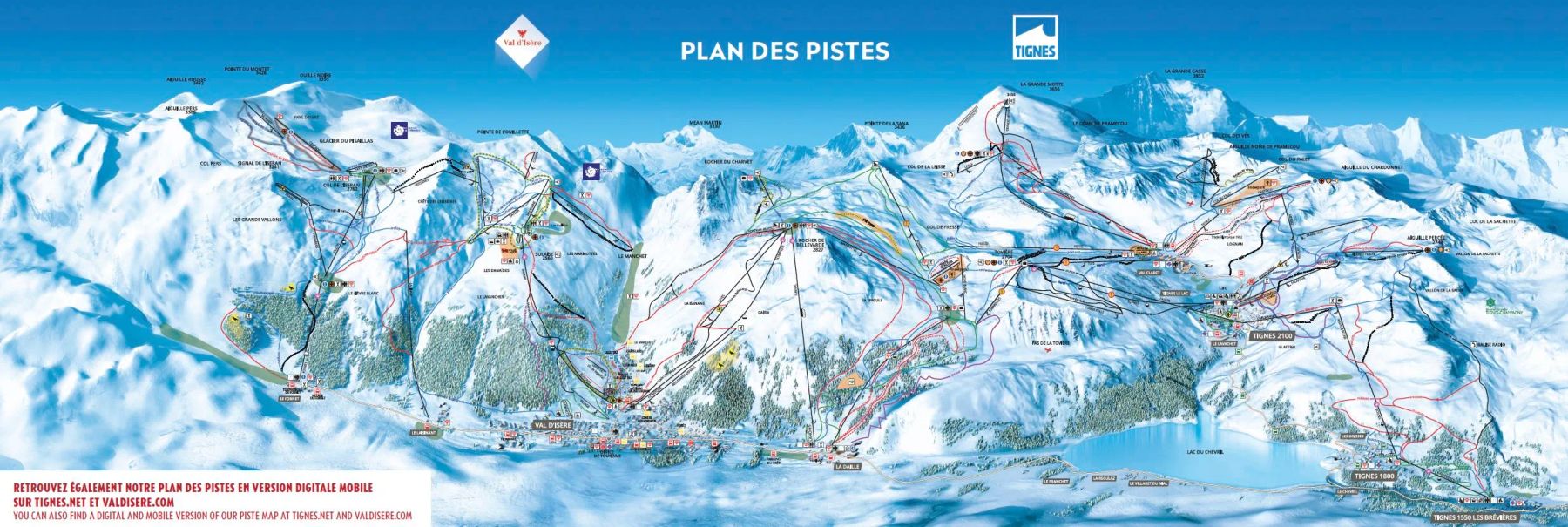
Tignes Trail Map
Downloadable Tignes trail map
Terrain split
80
runs
Beginner57%
Intermediate25%
Advanced10%
Expert8%
150 km of piste
Resort Stats
Elevation
Base1550m
Summit3456m
Annual snowfall
8m
Season
2026 - 2027
28 Nov 2026 - 2 May 2027
Trail coverage
80 runs
150 km
About Tignes's trail map
Explore Tignes's full trail map with 80 runs across the mountain, colour-coded by difficulty and shown alongside the terrain split. Use it to plan a day that matches your ability, find lift-served pockets of your favourite grade, and see how the resort links together. Download the piste map (PDF) ↗
More Tignes intelligence: snow report, lift system, webcams, resort overview.