
Cimone
Cimone: Emilia Romagna's largest ski resort with 50km interconnected terrain, 20 lifts, and skiing to 2,165m on the Northern Apennines' highest peak.
Season 2026 - 2027
Opens
5 Dec 2026
Closes
4 Apr 2027
Days open
120
Annual snow
4m
The Overview
Michael Fulton
Melbourne-based skier and snowboarder with 50+ resorts across 5 continents. Specialises in Australian resorts and international resort comparisons.
Cimone dominates the Northern Apennines as Emilia Romagna's largest ski destination, with 50km of interconnected terrain sprawling across the region's highest peak at 2,165m. This expansive resort encompasses six distinct skiing sectors—Passo del Lupo, Lago della Ninfa, Le Polle, Cimoncino, Montecreto, and Pian del Falco—all accessible with a single ski pass. The resort's exceptional width and natural terrain conformation create ideal conditions for intermediate and advanced skiers, while comprehensive snowmaking coverage across 50km ensures reliable conditions throughout the season.
With 20 modern lifts including an aerial tram, six-person chairs, and quad chairs efficiently transporting skiers across the mountain's three faces, Cimone delivers a sophisticated Apennine skiing experience within the protected Frignano Regional Park setting. The resort's position straddling the Emilia-Tuscany border at elevations between 900m and 1,976m creates distinctive terrain rarely found in Italian Apennine destinations, combining extensive vertical drops with the trademark wide pistes that characterise this historic mountain.
1076m
Vertical
25
Runs
50 km
Piste
4m
Annual snow
The Terrain
25 runs across 50 km of piste
Cimone is the main ski area on the northern Apennines, climbing Monte Cimone on the Emilia-Romagna and Tuscany border with 25 runs across 50 kilometres. It starts low at 900 metres and tops out at 1,976 metres, so the vertical is a healthy 1,076 metres. Sanity grades it 30% beginner, 50% intermediate and 20% advanced, with no expert-rated terrain. That is a more even spread than most Apennine areas, and the intermediate bias makes it an easy place to build confidence. Chairs of every size, plus an aerial tram and a good set of surface lifts, serve the slopes.
The aerial tram climbs from Passo del Lupo to Pian Cavallaro, which opens the upper mountain, and the Direttissima, a black of about 1.7 kilometres, drops back to Passo del Lupo for advanced skiers. Lago della Ninfa has gentler slopes, a snow park and a children's area, and Sestola is the main base. Freeride terrain is limited. It suits families, intermediates and weekend skiers from Bologna and Florence, and it gives stronger skiers a few steeper runs. Snowmaking is part of the picture on these lower slopes, so conditions depend more on temperature than on natural snow, and early-season visits are best checked against current reports before booking.
Terrain split
25
runs
25 runs across 4 grades
Beginner8 runs · 30%
Intermediate13 runs · 50%
Advanced5 runs · 20%
Expert0 runs · 0%
Time it right
When to visit Cimone
Cimone typically operates from mid-December through early April, with peak conditions concentrated in January through March when the resort benefits from its elevated Northern Apennine position. The comprehensive snowmaking system covering the entire 50km of terrain provides exceptional reliability throughout the season, supplementing natural snowfall that averages 350cm annually. The resort's elevation span from 900m to 1,976m creates varied snow conditions, with upper slopes maintaining excellent coverage while lower runs benefit from extensive artificial snow infrastructure.
Monte Cimone's position as the highest peak in the Northern Apennines exposes the resort to consistent weather systems, though clear days reveal extraordinary panoramic views extending from the Alps to the Mediterranean and Adriatic seas. The predominantly intermediate terrain with 50% red runs appeals particularly during stable midwinter periods, while the 30% beginner terrain at lower elevations remains accessible even during marginal snow years. The resort's protected position within Frignano Regional Park creates a distinctive microclimate that often preserves snow quality when other Apennine destinations struggle.
Season 2026 - 2027
5 Dec 2026
Opens
4 Apr 2027
Closes
120
Days open
4 m
Annual snow
Getting there
Getting to Cimone, and where to stay
Located in Modena province at the heart of the Tuscan-Emilian Apennines, Cimone sits approximately 100km from Bologna and 150km from Florence, making it the most accessible major ski destination for both cities. The historic mountain villages of Sestola, Fanano, Riolunato, and Montecreto provide comprehensive accommodation and dining options at the resort's base, offering authentic Emilia Romagna hospitality and traditional cuisine including tigelle flatbread, gnocco fritto, and fresh tortellini. Bologna Airport provides the primary international gateway just 90 minutes away, while Florence Airport offers alternative access for visitors combining Tuscan cultural experiences with Northern Apennine skiing.
The resort's strategic position along the regional border delivers cultural diversity, with valley towns reflecting both Emilian and Tuscan influences in their architecture, cuisine, and local traditions. This distinctive location within the High Modenese Apennines Regional Park surrounds visitors with protected beech and coniferous forests, providing scenic beauty and environmental significance beyond the skiing. The nearby cities of Modena and Bologna offer exceptional cultural attractions, world-renowned restaurants, and the legendary automotive heritage of Ferrari, Lamborghini, and Maserati factories, creating opportunities for comprehensive Italian experiences beyond the slopes.
Where to stay
Search all stays →Hotels and lodges near Cimone, powered by Stay22.
Latest News
From the SnowStash desk
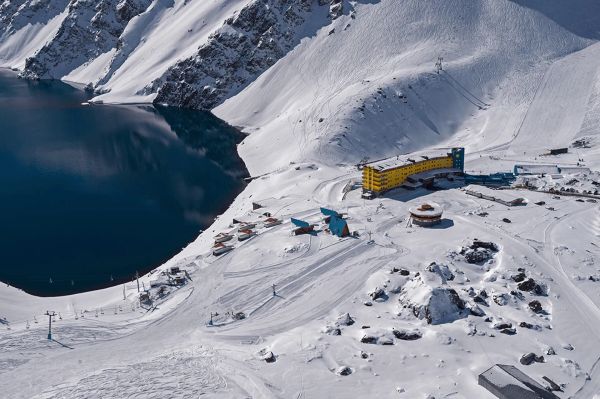
Four Dead After Avalanche Near Ski Portillo in Chile
A large avalanche struck near Laguna del Inca adjacent to Ski Portillo on Saturday afternoon, killing four people and injuring four others. The group were day visitors mountaineering in the backcountry after reportedly being warned about elevated avalanche risk by resort staff.
18 Oct 2026

Europe Ski Resorts Open Now: What Is Skiable in Mid-October 2026
Europe’s ski season is open, technically. After a record-warm summer, glaciers in Austria, Switzerland and Italy are running a few pistes apiece, Sölden, Stubai and Kitzsteinhorn started late, Titlis has pushed back to 24 October, and Zermatt reopens a few lifts on 14 October after more than two months shut. Finland’s Levi and Ruka are skiing on stored snow. Here is what is open, and what you actually get at each.
14 Oct 2026

Zermatt Plans World Cup Downhill Return on the Gornergrat for 2028
Zermatt is having another crack at a World Cup downhill, and this time nobody has to cross a border. Around 13 million Swiss francs is going into rebuilding the Gornergrat piste, including a jump fed by a roughly 300-metre in-run across the roof of the Gornergrat Railway gallery, with the Matterhorn lined up behind it for the TV cameras. First men’s race is pencilled in for March 2028, pending FIS homologation.
14 Oct 2026

Mt. Rose Begins Snowmaking for the 2026-27 Season at Lake Tahoe
Lake Tahoe’s highest base elevation is paying off early: Mt. Rose has started making snow for 2026-27 after the first flurries and a cold snap. The Nevada resort is backing it with nearly US$2 million in upgrades, including a replacement snowmaking main line, a new PistenBully groomer and restraint bars on every lift. Opening day is yet to be confirmed, though Heavenly and Northstar are already eyeing 20 November.
13 Oct 2026

Utah Ski Resorts 2026-27: What’s New at Alta, Deer Valley, Powder Mountain and More
Utah is still building flat out. For 2026-27, Powder Mountain opens a steep new Skytrac chair into more than 1,000 acres of advanced terrain, Deer Valley adds 200 acres on Hail Peak, Sundance gets a new quad and Park City adds a gondola from its new parking structure. Snowmaking is expanding almost everywhere, Eagle Point stays closed after the Cottonwood Fire, and the 2034 Games are setting the pace. Here’s what’s new, resort by resort.
13 Oct 2026

Mt Hutt Invests NZ$12 Million in Base Area, Tripling Its Sun Deck
Mt Hutt is getting busier, and its base lodge is about to catch up. NZ$12 million goes into a heated sun deck roughly three times the current size (430 m² to 1,300 m²), plus a new toilet block, heated steps down to snow level, extra storage and a new food and beverage outlet. Building starts after the 2026 season, with everything due for winter 2027.
11 Oct 2026

Vermont Ski Resort Opening Dates 2026-27: Few Dates Set, Killington Waits on the Cold
Vermont's season is slow to take shape. Stratton is tentatively targeting 18 November and Sugarbush 21 November, while Pico has Friday 11 December on the calendar. Killington never sets a date and opens when the snowmaking allows, and Vail Resorts has yet to name days for Stowe, Okemo and Mount Snow. The forecasts disagree about snow, and the main El Niño worry for the Green Mountains is warmth.
9 Oct 2026
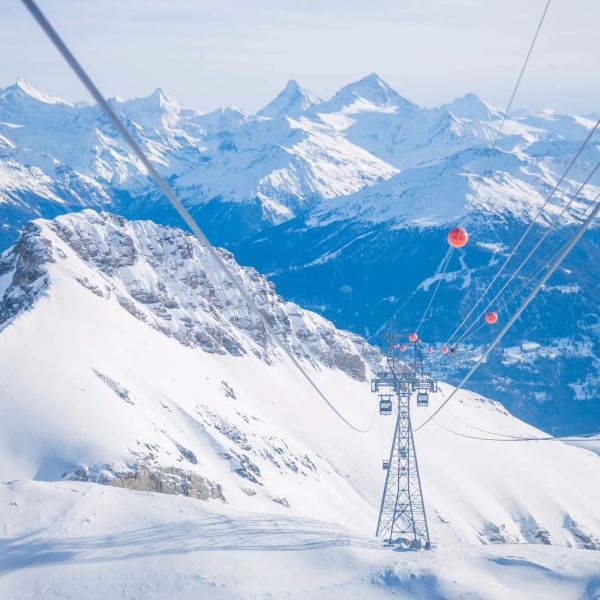
Crans-Montana 2027 World Championships President Resigns Ahead of Fraud Hearing
Less than four months out from the Crans-Montana 2027 World Championships, the man running the organising committee has stepped down. Claude-Alain Schmidhalter resigned as Swiss-Ski vice president and OC president after being indicted over a business dispute unrelated to skiing. He denies the allegations and faces court on October 27. Interim leaders are in place for the February 1-14 event.
9 Oct 2026
Cimone Webcams
6 live angles across the mountain. Tap any camera to go full-screen.
About Cimone's live webcams
Check live conditions across Cimone with 6 real-time webcams showing snow, weather, and lift operations, updated every 10 minutes. Check high-elevation cams for powder visibility and base-area cams for crowd levels before you head up.
Camera guide
- Cimone Panorama1309m
- Experience the grandeur of Northern Apennines skiing through this sweeping Cimone webcam positioned at 1309 meters elevation at the base area. This Cimone live cam captures panoramic views across the entire mountain, showcasing all three interconnected sectors that make this Emilia Romagna's largest ski destination. Perfect for assessing overall conditions before your drive from Modena or Bologna, this live snow cam provides essential visibility updates across the resort's 50 kilometers of varied terrain stretching up to Monte Cimone's impressive 2,165-meter summit.
- Passo del Lupo1550m
- Monitor real-time activity at the heart of Cimone ski resort through this strategic webcam positioned at the Passo del Lupo aerial tram station at 1550 meters elevation. This Cimone live cam reveals current conditions at the resort's primary hub where skiers access the upper mountain sectors. Essential for checking lift operations and guest activity levels, this Cimone web cam shows the bustling base area atmosphere at Northern Apennines' premier winter destination, helping you time your arrival for optimal skiing conditions.
- Passo del Lupo Cable Car1550m
- Watch the pulse of mountain operations through this Cimone webcam focused directly up the aerial tram line at Passo del Lupo at 1550 meters elevation. This strategic vantage point offers a unique perspective on the cable car's journey toward the upper mountain, with this live snow cam revealing current visibility and weather conditions along the ascent route. Perfect for assessing upper mountain accessibility, this Cimone live cam helps skiers gauge conditions before committing to the vertical journey at this historic Apennine resort.
- Lago della Ninfa1502m
- Capture the action at Cimone's freestyle hub through this webcam positioned at the Lago della Ninfa quad chair base station at 1502 meters elevation. This Cimone live cam monitors the snowpark sector where terrain features and progressive jumps attract snowboarders and freestyle skiers. Essential for checking park conditions and crowd levels, this Cimone web cam showcases one of Northern Apennines' premier freestyle destinations, helping riders plan their sessions across the resort's varied terrain offerings.
- Le Polle1200m
- Discover Cimone's renowned intermediate terrain through this webcam focused on the Le Polle sector at 1200 meters elevation in the northern part of the resort. This Cimone live cam reveals conditions across the area's signature long cruising runs that wind through pristine forests. Perfect for intermediate skiers assessing trail conditions, this live snow cam shows why Le Polle has become a favorite sector for those seeking sustained vertical descents through the protected Frignano Regional Park landscape.
- Stadio dello Slalom1500m
- Monitor advanced skiing conditions through this Cimone webcam focused on the challenging Slalom stadium course at 1500 meters elevation. This specialized live cam provides direct views of the technical race training venue where the resort's steepest pitches test expert skiers. Essential for advanced riders assessing conditions on Cimone's most challenging terrain, this Cimone live cam showcases the resort's competition heritage while revealing snow quality on the demanding slopes that define Northern Apennines' premier expert skiing.
Cimone snow cams FAQ
How often do Cimone snow cams update?
All Cimone snow cams and webcams update every 10 minutes with fresh images showing current mountain conditions. This frequent update schedule ensures you have access to near real-time conditions for planning your ski day at Cimone.
Which Cimone webcam shows the best powder conditions?
The high-elevation Passo del Lupo webcam at 1,550m provides the clearest view of powder conditions and snowfall. These Cimone webcams capture fresh snow accumulation and visibility better than base area cameras.
Can I see Cimone lift queues on the webcams?
Yes. Multiple Cimone snow cams specifically show lift queue areas and chairlift operations, helping you time your arrival and avoid peak queue periods.
When is the best time to check Cimone snow cams?
Check Cimone webcams early morning (7-8am) for overnight snowfall assessment, and mid-afternoon for current crowd levels and weather. The live cams are most useful after storm events to assess fresh powder.
How can I check current conditions before buying Cimone lift tickets?
Use our Cimone webcams alongside the live snow report to assess conditions before purchasing lift tickets. The webcams show real-time visibility, snow quality, and operational status.
Do Cimone webcams work on mobile devices?
Yes. All Cimone snow cams and webcams are optimized for mobile viewing, so you can check live conditions from anywhere using your phone or tablet.
More Cimone intelligence: snow report, lift tickets, trail map, resort overview.