
San Martino di Castrozza
60km of pistes in the Pale di San Martino UNESCO Dolomites, 1,404-2,357m. Dolomiti Superski pass valid. New Valcigolera gondola from 2024.
Season 2026 - 2027
Opens
28 Nov 2026
Closes
11 Apr 2027
Days open
134
Annual snow
4m
The Overview
Michael Fulton
Melbourne-based skier and snowboarder with 50+ resorts across 5 continents. Specialises in Australian resorts and international resort comparisons.
San Martino di Castrozza sits at 1,467m in a sheltered bowl in the Primiero Valley of Trentino, enclosed on three sides by the Pale di San Martino - the largest dolomitic massif in the Dolomites at 240 square kilometres. The ski area runs from 1,404m to 2,357m across 60km of pistes and 37 runs, with the terrain split across two main sectors: Tognola-Ces on the western side of the village and the Col Verde-Rosetta sector to the east, plus the separate high-altitude slopes at Passo Rolle, 9km to the north.
The terrain is predominantly intermediate - 53% blue, 20% red - with the longest descent, the Fantasia 2000, covering 5km with 934m of vertical from the upper Tognola area back toward the village. The Rosetta cable car accesses a north-facing sector at 2,357m where snow quality holds well into spring, and the off-piste descent from the Rosetta summit onto the Pale plateau is one of the more accessible powder itineraries in the southern Dolomites.
Night skiing operates on the Col Verde slope directly above the village, lit on weekend evenings. The resort carries a long competitive skiing tradition - a ski school has operated here since 1932 and today runs 100 instructors. San Martino is part of the Dolomiti Superski network, Italy's largest lift pass system, connecting 12 ski areas across more than 1,200km of pistes.
The Pale di San Martino group sits within the UNESCO Dolomites World Heritage Site and the Paneveggio-Pale di San Martino nature park. The phenomenon locals call "enrosadira" - the pink and violet glow of the limestone towers at dusk - is one of the more photographed scenes in the Italian Alps and visible from the slopes across the full ski day.
953m
Vertical
37
Runs
60 km
Piste
4m
Annual snow
Dolomiti Superski
Pass
The Terrain
37 runs across 60 km of piste
San Martino di Castrozza skis from 1,404 metres up to 2,357 metres on the southern edge of the Dolomites, giving a vertical of 953 metres. Across 37 runs and 60 kilometres of piste, the grading is 27% beginner, 53% intermediate and 20% advanced, with no expert-rated runs. That makes it a mid-grade mountain built around red and blue cruising rather than steeps. The area splits into three main sectors reached from the village: Tognola, Col Verde and the Rosetta plateau. Lifts include four gondolas and an aerial tram, so getting up from the centre is straightforward.
Tognola is the intermediate playground, with wide blues such as Cigolera and Tognola Uno, plus Cristiania and Rododendro for a bit more pace. Col Verde drops straight into the village and is floodlit for night skiing around the Christmas period. Rosetta sits higher and suits stronger skiers. Freeriders get three named itineraries: the easy Boschetto Tognola, Val Cigolera, and the Rosetta descent, which needs experience and a guide. San Martino suits families, progressing intermediates and anyone wanting Dolomite scenery without the crowds of the bigger valleys. Strong advanced skiers will exhaust the pistes quickly.
Terrain split
37
runs
37 runs across 4 grades
Beginner10 runs · 27%
Intermediate20 runs · 53%
Advanced7 runs · 20%
Expert0 runs · 0%
Time it right
When to visit San Martino di Castrozza
The 2025-26 season at San Martino ran from 30 November 2025 to 27 April 2026. The resort's position on the southern slopes of the Dolomites exposes it to weather systems from both the Adriatic to the south and the main Alpine chain to the north, producing average annual snowfall of 3.5 metres across the ski area. Snowmaking covers 58km of the 60km piste network, making early-season and thin-snow-year operations reliable from the village to the upper sectors.
The Rosetta sector's north-facing aspect is the resort's most snow-secure zone, holding cold temperatures and preserved snow quality through February and March when the sun-exposed lower slopes soften earlier in the day. Passo Rolle, sitting at 1,984m and exposed to the pass winds, also tends to hold snow later into spring than the main village sectors.
January and February deliver the most reliable all-mountain conditions, with the full 60km accessible and cold overnight temperatures resetting the groomed pistes each morning. The snowiest week on record is the first week of February, averaging 44cm of accumulation. March shifts toward spring conditions, with firmer morning snow on the upper runs and softer afternoons on the south-facing village slopes.
San Martino has operated a weekend shuttle service connecting Venice, Verona, Treviso, Bergamo, Milan and Trento airports and train stations to the resort throughout the winter season, making it accessible without a car for weekend visitors.
Season 2026 - 2027
28 Nov 2026
Opens
11 Apr 2027
Closes
134
Days open
4 m
Annual snow
Getting there
Getting to San Martino di Castrozza, and where to stay
San Martino di Castrozza sits at the head of the Primiero Valley in the Province of Trento, flanked by the Pale di San Martino to the north and the Lagorai range to the south. It is the southernmost ski resort in the Dolomiti Superski network - closer geographically to Venice than to Bolzano. Passo Rolle (1,984m) lies 9km north of the village on the SS50, connecting the Primiero Valley to Val di Fiemme and the wider Dolomites road network.
Venice Marco Polo Airport is the closest major international gateway, approximately 134km to the southeast - around two hours by road via the A27 motorway to Belluno and then through Feltre and the Primiero Valley. Treviso Airport is a similar distance and travel time. Verona Catullo Airport is approximately 155km to the southwest.
From Trento, the route runs approximately 110km via the SS47 Valsugana through Borgo Valsugana and Cismon del Grappa to Primiero and San Martino - around two hours on a clear day. Approaching from Bolzano via Passo Rolle adds scenic value but also travel time, and chains or winter tyres are required on the pass road. Train services from both Trento and the Venice-Belluno line reach Feltre, from where Trentino Trasporti buses connect to Primiero and San Martino.
The village itself is compact and largely pedestrianised, with accommodation concentrated close to the Col Verde gondola base on one side and within walking distance of the Fratazza gondola departure on the other. Rifugio Tognola at mid-mountain and Malga Ces above the village are the main on-mountain dining points, both accessible by lift without descending to the valley.
Where to stay
Search all stays →Hotels and lodges near San Martino di Castrozza, powered by Stay22.
Latest News
From the SnowStash desk
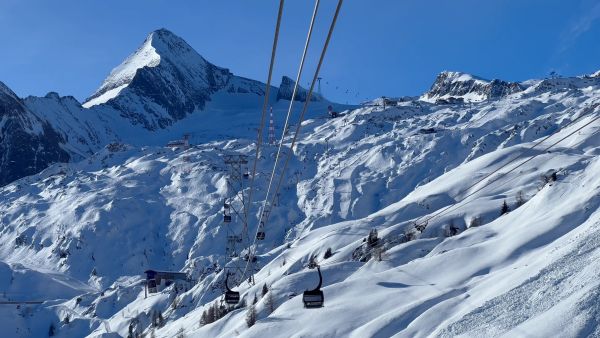
Europe Ski Resorts Open Now: What Is Skiable in Mid-October 2026
Europe’s ski season is open, technically. After a record-warm summer, glaciers in Austria, Switzerland and Italy are running a few pistes apiece, Sölden, Stubai and Kitzsteinhorn started late, Titlis has pushed back to 24 October, and Zermatt reopens a few lifts on 14 October after more than two months shut. Finland’s Levi and Ruka are skiing on stored snow. Here is what is open, and what you actually get at each.
14 Oct 2026

Zermatt Plans World Cup Downhill Return on the Gornergrat for 2028
Zermatt is having another crack at a World Cup downhill, and this time nobody has to cross a border. Around 13 million Swiss francs is going into rebuilding the Gornergrat piste, including a jump fed by a roughly 300-metre in-run across the roof of the Gornergrat Railway gallery, with the Matterhorn lined up behind it for the TV cameras. First men’s race is pencilled in for March 2028, pending FIS homologation.
14 Oct 2026

Mt. Rose Begins Snowmaking for the 2026-27 Season at Lake Tahoe
Lake Tahoe’s highest base elevation is paying off early: Mt. Rose has started making snow for 2026-27 after the first flurries and a cold snap. The Nevada resort is backing it with nearly US$2 million in upgrades, including a replacement snowmaking main line, a new PistenBully groomer and restraint bars on every lift. Opening day is yet to be confirmed, though Heavenly and Northstar are already eyeing 20 November.
13 Oct 2026

Utah Ski Resorts 2026-27: What’s New at Alta, Deer Valley, Powder Mountain and More
Utah is still building flat out. For 2026-27, Powder Mountain opens a steep new Skytrac chair into more than 1,000 acres of advanced terrain, Deer Valley adds 200 acres on Hail Peak, Sundance gets a new quad and Park City adds a gondola from its new parking structure. Snowmaking is expanding almost everywhere, Eagle Point stays closed after the Cottonwood Fire, and the 2034 Games are setting the pace. Here’s what’s new, resort by resort.
13 Oct 2026

Mt Hutt Invests NZ$12 Million in Base Area, Tripling Its Sun Deck
Mt Hutt is getting busier, and its base lodge is about to catch up. NZ$12 million goes into a heated sun deck roughly three times the current size (430 m² to 1,300 m²), plus a new toilet block, heated steps down to snow level, extra storage and a new food and beverage outlet. Building starts after the 2026 season, with everything due for winter 2027.
11 Oct 2026

Vermont Ski Resort Opening Dates 2026-27: Few Dates Set, Killington Waits on the Cold
Vermont's season is slow to take shape. Stratton is tentatively targeting 18 November and Sugarbush 21 November, while Pico has Friday 11 December on the calendar. Killington never sets a date and opens when the snowmaking allows, and Vail Resorts has yet to name days for Stowe, Okemo and Mount Snow. The forecasts disagree about snow, and the main El Niño worry for the Green Mountains is warmth.
9 Oct 2026
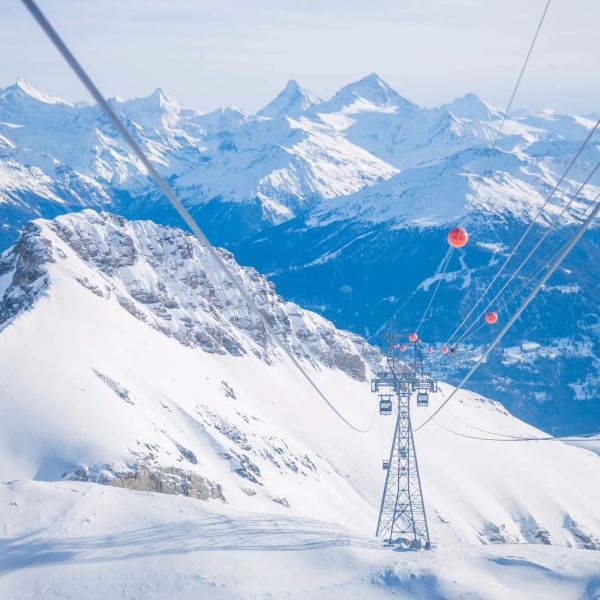
Crans-Montana 2027 World Championships President Resigns Ahead of Fraud Hearing
Less than four months out from the Crans-Montana 2027 World Championships, the man running the organising committee has stepped down. Claude-Alain Schmidhalter resigned as Swiss-Ski vice president and OC president after being indicted over a business dispute unrelated to skiing. He denies the allegations and faces court on October 27. Interim leaders are in place for the February 1-14 event.
9 Oct 2026
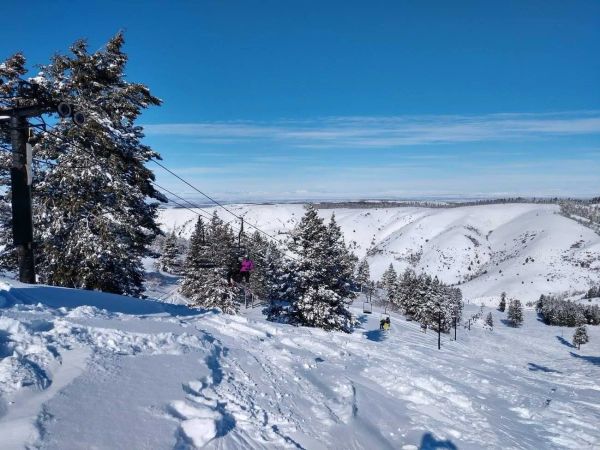
Kelly Canyon, Idaho, Adds Snowmaking, a Bigger Terrain Park and More Parking for 2026-27
Kelly Canyon had a rough 2025-26, and the Idaho resort has spent the summer making sure it doesn’t repeat. Snowmaking now reaches the top of Goldrush, the terrain park is doubling in size with a stereo system, lights and a snack shack, and the car park is getting bigger. Grooming is stepping up too. Target opening is December 4, conditions permitting.
9 Oct 2026
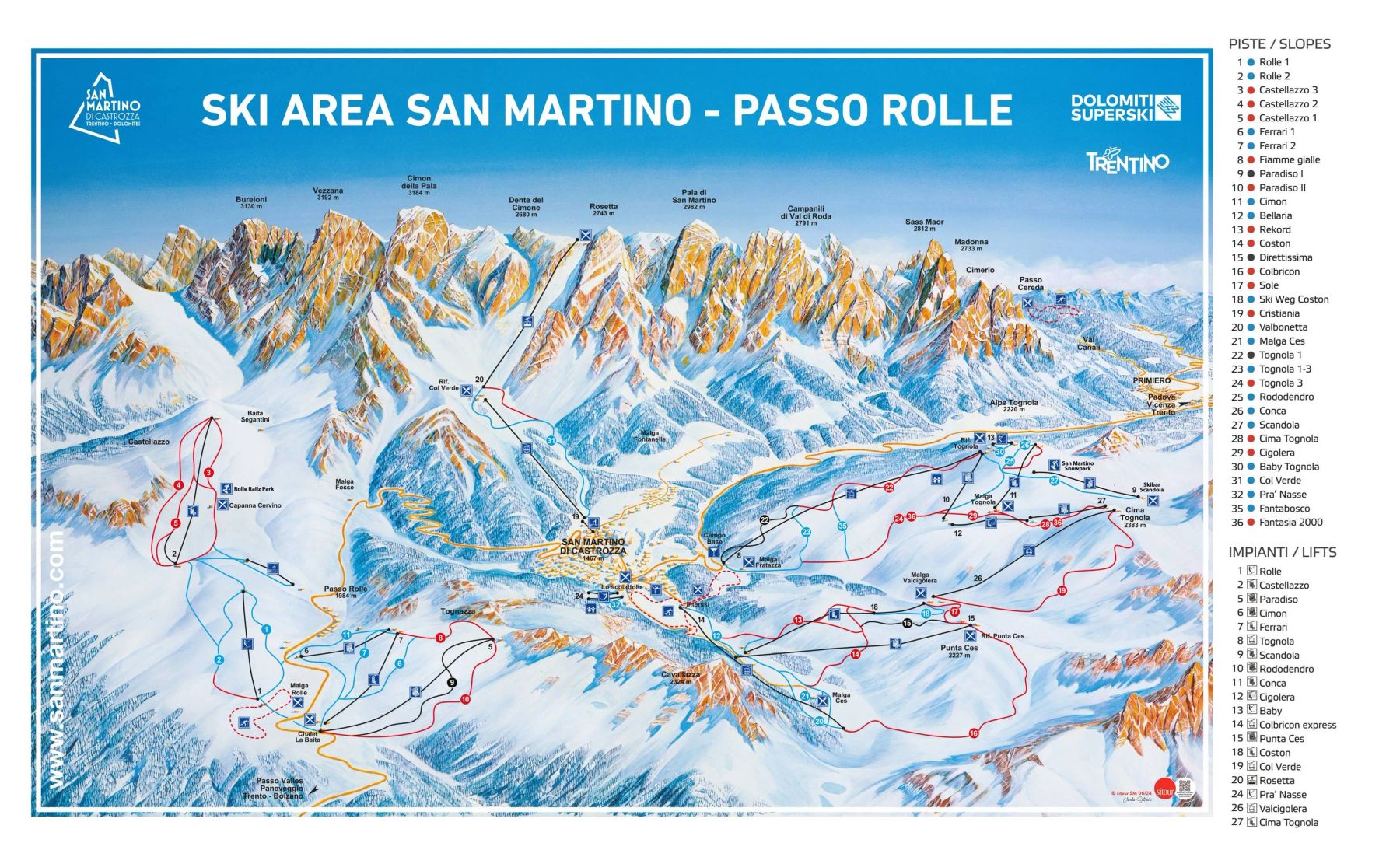
San Martino di Castrozza Trail Map
Downloadable San Martino di Castrozza trail map
Terrain split
37
runs
Beginner27%
Intermediate53%
Advanced20%
Expert0%
60 km of piste
Resort Stats
Elevation
Base1404m
Summit2357m
Annual snowfall
4m
Season
2026 - 2027
28 Nov 2026 - 11 Apr 2027
Trail coverage
37 runs
60 km
About San Martino di Castrozza's trail map
Explore San Martino di Castrozza's full trail map with 37 runs across the mountain, colour-coded by difficulty and shown alongside the terrain split. Use it to plan a day that matches your ability, find lift-served pockets of your favourite grade, and see how the resort links together. Download the piste map (PDF) ↗
More San Martino di Castrozza intelligence: snow report, lift system, webcams, resort overview.