
The Overview
Michael Fulton
Melbourne-based skier and snowboarder with 50+ resorts across 5 continents. Specialises in Australian resorts and international resort comparisons.
La Molina holds a unique place in Spanish skiing history — it is the oldest ski resort in the country, having installed Spain's first commercial ski lift on 28 February 1943, followed a year later by the nation's first ski school. Managed by Ferrocarrils de la Generalitat de Catalunya (FGC Turisme), the resort sits in the Cerdanya region of the Catalan Pyrenees at elevations between 1,667m and 2,537m, offering 71km of marked pistes across 66 runs.
The terrain is broadly accessible, with 30% beginner, 27% intermediate and 34% advanced runs, plus 9% expert — a profile that reflects La Molina's long-standing reputation as one of the most family-friendly and all-ability resorts in the Pyrenean range. The resort also hosts the largest superpipe in the Pyrenees alongside a well-developed snowpark, making it a genuine year-round destination for freestyle skiers and snowboarders.
La Molina's competition pedigree is substantial for a resort of its size. It hosted the Alpine Skiing World Cup in December 2008, the Snowboard World Championships in 2011 and the IPC Disabled Alpine Skiing World Championships in 2013 — a record that speaks directly to the quality of the groomed piste network and supporting infrastructure.
The resort pairs with neighbouring Masella to form the Alp2500 combined domain, which connects the two mountains via gondola and delivers a total of 145km of linked skiing across both resorts on a single pass. La Molina's Adapted Sports Centre, a pioneer in Europe for adaptive skiing, adds further distinction to a resort that has spent over 80 years building one of the most complete mountain offerings in Spain.
870m
Vertical
66
Runs
71 km
Piste
6m
Annual snow
The Terrain
66 runs across 71 km of piste
La Molina offers 71 kilometres of piste over 66 runs on the Cerdanya side of the Pyrenees, falling 870 metres from 2,537 metres down to the 1,667-metre base. The balance is unusually even across the grades: 30% beginner, 27% intermediate, 34% advanced and 9% expert. That makes it a handy choice for groups whose abilities do not line up, since nobody is stuck at the bottom or the top. A gondola from the base takes you up into the main skiing, and the nursery slopes are easy to reach, which suits families. The pistes are varied enough to keep everyone busy.
The upper slopes climb the shoulders of the Tosa d'Alp, where the best views over the Cerdanya valley appear and the advanced pistes drop away. Beginners and children have gentle areas close to the village, while intermediates can link long, rolling blues and reds. The Alp 2500 cable car connects with neighbouring Masella across the Tosa, so keen skiers can add a second area to their day. Freeride terrain is limited, so this is a pistes-first resort for families, mixed-ability groups and people who like a sunny day on the snow.
Terrain split
66
runs
66 runs across 4 grades
Beginner20 runs · 30%
Intermediate18 runs · 27%
Advanced22 runs · 34%
Expert6 runs · 9%
Time it right
When to visit La Molina
La Molina operates from early December through to late April, with the 2025/26 season running 10 December to 27 April — one of the longer season windows of any resort in the Catalan Pyrenees. The resort records an average annual snowfall of around 6 metres, with the Cerdanya region's position on the southern side of the Pyrenean divide producing a climate that combines cold continental air with periodic Atlantic weather systems, resulting in heavy snowfall events followed by extended periods of high pressure and sunshine.
The snowiest conditions are typically concentrated from January through March, and the current 2025/26 season has accumulated 402cm total with a base depth of 240cm by early March.
The higher elevations of the ski area — particularly the summit terrain above 2,300m accessed via the Cadí-Moixeró gondola — hold snow quality well into spring, and the north-facing Torrent Negre and Tosa d'Alp sectors are among the last in the Catalan Pyrenees to lose their winter cover. La Molina's snowmaking infrastructure provides important early-season support, ensuring the main access runs and beginner areas open reliably from the December start date regardless of natural snowfall timing.
The resort's relatively sunny disposition — the Cerdanya is one of the sunniest valleys in the Pyrenees — makes spring skiing particularly attractive, with warm afternoon temperatures on south-facing blues contrasting with preserved cold snow on shaded upper runs.
Season 2026 - 2027
28 Nov 2026
Opens
25 Apr 2027
Closes
148
Days open
6 m
Annual snow
Getting there
Getting to La Molina, and where to stay
La Molina sits in the Cerdanya Valley within the province of Girona in Catalonia, approximately 150km north of Barcelona by road via the C-16 through the Túnel del Cadí. What distinguishes La Molina from most ski resorts of comparable size in Europe is its direct rail connection — a RENFE Rodalies train service runs from Barcelona's Passeig de Gràcia to La Molina station, placing the resort within around two hours of the city centre without a car.
The resort actively packages this connection as the Barcelona Ski Train, which combines the rail fare with a lift ticket, making it one of the most straightforward urban-to-slopes access options in Spain and a practical choice for visitors based in Barcelona.
The surrounding Cerdanya region is a broad, sunlit valley straddling the Spanish-French border, with the French town of Puigcerdà just 12km from the resort base and the Andorran border within 50km to the west. The valley's gentle pastoral character — stone farmhouses, open meadows, village markets — provides a notably different atmosphere to the purpose-built resort towns more common in the French Alps.
Nearby Alp and Alp village offer traditional Catalan accommodation and restaurants serving local cuisine including hearty Cerdanya stews, local cheeses and trinxat — a pressed potato and cabbage dish specific to the region. For those combining skiing with broader travel, La Molina's position makes it a practical base for day trips into Andorra, the French Cerdagne and the wider Alt Pirineu natural park.
Where to stay
Search all stays →Hotels and lodges near La Molina, powered by Stay22.
Latest News
From the SnowStash desk

Utah Ski Resorts 2026-27: What’s New at Alta, Deer Valley, Powder Mountain and More
Utah is still building flat out. For 2026-27, Powder Mountain opens a steep new Skytrac chair into more than 1,000 acres of advanced terrain, Deer Valley adds 200 acres on Hail Peak, Sundance gets a new quad and Park City adds a gondola from its new parking structure. Snowmaking is expanding almost everywhere, Eagle Point stays closed after the Cottonwood Fire, and the 2034 Games are setting the pace. Here’s what’s new, resort by resort.
13 Oct 2026

Vermont Ski Resort Opening Dates 2026-27: Few Dates Set, Killington Waits on the Cold
Vermont's season is slow to take shape. Stratton is tentatively targeting 18 November and Sugarbush 21 November, while Pico has Friday 11 December on the calendar. Killington never sets a date and opens when the snowmaking allows, and Vail Resorts has yet to name days for Stowe, Okemo and Mount Snow. The forecasts disagree about snow, and the main El Niño worry for the Green Mountains is warmth.
9 Oct 2026
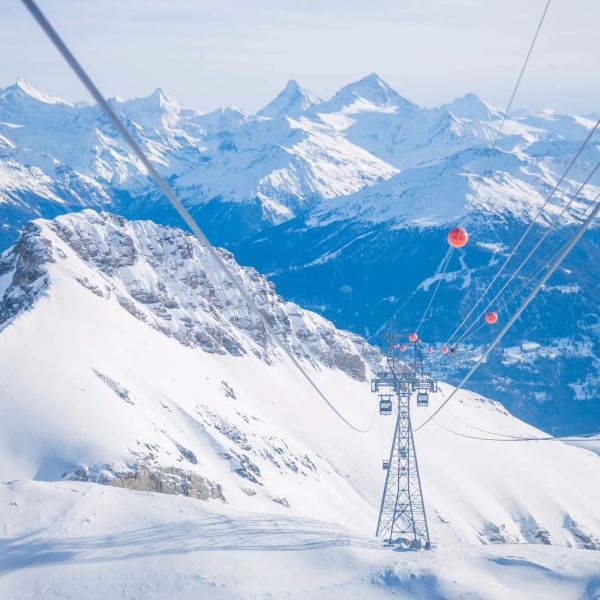
Crans-Montana 2027 World Championships President Resigns Ahead of Fraud Hearing
Less than four months out from the Crans-Montana 2027 World Championships, the man running the organising committee has stepped down. Claude-Alain Schmidhalter resigned as Swiss-Ski vice president and OC president after being indicted over a business dispute unrelated to skiing. He denies the allegations and faces court on October 27. Interim leaders are in place for the February 1-14 event.
9 Oct 2026
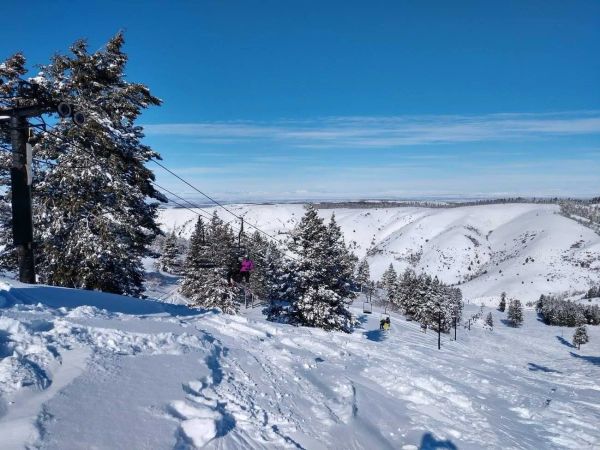
Kelly Canyon, Idaho, Adds Snowmaking, a Bigger Terrain Park and More Parking for 2026-27
Kelly Canyon had a rough 2025-26, and the Idaho resort has spent the summer making sure it doesn’t repeat. Snowmaking now reaches the top of Goldrush, the terrain park is doubling in size with a stereo system, lights and a snack shack, and the car park is getting bigger. Grooming is stepping up too. Target opening is December 4, conditions permitting.
9 Oct 2026
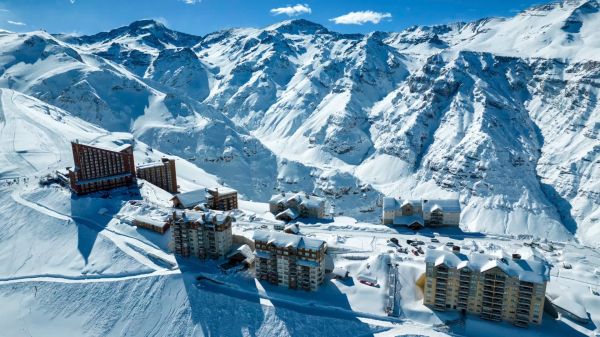
Valle Nevado Extends Season to November 8 After 108 cm in 48 Hours
Winter was meant to be winding down in Chile. Then Valle Nevado took 108 cm in 48 hours in early October, and the resort has pushed its closing date out to November 8 - its latest in 38 years of operation. That makes 143 days of skiing since opening day on June 19, with 690 cm banked for the season. Only part of the mountain is running while the storm settles, so check the mountain report before you plan a trip.
9 Oct 2026
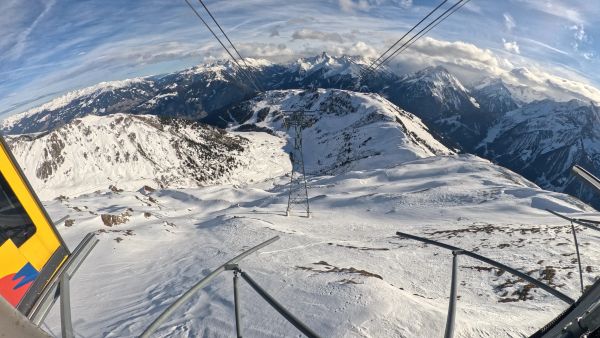
Alps Snow Forecast: Cold Front Brings Thursday Snow to the High Alps
The Alps look a lot more like winter today, for a day or so. A cold front is moving west to east, dropping up to 35 cm on high glaciers and peaks, with snow levels falling to around 1,500-1,800 m at times. Don’t plan a trip around it: mid-elevation snow will be thin and wet, every area is closed bar a limited Sölden glacier opening tomorrow, and warmer weather returns by Monday.
8 Oct 2026
California Ski Resort Opening Dates 2026-27: Mammoth Leads, Tahoe Follows
Mammoth Mountain is first up in California, targeting Friday 13 November after a dusting of September snow. Heavenly and Northstar follow on 20 November, Palisades Tahoe on Wednesday 25 November and Sugar Bowl on 27 November, with Kirkwood on 4 December and June Mountain on 19 December. Plenty of smaller areas have no date yet. A super El Niño favours the Sierra, but a warmer storm track is the catch.
7 Oct 2026
Colorado Ski Resort Opening Dates 2026-27: A-Basin and Keystone Race to Be First
Arapahoe Basin, Keystone and Winter Park are all chasing an October start, though none has a firm date yet. The first dated openers are Breckenridge and Copper on Friday 6 November, then Vail on 13 November, with most of the rest bunched around US Thanksgiving. Hesperus did not open at all last season. A super El Niño offers hope but no guarantee, and forecasters say the southern mountains have the better odds.
5 Oct 2026
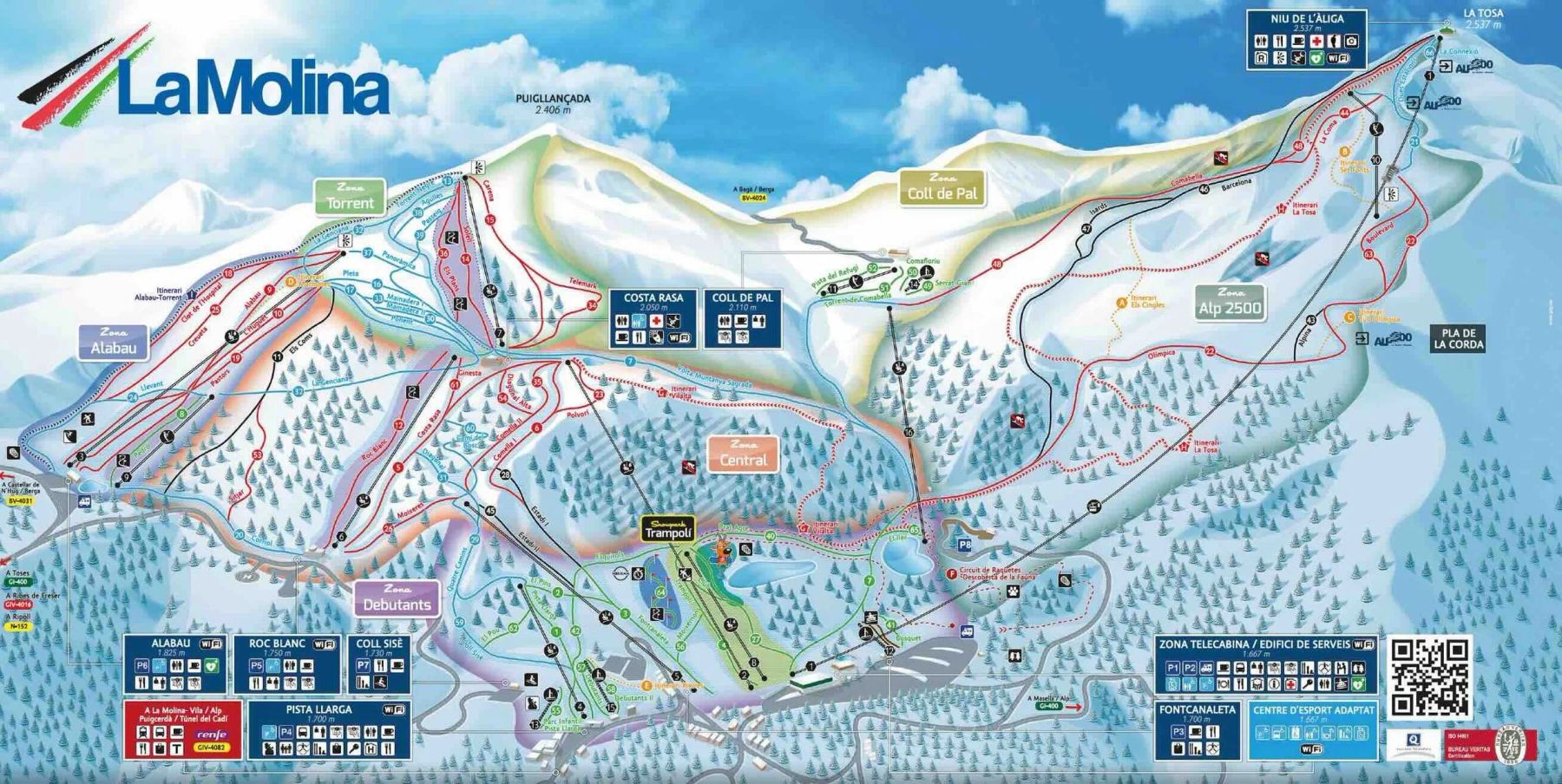
La Molina Trail Map
Downloadable La Molina trail map
Terrain split
66
runs
Beginner30%
Intermediate27%
Advanced34%
Expert9%
71 km of piste
Resort Stats
Elevation
Base1667m
Summit2537m
Annual snowfall
6m
Season
2026 - 2027
28 Nov 2026 - 25 Apr 2027
Trail coverage
66 runs
71 km
About La Molina's trail map
Explore La Molina's full trail map with 66 runs across the mountain, colour-coded by difficulty and shown alongside the terrain split. Use it to plan a day that matches your ability, find lift-served pockets of your favourite grade, and see how the resort links together. Download the piste map (PDF) ↗
More La Molina intelligence: snow report, lift system, webcams, resort overview.