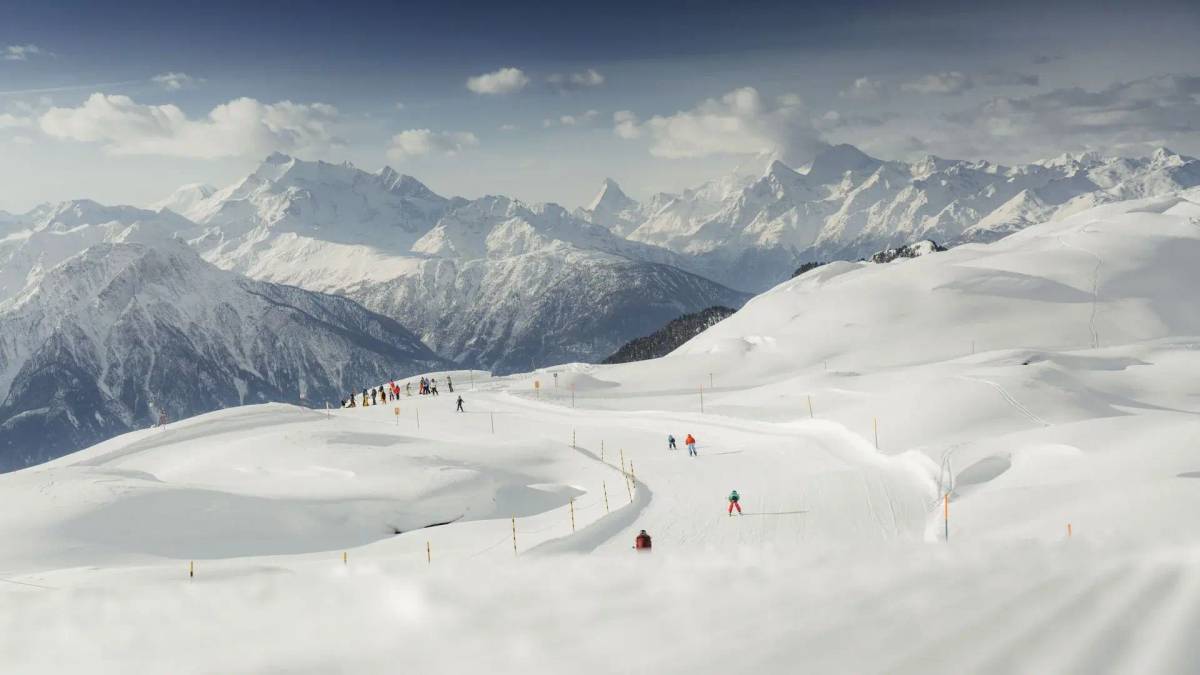
Aletsch Arena
104km skiing across 3 car-free villages. 1,024m vertical, UNESCO glacier views, 32 lifts. South-facing Valais plateau.

Season 2026 - 2027
Opens
5 Dec 2026
Closes
3 Apr 2027
Days open
119
Annual snow
8.1m
The Overview
Michael Fulton
Melbourne-based skier and snowboarder with 50+ resorts across 5 continents. Specialises in Australian resorts and international resort comparisons.
The Aletsch Arena connects three car-free villages - Riederalp, Bettmeralp, and Fiescheralp - across 104 kilometres of pistes spanning 1,845 to 2,869 metres elevation with 1,024 metres of vertical drop. The ski area operates 32 lifts serving 97 runs, distributed 40% beginner, 48% intermediate, and 12% advanced terrain, with all skiing positioned above 2,000 metres for reliable snow conditions. The resort sits within the UNESCO Swiss Alps Jungfrau-Aletsch World Heritage Site, offering direct views of the Great Aletsch Glacier, the largest glacier in the Alps at 23 kilometres long, and 40 surrounding four-thousand-metre peaks including the Matterhorn.
Terrain spreads across the three plateau villages with varied character - Riederalp and Bettmeralp deliver gentle blues and cruising reds suited to families and early intermediates, whilst Fiescheralp provides steeper terrain and access to the 2,869-metre Eggishorn summit with its signature black run. The ski area includes 15 kilometres of marked freeride routes, three snow parks, and the Glacier Panorama Tour, a signposted circuit linking viewpoints at Moosfluh (2,333 metres), Bettmerhorn (2,647 metres), Hohfluh (2,227 metres), and Eggishorn. More than 70% of pistes feature snowmaking coverage with over 250 snow cannons supporting natural snowfall that averages 4.3 metres annually.
The car-free plateau creates a relaxed, family-oriented atmosphere with ski-in/ski-out access throughout all three villages, accessible only via cable car from valley stations at Mörel, Betten, and Fiesch. The resort attracts fewer crowds than major Valais neighbours, maintains uncrowded pistes, and offers approximately 300 days of sunshine yearly on south-facing slopes. Night skiing operates on Tuesdays at Blausee chairlift and Riederalp training lifts, with floodlit runs until 21:00.
For 2025/2026, the new AlpsPass season pass (CHF 949 for adults, CHF 299 for youth, CHF 199 for children in advance sale) replaces the Aletsch-only pass and grants unlimited access to Aletsch Arena, Jungfrau Ski Region, Engelberg-Titlis, and Adelboden-Lenk, plus bonus days at Davos Klosters, Arosa Lenzerheide, LAAX, Portes du Soleil, and 4 Vallées. The 2025/2026 season runs 30 November to 21 April, with day passes priced dynamically from CHF 53 to CHF 83. The resort suits families, intermediate cruisers, and skiers prioritising scenic beauty and value over extensive challenging terrain.
1024m
Vertical
97
Runs
104 km
Piste
8.1m
Annual snow
The Terrain
97 runs across 104 km of piste
Three car-free villages share a sunny Valais terrace at Aletsch Arena, where open, treeless slopes run beneath 104 kilometres of piste and 97 runs. The skiing covers 1,024 metres of vertical between 1,845 and 2,869 metres, graded 40% beginner, 48% intermediate and 12% advanced, with no expert pistes. Because everything sits high and above the treeline, visibility is good and the slopes feel wide and uncluttered. Snow holds up well at this altitude, and the terrain is built around easy cruising and scenery rather than technical challenge, with a lift network that moves people around the plateau without fuss.
The viewpoints at Moosfluh, Hohfluh, Bettmerhorn and Eggishorn look straight onto the Great Aletsch Glacier, the longest ice stream in the Alps, and the Glacier Panorama routes between them are the signature way to cover the area. Black runs sit at Eggishorn and Bettmerhorn, and Eggishorn also has short, steep freeride variants for those carrying avalanche gear and local advice. Riederalp and Bettmeralp are easygoing for families and early intermediates. Experts will find the slopes tame after a day or two and may want a bigger, steeper neighbour for variety.
Terrain split
97
runs
97 runs across 4 grades
Beginner39 runs · 40%
Intermediate47 runs · 48%
Advanced12 runs · 12%
Expert0 runs · 0%
Time it right
When to visit Aletsch Arena
The 2025/2026 season operates from 30 November 2025 to 21 April 2026, delivering a nearly five-month window typical of high-altitude Swiss resorts, with potential extensions into October and May when snow conditions permit. All terrain sits above 1,845 metres with most skiing concentrated above 2,000 metres, providing natural snow security throughout the December-to-April core period. The south-facing orientation captures exceptional sunshine - approximately 300 days annually - whilst higher elevations and north-facing aspects preserve snow quality.
Annual snowfall averages 4.3 metres with natural accumulation supplemented by extensive snowmaking across more than 70% of pistes using over 250 cannons, ensuring coverage reliability from early season through spring. March typically delivers peak snow depth, averaging 168 centimetres at summit elevation and 104 centimetres at base. The elevated plateau position creates consistent conditions less affected by valley inversions, and the resort reports 65 sunny days on average per season. Current season statistics show 194 centimetres base depth, 66 centimetres in the past seven days, and 382 centimetres season total as of 21 May 2026.
January through March represents optimal skiing with excellent snow coverage, quieter slopes outside school holiday weeks, and reliable weather patterns. January particularly offers insider value with lower crowds than festive periods and February half-term holidays whilst maintaining excellent conditions. December and early April provide reliable skiing with longer daylight in spring, though March historically delivers the deepest snowpack. The resort advises booking ski passes early for dynamic pricing advantages, with prices ranging CHF 53 to CHF 83 for single-day tickets depending on booking timing.
The events calendar includes the Aletsch Half-Marathon running through the UNESCO World Heritage landscape, various family-oriented programmes, and weekly night skiing on Tuesdays at Blausee and Riederalp sectors until 21:00. The Glacier Panorama Tour and Gletschi Tour provide structured ski circuits throughout winter. The resort offers "Ski for free" promotions every Saturday for children and teens under 16, and First Track Bettmerhorn early-morning sessions on freshly groomed pistes. No major terrain park or competition events feature prominently in the calendar.
Season 2026 - 2027
5 Dec 2026
Opens
3 Apr 2027
Closes
119
Days open
8.1 m
Annual snow
The record
Historical snowfall at Aletsch Arena
Daily snow reports at Aletsch Arena go back to 1996, 31 winters on the books. Open the record to compare winters, lifts and piste.
61 cm
Snowiest day
4 Apr 2019
84 cm
This winter · 2026-27
so far
807 cm
Typical winter
average of complete seasons
Winter totals
cm
Past wintersThis winter
Getting there
Getting to Aletsch Arena , and where to stay
Aletsch Arena occupies a south-facing plateau high above the Rhône Valley in Valais canton, southern Switzerland, with base villages at 1,845 to 2,212 metres elevation. The resort sits within the UNESCO Swiss Alps Jungfrau-Aletsch World Heritage Site, immediately adjacent to the Great Aletsch Glacier flowing 23 kilometres from the Jungfrau massif. The three car-free villages - Riederalp, Bettmeralp, and Fiescheralp - perch on the sunny terrace above the valley floor, surrounded by 40 four-thousand-metre peaks including views extending to the Matterhorn, Eiger, Mönch, and Jungfrau.
The nearest valley towns are Mörel, Betten, and Fiesch (all below 700 metres elevation) in the Goms district of eastern Valais, accessible via direct rail from the regional hub of Brig 15 to 25 minutes west. Brig serves as the primary transport interchange, positioned at the junction of the Simplon Pass route to Italy and the Lötschberg corridor to Bern. The valley communities offer parking, accommodation alternatives, and direct cable car access to the plateau villages via short seven-to-ten-minute ascents.
Road access follows the A9/E62 motorway running the length of the upper Rhône Valley from Geneva and Lausanne in the west or via the Simplon Pass from Milan in the south. From Zurich, the 160-kilometre journey requires three to three-and-a-half hours via the Furka car-loading train from Andermatt, as no through road crosses the Alps at this latitude. From Bern, the journey extends to nearly two-and-a-half hours via the Lötschberg car-loading train from Kandersteg. Geneva lies approximately 210 kilometres distant via the A9, requiring two-and-a-half hours' drive.
Zurich Airport sits 135 kilometres northeast with three-hour train connections via Bern, whilst Geneva Airport lies 210 kilometres west with direct trains to Brig taking two hours 40 minutes. Milan Malpensa Airport in Italy offers an alternative 156 kilometres south, approximately two hours' drive via the Simplon Pass. Hourly Swiss Federal Railways services connect Geneva and Zurich airports directly to Brig, where local trains continue to Mörel, Betten, or Fiesch stations adjacent to cable car valley terminals. The integrated Fiesch transport hub opened 2019/2020 combines train, bus, and gondola access in a single barrier-free facility.
Where to stay
Search all stays →Stays map loads when you scroll here
Hotels and lodges near Aletsch Arena , powered by Stay22.
Latest News
From the SnowStash desk
Val Gardena to Alpe di Siusi Lift Link Back in Play After Court Ruling
The Val Gardena-Alpe di Siusi lift link isn’t dead after all. A South Tyrol court has overturned Santa Cristina’s rejection of the new Monte Pana-Saltria link on procedural grounds, after the council skipped required public information sessions. Opponents want the missing sessions held and a fresh vote, and nothing has been approved. For now it’s still a bus between the two, but a plan first floated in 2017 is back in the conversation.
8 Nov 2026
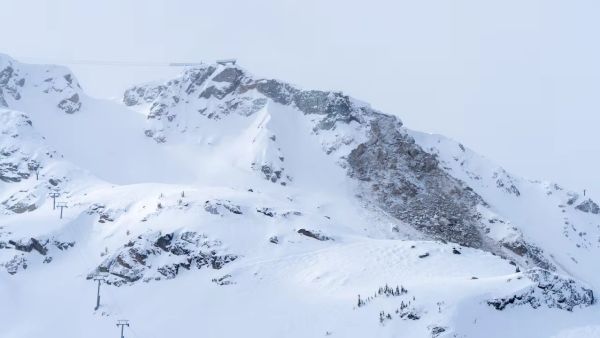
Whistler Blackcomb Rockslide Zone Stays Closed Through 2026-27 Season
A section of Whistler Peak terrain will stay closed all 2026-27 season, Vail Resorts has confirmed, with rockslide mitigation work continuing into summer 2027. Peak Express is still expected to run this winter, but locals are already arguing about what’s actually off limits, whether the Whistler Bowl is gone, and why the news landed after pass sales wound down. Here’s where things stand.
7 Nov 2026
Loveland Ski Area Opens for 2026-27 and Marks 60 Years of Snowmaking
Loveland is open. The Colorado ski area started Chet’s Dream turning on Saturday 7 November to kick off 2026-27, with $60 adult lift tickets to mark 60 years of snowmaking. Expect three runs, nearly 1,000 vertical feet (about 300 metres) of top-to-bottom skiing, live music on the Basin Patio and no beginner terrain yet. Here’s what’s open, what it costs and when Loveland Valley follows.
7 Nov 2026
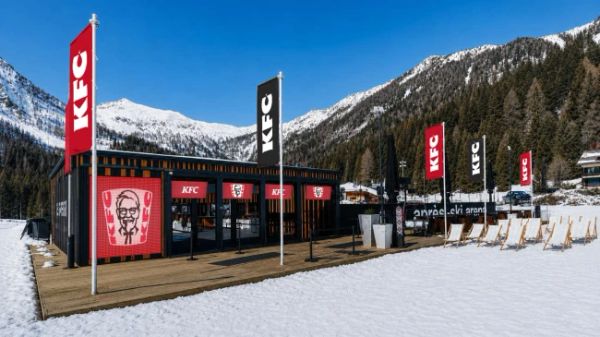
KFC Is Coming to the Slopes at Cortina and Madonna di Campiglio
Fried chicken is heading up the Dolomites. From 5 December KFC will run two restaurants on the slopes - one at 2,123 metres at Cortina, one at 1,700 metres at Madonna di Campiglio - and the polenta-and-canederli crowd has opinions. Local politicians, conservation groups and plenty of Facebook commenters are calling it a step too far, while others just want a cheaper lunch. Here’s what’s on the menu and what’s the fuss.
5 Nov 2026
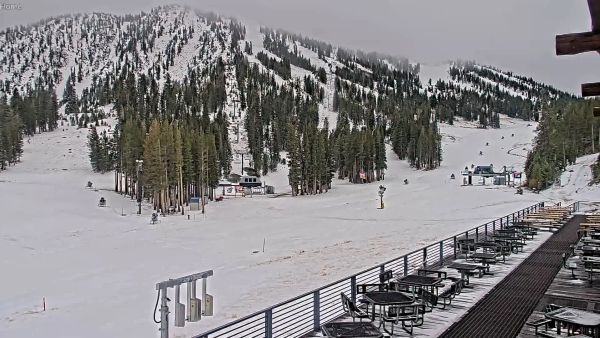
Mt Rose Aims to Open First in Tahoe on November 6
Mt Rose is going for the first-in-Tahoe title, with the Lakeview Express due to spin at 9 a.m. on Friday, November 6. One main lift, three runs and plenty of snowmaking, sitting on the highest base elevation in the region at 8,260 ft. Here is what is open, what is not (sorry, tubing fans), and how the early North American openings are stacking up.
4 Nov 2026
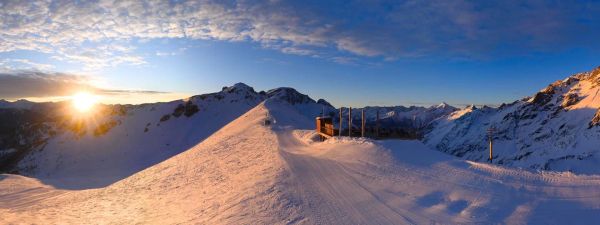
Europe Snow Forecast: Serre Chevalier Leads With 82 cm Over the Next 10 Days
Europe has had a quiet start to November, but our 10-day forecast has Serre Chevalier on 82 cm and Les 2 Alpes on 71 cm. Two pushes are lined up: a western Alps top-up from Friday, then a bigger, wider system on Thursday, November 12 and Friday, November 13 that reaches Italy and Switzerland. Full leaderboard inside.
4 Nov 2026
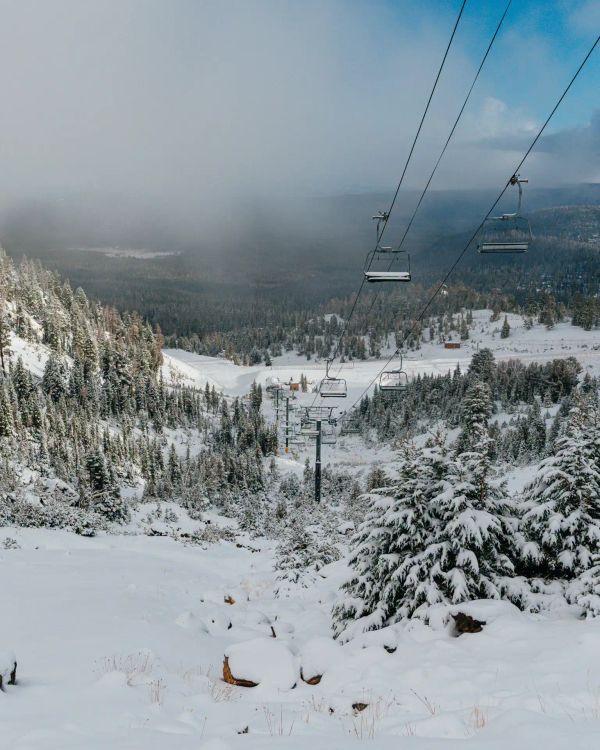
Mammoth Mountain Opens Early on November 5 With Up to 33 Inches of Snow in the Forecast
Mammoth just moved opening day forward to Thursday, November 5, eight days ahead of schedule. A snowy weekend and cold snowmaking nights did the work, and our forecast shows up to 33 inches more landing on November 13 and 14. Here is what opens, what the weather looks like and where Mammoth sits among the early Ikon Pass openers.
3 Nov 2026
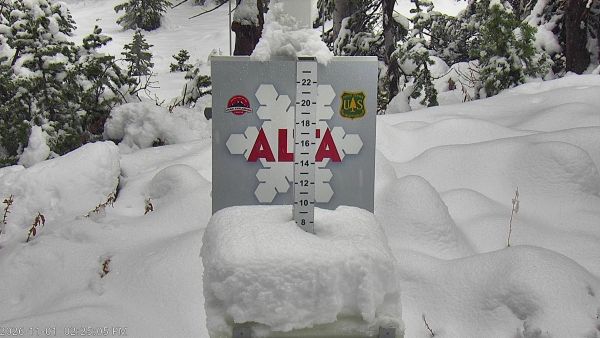
Utah Snow Storm Builds Early-Season Base Ahead of November Openings
Rain down low, snow up high, and a snow report full of zeros that mostly means ‘not updated yet’. Utah’s first proper storm of 2026-27 is rolling through the Wasatch, Snowbird’s snow stake is closing in on 10 inches, and Brian Head is five days from opening day. Early November snow rarely looks like much, but it is the layer every November opening date is built on. Here is where it stands.
1 Nov 2026
Aletsch Arena Webcams
4 live angles across the mountain. Tap any camera to go full-screen.
About Aletsch Arena 's live webcams
Check live conditions across Aletsch Arena with 4 real-time webcams showing snow, weather, and lift operations, updated every 10 minutes. Check high-elevation cams for powder visibility and base-area cams for crowd levels before you head up.
Camera guide
- Riederalp Moosfluh Summit2333m
- Experience spectacular glacier views through this Aletsch Arena webcam positioned at Moosfluh summit station at 2333 meters elevation overlooking the UNESCO World Heritage Aletsch Glacier. This Aletsch Arena live cam captures breathtaking panoramas of Europe's largest glacier and surrounding 4000-meter peaks in the Valais Alps. Essential for assessing upper mountain conditions, this live snow cam provides unmatched visibility across the dramatic alpine landscape, while this Aletsch Arena web cam showcases why this Swiss resort offers one of the world's most spectacular high-altitude skiing experiences above the legendary ice river.
- Bettmeralp Wurzenbord Summit2647m
- Monitor upper terrain conditions through this Aletsch Arena webcam at Wurzenbord summit station at 2647 meters elevation. This Aletsch Arena live cam captures the Bettmeralp sector's highest accessible point, showing real-time conditions on advanced terrain. Perfect for powder hunters seeking high-altitude Swiss skiing, this live snow cam provides crucial visibility across glacier-adjacent slopes, while this Aletsch Arena web cam demonstrates the impressive vertical drop and alpine scenery that attracts skiers to this car-free Valais resort village.
- Fiesch Eggishorn Summit2869m
- Experience the highest perspectives through this Aletsch Arena webcam positioned at Eggishorn summit at 2869 meters elevation. This Aletsch Arena live cam offers commanding views from the resort's peak, revealing conditions across all three interconnected mountain villages and the massive Aletsch Glacier below. Essential for advanced skiers assessing high-alpine terrain, this live snow cam showcases breathtaking 360-degree panoramas, while this Aletsch Arena web cam provides the ultimate visibility across this UNESCO World Heritage skiing destination in the Swiss Valais region.
- Fiescheralp Village2212m
- Stay connected to the Fiesch sector through this Aletsch Arena webcam at Fiescheralp village at 2212 meters elevation. This Aletsch Arena live cam captures activity in the eastern car-free resort village, providing real-time views of base facilities and departure points for upper mountain lifts. Perfect for monitoring operational status and village conditions, this live snow cam shows the charming alpine atmosphere, while this Aletsch Arena web cam helps visitors navigate this unique Swiss resort spread across three traffic-free mountain communities in the Valais Alps.
Aletsch Arena snow cams FAQ
How often do Aletsch Arena snow cams update?
All Aletsch Arena snow cams and webcams update every 10 minutes with fresh images showing current mountain conditions. This frequent update schedule ensures you have access to near real-time conditions for planning your ski day at Aletsch Arena .
Which Aletsch Arena webcam shows the best powder conditions?
The high-elevation Fiesch Eggishorn Summit webcam at 2,869m provides the clearest view of powder conditions and snowfall. These Aletsch Arena webcams capture fresh snow accumulation and visibility better than base area cameras.
Can I see Aletsch Arena lift queues on the webcams?
Yes. Multiple Aletsch Arena snow cams specifically show lift queue areas and chairlift operations, helping you time your arrival and avoid peak queue periods.
When is the best time to check Aletsch Arena snow cams?
Check Aletsch Arena webcams early morning (7-8am) for overnight snowfall assessment, and mid-afternoon for current crowd levels and weather. The live cams are most useful after storm events to assess fresh powder.
How can I check current conditions before buying Aletsch Arena lift tickets?
Use our Aletsch Arena webcams alongside the live snow report to assess conditions before purchasing lift tickets. The webcams show real-time visibility, snow quality, and operational status.
Do Aletsch Arena webcams work on mobile devices?
Yes. All Aletsch Arena snow cams and webcams are optimized for mobile viewing, so you can check live conditions from anywhere using your phone or tablet.
More Aletsch Arena intelligence: snow report, lift tickets, trail map, resort overview.