
Grimentz/Zinal
1,330m vertical, 115km piste, 22 lifts linking Grimentz and Zinal. Northeast-facing terrain, Magic Pass access. Val d'Anniviers.
Season 2026 - 2027
Opens
28 Nov 2026
Closes
18 Apr 2027
Days open
141
Annual snow
4m
The Overview
Michael Fulton
Melbourne-based skier and snowboarder with 50+ resorts across 5 continents. Specialises in Australian resorts and international resort comparisons.
Grimentz/Zinal spans 1,570 to 2,900 metres across 115 kilometres of piste served by 22 lifts, with a vertical drop of 1,330 metres linking two authentic Valais villages 8 kilometres apart. The ski area opened in its current form in winter 2013/14 when a 3-kilometre aerial tramway connected the formerly separate sectors of Grimentz and Zinal. Terrain splits 23% beginner, 51% intermediate and 26% advanced across 40 runs, with northeast-facing slopes ensuring reliable snow coverage from early December through late April. Five 4,000-metre peaks form the Imperial Crown backdrop - Weisshorn at 4,505 metres, Zinalrothorn, Obergabelhorn, Dent Blanche and Bishorn.
Beginner slopes cluster around Bendolla on the Grimentz side and Sorebois at Zinal, whilst intermediates spread across both sectors on wide, groomed bowls between 2,000 and 2,900 metres. Advanced terrain includes the 1,300-metre Lona black run at Grimentz and the 7-kilometre Chamois descent linking Zinal to Grimentz village. The Gardes de Bordon freeride zone at Zinal covers 100 hectares and includes Switzerland's first avalanche training centre, opened in 2014. Off-piste routes into Vallon d'Orzival drop 1,500 vertical metres to the hamlet of St Jean.
Grimentz village sits at 1,572 metres with dark timber chalets dating from the 15th century, whilst Zinal at 1,675 metres retains a quieter mountain character beneath the Imperial Crown cirque. Lift queues remain rare even during February half-term, and seven mountain restaurants serve the ski area including Espace Weisshorn at 2,700 metres. Snowmaking covers 30% of terrain with 250 cannons ensuring coverage on lower sections. The area attracts freeride skiers seeking untracked powder days after storms.
Daily lift passes cost CHF 72, rising to CHF 82 at peak periods, with the Val d'Anniviers pass adding St-Luc-Chandolin and Vercorin for CHF 89. Magic Pass holders access the resort as part of a CHF 459 season ticket covering 80 Swiss areas. Free ski buses link Grimentz, Zinal and neighbouring valleys throughout winter. The resort suits confident intermediates, advanced skiers and powder seekers, though limited mellow terrain restricts absolute beginners.
1330m
Vertical
40
Runs
115 km
Piste
4m
Annual snow
The Terrain
40 runs across 115 km of piste
Grimentz-Zinal joins two Val d'Anniviers villages into 40 runs and 115 kilometres of piste, dropping 1,330 metres from 2,900 metres down to 1,570 metres. Intermediates account for 51%, with 26% advanced and 23% beginner, and no expert grading. Most of the skiing sits above the treeline on wide, rocky slopes. The two sectors were linked in 2014 by a 3-kilometre cable car, and gondolas, chairs and nine T-bars now connect the bowls beneath the Weisshorn and Zinalrothorn. Northeast-facing slopes help hold snow from early December.
The Lona black run is the main on-piste test at Grimentz, and the 7-kilometre Chamois descent links Zinal back to Grimentz village. Freeriders head for the Gardes de Bordon zone above Zinal, around 100 hectares that includes an avalanche training centre, and for routes towards Vallon d'Orzival and St Jean. Beginner slopes cluster around Bendolla and Sorebois. Confident intermediates and advanced skiers get the most from it, while those wanting only gentle slopes will find the beginner share limited. Free ski buses connect the neighbouring valleys.
Terrain split
40
runs
40 runs across 4 grades
Beginner9 runs · 23%
Intermediate20 runs · 51%
Advanced10 runs · 26%
Expert0 runs · 0%
Time it right
When to visit Grimentz/Zinal
The 2025/26 season runs 7 December 2025 through 21 April 2026, with weekend operations potentially starting mid-November in favourable snow conditions. Bendolla and Sorebois sectors typically open weekends from 15 November, transitioning to daily operations by early December. The season extends 19-20 weeks depending on snowpack, closing in mid-to-late April as spring temperatures rise. Altitude between 1,570 and 2,900 metres provides a 5-month operating window, longer than many mid-sized Swiss resorts.
Annual snowfall averages 430 centimetres across the ski area, with the resort recording 150-200 centimetres base depth each winter according to 10-year records. February delivers the heaviest precipitation with 30-plus centimetre storms occurring 3-4 times monthly from December through April. Northeast-facing terrain holds snow quality through spring, whilst 250 snowmaking units cover lower runs to Grimentz and Zinal villages. Base depths fluctuate from 20 centimetres early season to 60-165 centimetres by mid-winter, with summit zones retaining coverage into late April.
Optimal timing spans mid-January through mid-March when base depths exceed 100 centimetres and powder remains untracked for days after storms. February offers peak conditions but attracts school holiday crowds, whilst March balances snow quality with longer daylight and warmer temperatures. December and early January suit early-season enthusiasts, though coverage remains variable below 2,000 metres. April delivers spring corn snow on sunny slopes, with softer afternoon conditions. Quieter periods include early December, January outside holidays, and post-Easter April.
No major events disrupt normal operations, though the Sierre-Zinal mountain race passes through the valley each August. Night skiing does not operate at Grimentz/Zinal. The resort maintains a low-key calendar focused on daily operations rather than special programming. Avalanche training sessions run regularly at the Gardes de Bordon centre throughout winter for groups and ski schools.
Season 2026 - 2027
28 Nov 2026
Opens
18 Apr 2027
Closes
141
Days open
4 m
Annual snow
Getting there
Getting to Grimentz/Zinal, and where to stay
Grimentz/Zinal occupies the upper Val d'Anniviers, a side valley branching south from the Rhône near Sierre in canton Valais, southwest Switzerland. Grimentz sits at 1,572 metres on the western fork, whilst Zinal at 1,675 metres lies 11 kilometres southeast up the main valley beneath the Imperial Crown massif. The valley extends 30 kilometres from the Rhône, narrowing as it climbs through traditional Valaisan hamlets including Vissoie at 1,200 metres, where the road splits toward both resort villages. Surrounding peaks include five 4,000-metre summits forming an alpine amphitheatre above Zinal.
Sierre lies 27 kilometres north via winding mountain roads, serving as the valley's transport hub at 533 metres in the Rhône corridor. From Sierre, the route climbs 16 kilometres to Vissoie through switchbacks and narrow sections carved into steep valley walls. Beyond Vissoie, roads diverge - 7 kilometres west to Grimentz or 11 kilometres south to Zinal. The journey from Sierre takes 35-45 minutes by car or PostBus, with road conditions requiring winter tyres November through April. Other Val d'Anniviers villages include St-Luc, Chandolin and Vercorin, accessible via separate forks from the main valley road.
Road access from Geneva follows the A9 motorway east through the Rhône valley to the Sierre-Ouest exit, then Route 9 into Val d'Anniviers. The 185-kilometre drive takes 2 hours to Vissoie under normal conditions, adding 15-20 minutes to reach either village. From Zurich, the 260-kilometre route via Bern and the Lötschberg takes 3.5-4 hours. Roads narrow considerably above Sierre, with buses using both lanes on tight switchbacks. Parking exists at both village lift stations, with Zinal charging daily fees whilst Grimentz offers free spaces near the Bendolla gondola.
Geneva Airport sits 185 kilometres west, with hourly direct trains to Sierre/Siders taking 2 hours 15 minutes. Zurich Airport lies 260 kilometres northeast, requiring train changes via Bern for a 3.5-hour journey. From Sierre station, PostBus route 451 serves Vissoie every hour, requiring a change to routes toward Grimentz or Zinal with journey times totalling 45-60 minutes. Free ski buses circulate between Val d'Anniviers resorts during winter, though services to outer villages run infrequently. Private transfer operators including Taxi Anniviers serve both airports, whilst car rental desks operate at Geneva and Zurich terminals.
Where to stay
Search all stays →Hotels and lodges near Grimentz/Zinal, powered by Stay22.
Latest News
From the SnowStash desk
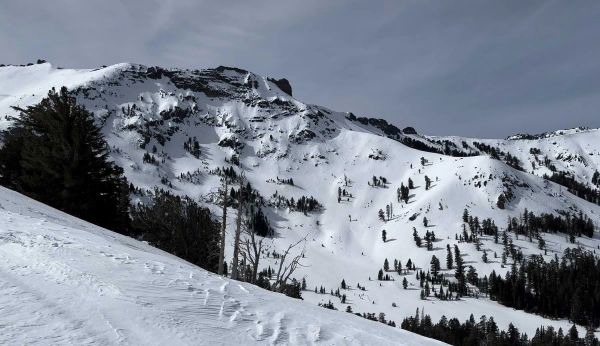
California Ski Resort Opening Dates 2026-27: Mammoth Leads, Tahoe Follows
Mammoth Mountain is first up in California, targeting Friday 13 November after a dusting of September snow. Heavenly and Northstar follow on 20 November, Palisades Tahoe on Wednesday 25 November and Sugar Bowl on 27 November, with Kirkwood on 4 December and June Mountain on 19 December. Plenty of smaller areas have no date yet. A super El Niño favours the Sierra, but a warmer storm track is the catch.
7 Oct 2026
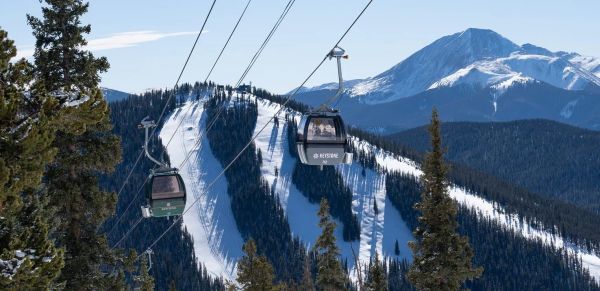
Colorado Ski Resort Opening Dates 2026-27: A-Basin and Keystone Race to Be First
Arapahoe Basin, Keystone and Winter Park are all chasing an October start, though none has a firm date yet. The first dated openers are Breckenridge and Copper on Friday 6 November, then Vail on 13 November, with most of the rest bunched around US Thanksgiving. Hesperus did not open at all last season. A super El Niño offers hope but no guarantee, and forecasters say the southern mountains have the better odds.
5 Oct 2026
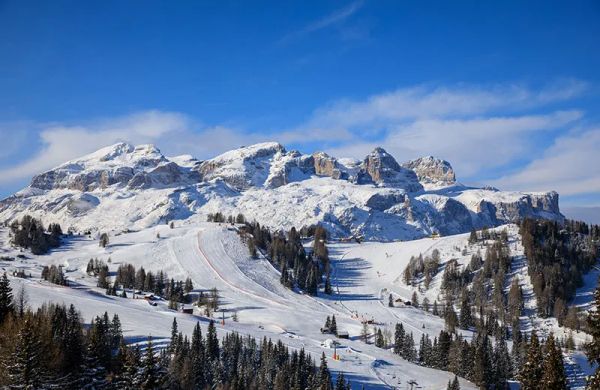
Dolomiti Superski 2026-27: Four New Gondolas, New Reservoirs and an €89 Peak Day Pass
Dolomiti Superski is spending around €100 million across its 12 areas before winter. Kronplatz gets a new 10-passenger gondola with a middle station, 3 Zinnen gets Helmissimo, and Val di Fassa swaps a chairlift for a gondola above Col Valvacin. New water-storage basins and upgraded snowmaking follow, and construction has started on the San Martino to Passo Rolle link. A peak adult day pass is €89.
4 Oct 2026
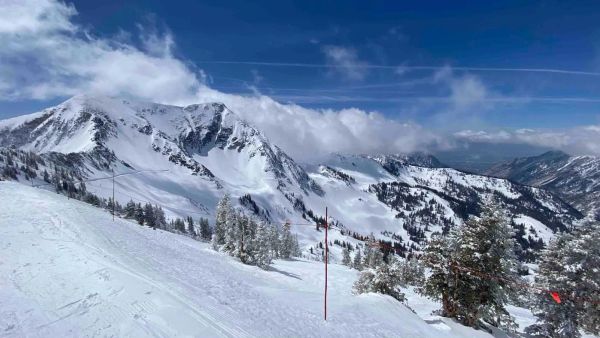
Utah Ski Resort Opening Dates 2026-27: Brian Head First, Eagle Point Out
Brian Head is targeting 6 November, though last year it aimed for 7 November and did not open until the 25th. Park City, Alta and Solitude are pencilled in for 20 November, Snowbird and Snowbasin for 27 November, and Deer Valley for 5 December. Eagle Point will stay closed after the Cottonwood Fire. A super El Niño is forecast, but the big snow is not expected until January.
4 Oct 2026
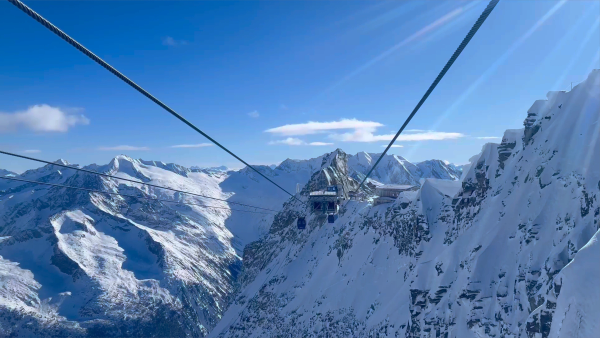
Hintertux Glacier Opens for 2026-27 With 12 Kilometres of Piste
Hintertux became Austria's second glacier to open for 2026-27 on Friday 2 October, after the Pitztal Glacier. Twelve kilometres of piste are running around the Olperer and Gefrorene Wand, served by one gondola and two drag lifts, with the Betterpark also open. Lifts officially run 8:15 am to 4:30 pm, but skiing stops at 2 pm for now.
4 Oct 2026
Vail Resorts Counts the Cost of a Thin Winter as Pass Sales Slide Further
A historically poor western winter cut Vail Resorts' annual net income from $280 million to $147.5 million and skier visits by 13.4 per cent. Now 2026-27 pass units are down 12 per cent as of 18 September, worse than the 10 per cent flagged in spring. Vail blames the weather and thinks some buyers are simply waiting, and it forecasts a rebound if the snow behaves.
3 Oct 2026
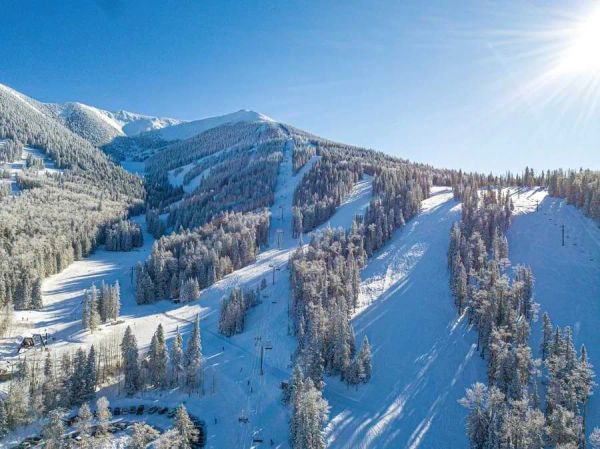
Arizona Snowbowl's $1 Lift Tickets Are Hard to Find, but $9 Days Are Not
Arizona Snowbowl advertised eight $1 lift ticket days this winter. Go looking and only three are showing - 10 March, 1 April and 10 April - so the rest may already have gone. The consolation is a calendar full of $9 days, including all but one day in April. Opening day is 20 November, weather permitting, and opening weekend is $19.
2 Oct 2026
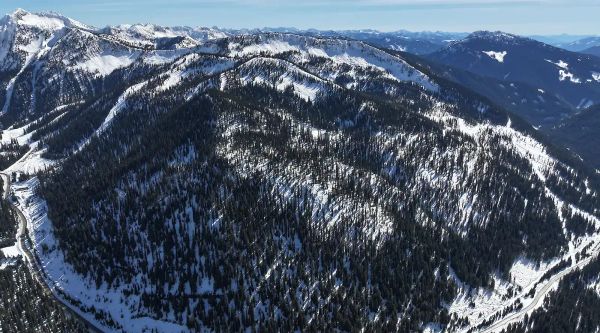
Whitewater Brings Its Short Side Inbounds, With Six New Runs for 2026-27
For years, Whitewater's Short Side was where you ducked a rope and hoped for the best: unmapped, ungroomed and unpatrolled. This winter it's inbounds. Six new runs of glades and fall-line skiing add 190 acres (about 77 hectares), taking the resort past 1,400 acres in total. F2 Logging spent a month in the trees to make it happen, and opening day is pencilled in for 4 December. Bonanza now needs less snow to groom, too.
1 Oct 2026
Grimentz/Zinal Webcams
6 live angles across the mountain. Tap any camera to go full-screen.
About Grimentz/Zinal's live webcams
Check live conditions across Grimentz/Zinal with 6 real-time webcams showing snow, weather, and lift operations, updated every 10 minutes. Check high-elevation cams for powder visibility and base-area cams for crowd levels before you head up.
Camera guide
- Grimentz - Barrage de Moiry2250m
- Grimentz/Zinal webcam at the Barrage de Moiry dam at 2,250 metres, one of the most dramatic viewpoints in the Val d'Anniviers with the turquoise glacial reservoir and the Moiry glacier tumbling from the Imperial Crown peaks above. This Grimentz live cam monitors conditions on the high alpine terrain surrounding the dam and provides early warning of weather systems approaching from the southwest. A stunning Grimentz snowcam for assessing visibility across the upper valley and confirming conditions before skiing toward the Lona sector above.
- Zinal - Cabane de Tracuit3256m
- Grimentz/Zinal live cam at the Cabane de Tracuit mountain hut at 3,256 metres, delivering the highest and most dramatic webcam view in the entire ski area - looking directly across the Imperial Crown massif with the Weisshorn at 4,505 metres towering above. This Zinal snowcam sits above the highest ski runs and provides an authoritative read on high-alpine weather conditions and visibility before descending into the ski area. An essential Grimentz/Zinal webcam for freeride skiers and ski tourers checking summit conditions before venturing into the Gardes de Bordon off-piste zones.
- Grimentz - Bendolla2130m
- Grimentz webcam at Bendolla at 2,130 metres, the gondola arrival point on the Grimentz side where wide intermediate runs fan out toward the Grands Plans chairlift and the connection to Sorebois and Zinal. This Grimentz live cam monitors the central Bendolla plateau and is the primary reference for conditions on the Grimentz sector before committing to a full day across both sides of the ski area. A key Grimentz snowcam for checking morning grooming quality and visibility on the northeast-facing slopes that hold powder longest after storms.
- Zinal - Sorebois2440m
- Zinal webcam at Sorebois at 2,440 metres - the mid-mountain hub of the ski area and gondola mid-station - looking out across the wide open bowl above Zinal toward the five 4,000-metre peaks of the Imperial Crown massif. This Zinal live cam monitors conditions at the crossroads of the ski area where the Zinal gondola stops and where skiers transfer between the upper mountain and the valley connection. An indispensable Grimentz/Zinal snowcam for assessing visibility across the Sorebois plateau and planning the route toward Espace Weisshorn and the Lona sector above.
- Grimentz/Zinal - Espace Weisshorn2700m
- Grimentz/Zinal live cam at Espace Weisshorn at 2,700 metres - the summit arrival of the 3-kilometre aerial tramway, the third-longest cable car in Switzerland, with a commanding panorama of the Weisshorn, Zinalrothorn, Obergabelhorn, Dent Blanche and Bishorn peaks. This Zinal snowcam sits at the highest serviced point in the ski area and is the definitive visibility and conditions check before skiing the Lona 1,300-metre black run or the 7-kilometre Chamois descent linking the two villages. A must-check Grimentz/Zinal webcam for advanced skiers and freeriders assessing upper-mountain snow quality and wind exposure.
- Grimentz - Relais de la Tzoucdana1700m
- Grimentz live snow cam at Relais de la Tzoucdana at 1,700 metres, the mid-valley restaurant and gathering point where the Chamois run from Zinal and the Grimentz valley pistes converge at the bottom of the main ski area. This Grimentz webcam monitors the lower ski area and the gondola departure zone, essential for checking whether lower-mountain snow coverage is sufficient and gauging conditions for the final runs back to the village. A practical Grimentz/Zinal snowcam for timing your last descent of the day and confirming whether the valley connection is open.
Grimentz/Zinal snow cams FAQ
How often do Grimentz/Zinal snow cams update?
All Grimentz/Zinal snow cams and webcams update every 10 minutes with fresh images showing current mountain conditions. This frequent update schedule ensures you have access to near real-time conditions for planning your ski day at Grimentz/Zinal.
Which Grimentz/Zinal webcam shows the best powder conditions?
The high-elevation Zinal - Cabane de Tracuit webcam at 3,256m provides the clearest view of powder conditions and snowfall. These Grimentz/Zinal webcams capture fresh snow accumulation and visibility better than base area cameras.
Can I see Grimentz/Zinal lift queues on the webcams?
Yes. Multiple Grimentz/Zinal snow cams specifically show lift queue areas and chairlift operations, helping you time your arrival and avoid peak queue periods.
When is the best time to check Grimentz/Zinal snow cams?
Check Grimentz/Zinal webcams early morning (7-8am) for overnight snowfall assessment, and mid-afternoon for current crowd levels and weather. The live cams are most useful after storm events to assess fresh powder.
How can I check current conditions before buying Grimentz/Zinal lift tickets?
Use our Grimentz/Zinal webcams alongside the live snow report to assess conditions before purchasing lift tickets. The webcams show real-time visibility, snow quality, and operational status.
Do Grimentz/Zinal webcams work on mobile devices?
Yes. All Grimentz/Zinal snow cams and webcams are optimized for mobile viewing, so you can check live conditions from anywhere using your phone or tablet.
More Grimentz/Zinal intelligence: snow report, lift tickets, trail map, resort overview.