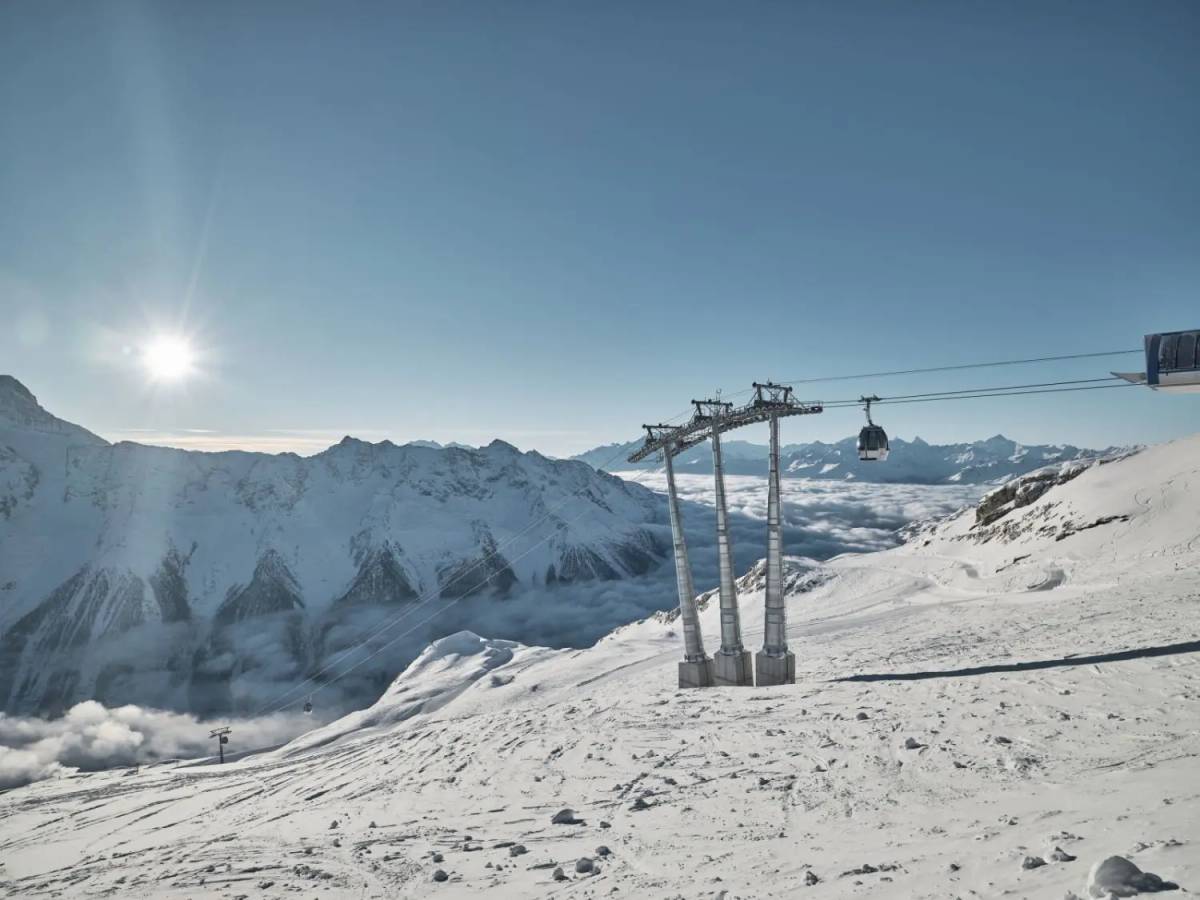
Lauchernalp
Lauchernalp: 1,688m vertical, 3,111m summit, 40km piste. Magic Pass access in UNESCO World Heritage setting, Valais.

Season 2026 - 2027
Opens
12 Dec 2026
Closes
11 Apr 2027
Days open
120
Annual snow
4.9m
The Overview
Michael Fulton
Melbourne-based skier and snowboarder with 50+ resorts across 5 continents. Specialises in Australian resorts and international resort comparisons.
The ski area spans 1,403 to 3,111 metres elevation across 40 kilometres of piste, dividing 12 marked runs over 1,688 vertical metres. Terrain splits 45 per cent beginner, 35 per cent intermediate and 20 per cent advanced, with off-piste terrain between prepared runs attracting freeriders. The Hockenhorngrat summit at 3,111 metres delivers views across 40 peaks above 4,000 metres in the UNESCO Jungfrau-Aletsch World Heritage Site. Average annual snowfall reaches 4.3 metres, whilst the elevation spread and predominantly north-facing aspect ensure reliable coverage from December through April.
The upper slopes between Stafel at 2,100 metres and Gandegg at 2,720 metres offer wide, varied terrain for progression, with blue runs occupying both lower and upper sectors. Four black pistes totalling 18 kilometres challenge experts, whilst five intermediate runs traverse the full vertical. The Stägäru descent from Gandegg provides an entry point for skiers attempting their first black run. Natural halfpipes and accessible sidecountry terrain extend options beyond the marked 40 kilometres, with routes to Kippel village offering alternative descents for confident skiers.
Lauchernalp sits on a sunny terrace between 1,900 and 2,100 metres above the Lötschental, accessed via cable car from Wiler village. The compact base area centres on mountain huts and the Panorama Restaurant Zudili at the main facilities. Weekend crowds increase when Magic Pass holders arrive from regional centres, though weekday skiing remains quiet. The isolated location and traditional valley character contrast with larger Valais resorts, creating an atmosphere that prioritises terrain quality over extensive amenities.
Magic Pass coverage from CHF 459 provides access alongside 69 other Swiss destinations, replacing individual season tickets from 2023. Daily rates range from CHF 54 to CHF 62 for adults, with dynamic pricing rewarding advance purchase. The 2025-26 season runs 14 December to 21 April, slightly shorter than major neighbours. Lauchernalp suits intermediates seeking varied terrain, freeriders prioritising accessible off-piste, and families requiring manageable elevations, though limited run count may restrict week-long visits without combining nearby resorts.
1688m
Vertical
12
Runs
40 km
Piste
4.9m
Annual snow
The Terrain
12 runs across 40 km of piste
Lauchernalp is a compact Lötschental ski area with 12 runs over 40 kilometres, falling 1,688 metres from 3,091 metres to a village base at 1,403 metres. The mix is 45% beginner, 35% intermediate and 20% advanced, with nothing graded expert. Only six lifts are needed: an aerial tram, a gondola, a six-seat chair, a triple chair, a T-bar and a surface lift. The sunny terrace above the valley stays quiet outside holiday weeks, which makes it an easy place to get laps in without queuing, even on a Saturday.
The glacier cable car climbs toward the Hockenhorn ridge and opens the high terrain above the village, while the Stafel-Gandegg chairlift gives access to the widest spread of ungroomed, rocky off-piste around its two pistes. Freeriders can look further afield, since the Lötschental is known for ski touring and backcountry routes that demand proper avalanche gear and local knowledge. Families and relaxed intermediates suit the groomed side of the mountain, while confident off-piste skiers can treat it as a quiet alternative to the bigger Valais names.
Terrain split
12
runs
12 runs across 4 grades
Beginner5 runs · 45%
Intermediate4 runs · 35%
Advanced2 runs · 20%
Expert0 runs · 0%
Time it right
When to visit Lauchernalp
The 2025-26 season operates 14 December 2025 to 21 April 2026, spanning 128 days with possible pre-season opening 6-8 December if snowfall permits. The 2026-27 season opens 12 December 2026 and closes 11 April 2027. Typical operations run mid-December through mid-April, with late November and late April dates depending on conditions. Operating hours maintain consistency through the season, with the cable car beginning at 07:15 and lifts operating until 16:35 daily.
Average annual snowfall totals 4.3 metres, with the highest accumulation occurring January through March. The elevation advantage and predominantly north-facing slopes preserve snow quality weeks after storms, often maintaining excellent conditions when lower valleys struggle. Current base depth sits at 299 centimetres at 3,111 metres, with 52 centimetres falling in the past week and 418 centimetres season total. Minimal snowmaking supplements natural precipitation, though the high base elevation at 1,403 metres and summit at 3,111 metres provide inherent reliability.
January through March delivers optimal powder skiing, with February historically receiving the heaviest snowfall. Week 2 of January averages 51 centimetres across 3.8 snowy days, representing peak accumulation periods. Spring skiing extends through April on upper slopes, with the Hockenhorngrat gondola accessing terrain above 2,700 metres where coverage persists. December and early January conditions vary annually depending on early-season storms, whilst late March brings increasing sunshine and stable snow on north aspects.
No major events calendar disrupts the quiet season character, though traditional Lötschental carnival features Tschäggättä masked figures in February. Night skiing does not operate given the cable car-dependent access and remote location. Summer operations run the Wiler-Lauchernalp cable car and Lauchernalp-Stafel chairlift weekends from late May through early November, with daily service mid-July through mid-August for hiking access.
Season 2026 - 2027
12 Dec 2026
Opens
11 Apr 2027
Closes
120
Days open
4.9 m
Annual snow
The record
Historical snowfall at Lauchernalp
Daily snow reports at Lauchernalp go back to 2017, 10 winters on the books. Open the record to compare winters, lifts and piste.
113 cm
Snowiest day
17 Apr 2025
48 cm
This winter · 2026-27
so far
491 cm
Typical winter
average of complete seasons
Winter totals
cm
Past wintersThis winter
Getting there
Getting to Lauchernalp, and where to stay
Lauchernalp occupies the southern slopes of the Lötschental, the largest valley on the northern side of the Rhône Valley in Valais canton. The valley extends 27 kilometres from the Lötschenlücke glacier at 3,178 metres to Gampel-Steg at 630 metres, enclosed by peaks including the Bietschhorn at 3,934 metres. Wiler village at 1,419 metres serves as the cable car base, whilst the ski area plateau sits between 1,900 and 2,100 metres. The UNESCO Jungfrau-Aletsch Protected Area borders the valley's eastern edge, declared a Natural World Heritage Site in 2001.
Wiler lies 0.5 kilometres from the resort base, with Kippel at 0.6 kilometres and Ferden at 1.9 kilometres forming the valley's primary settlements. The four villages total approximately 1,500 inhabitants across the isolated valley. Blatten village at the valley head suffered complete burial in a May 2025 landslide, reducing accommodation options. Brig sits 25 minutes south via Goppenstein, whilst the valley's position north of the main Rhône corridor creates distinct separation from through-traffic routes.
Road access from the south follows the Rhône Valley motorway A9 to Gampel-Steg, then a narrow mountain road through Goppenstein and the valley villages. Driving from the north requires the Lötschberg car shuttle train from Kandersteg to Goppenstein, a 15-minute rail journey departing every 30 minutes. The shuttle costs approximately CHF 27 per vehicle, avoiding the lengthy drive via mountain passes. From Goppenstein station, the valley road runs 5 kilometres to Wiler through Ferden and Kippel, with sections narrowing through village centres requiring careful navigation.
Bern Airport sits 79 kilometres distant with 1 hour 38 minutes driving time, though international connections favour Zurich Airport at 207 kilometres or Geneva at 204 kilometres. Goppenstein railway station provides the practical access point, served hourly by RegioExpress trains on the Bern-Lötschberg-Simplon line. Journey time from Bern reaches 1.5 hours, from Zurich 2.5 hours and from Brig 25 minutes. PostBus route 591 meets arriving trains, connecting Goppenstein to Wiler cable car base in 10 minutes with service coordinated to rail schedules.
Where to stay
Search all stays →Stays map loads when you scroll here
Hotels and lodges near Lauchernalp, powered by Stay22.
Latest News
From the SnowStash desk
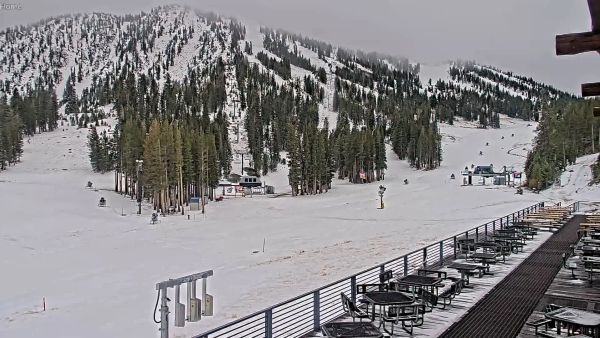
Mt Rose Aims to Open First in Tahoe on November 6
Mt Rose is going for the first-in-Tahoe title, with the Lakeview Express due to spin at 9 a.m. on Friday, November 6. One main lift, three runs and plenty of snowmaking, sitting on the highest base elevation in the region at 8,260 ft. Here is what is open, what is not (sorry, tubing fans), and how the early North American openings are stacking up.
4 Nov 2026
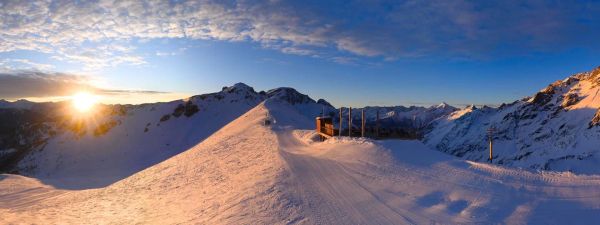
Europe Snow Forecast: Serre Chevalier Leads With 82 cm Over the Next 10 Days
Europe has had a quiet start to November, but our 10-day forecast has Serre Chevalier on 82 cm and Les 2 Alpes on 71 cm. Two pushes are lined up: a western Alps top-up from Friday, then a bigger, wider system on Thursday, November 12 and Friday, November 13 that reaches Italy and Switzerland. Full leaderboard inside.
4 Nov 2026
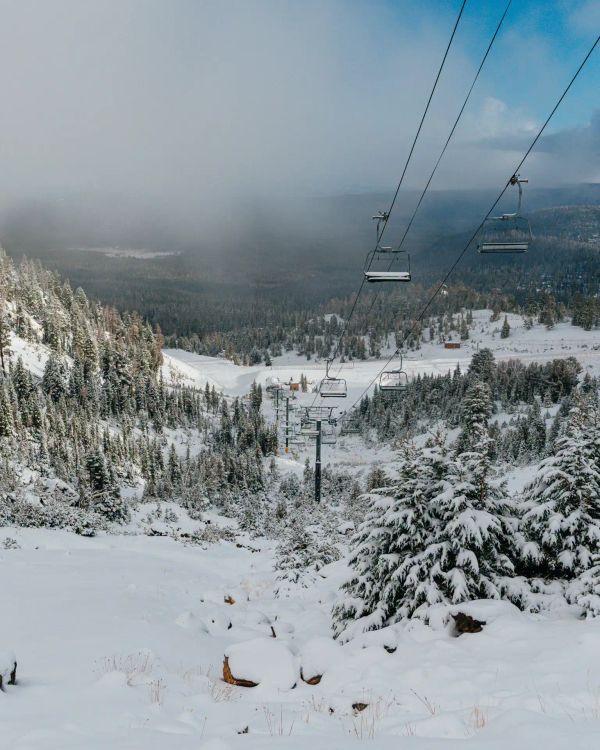
Mammoth Mountain Opens Early on November 5 With Up to 33 Inches of Snow in the Forecast
Mammoth just moved opening day forward to Thursday, November 5, eight days ahead of schedule. A snowy weekend and cold snowmaking nights did the work, and our forecast shows up to 33 inches more landing on November 13 and 14. Here is what opens, what the weather looks like and where Mammoth sits among the early Ikon Pass openers.
3 Nov 2026

Utah Snow Storm Builds Early-Season Base Ahead of November Openings
Rain down low, snow up high, and a snow report full of zeros that mostly means ‘not updated yet’. Utah’s first proper storm of 2026-27 is rolling through the Wasatch, Snowbird’s snow stake is closing in on 10 inches, and Brian Head is five days from opening day. Early November snow rarely looks like much, but it is the layer every November opening date is built on. Here is where it stands.
1 Nov 2026
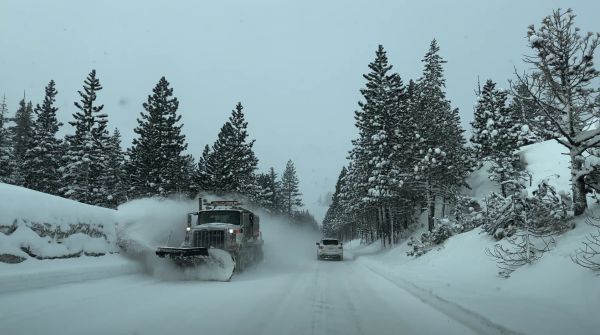
Sierra Nevada Halloween Storm: Dodge Ridge Forecast to Lead With 19 Inches
Halloween weekend brings a wet, windy storm to the Sierra Nevada. Our five-day forecast has Dodge Ridge on top with 19 in, followed by Bear Valley at 15 in and Mammoth Mountain at 12 in, with most of it landing on Saturday. A winter weather advisory covers the Tahoe Basin and Mono County until 7 AM Sunday, gusts could reach 47 mph and the freezing level swings between 4,900 and 8,700 ft, so some bases will see rain. A dry spell follows from Monday.
31 Oct 2026
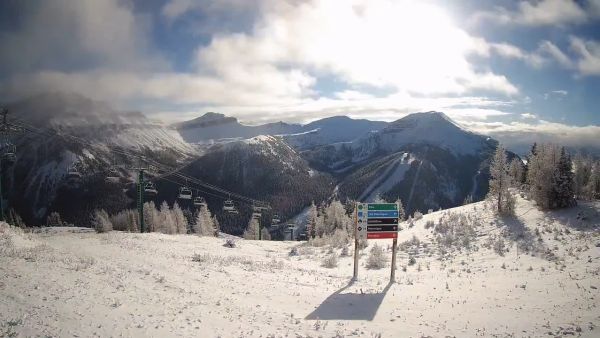
Lake Louise Opens Early on 1 November With Juniper Express and Easy Street
The Rockies get their first lift-served turns of the season early. Lake Louise opens Sunday 1 November, five days ahead of schedule, after a cold October and round-the-clock work from the snowmaking and mountain crews. Terrain is limited to Juniper Express Chair and Easy Street, with two small terrain parks and the beginner area for lessons. Opening-day tickets are over 60% off, with prices rising as more lifts open. First chair is at 9:30 am under the resort’s new lift hours.
31 Oct 2026
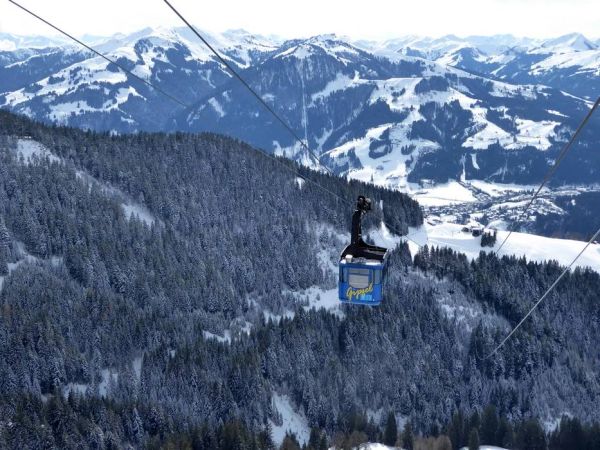
Kitzbüheler Horn Summit Cable Car to Be Replaced After 70 Years
A Tyrolean summit lift that has been carrying guests up the Kitzbüheler Horn since 1955 is on borrowed time. Its licence runs to 2045, but a new inspection rule has made refurbishment uneconomic, so Bergbahn AG Kitzbühel will spend around €15 million on a replacement on the same line. It should hold roughly 100 people and keep running in winds that would stop today’s lift. Building starts in autumn 2027, which makes this winter and next summer the last chances to ride the old one.
30 Oct 2026
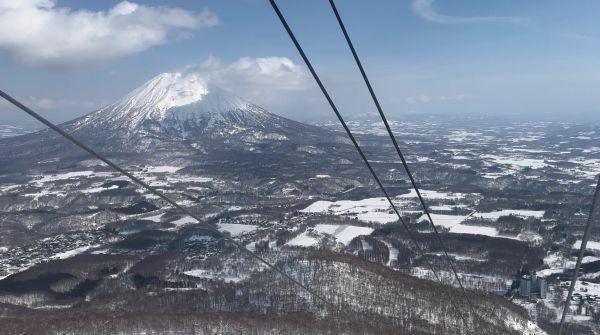
What’s New in Japan Skiing This Winter: Niseko Gondola, a Private Resort and a Bigger Ikon Pass
Niseko Village is replacing a lift from the early 1980s with an eight-person gondola, Tsugaike gets a six-person chairlift, Madarao joins the Ikon Pass and Togari opens Asia’s first private ski resort. Here’s what is actually new in Japan skiing for 2026/27, plus what is still a year or two away.
30 Oct 2026
Lauchernalp Lift Tickets
Lauchernalp lift tickets & passes
Opening day for the winter 2026 - 2027 season is scheduled for Dec 12, 2026 (subject to change). Lift tickets at Lauchernalp typically go on sale well before the start of the ski season.
Day passes start from CHF 32, with peak rates up to CHF 62.
7 pass options
Single-day passes
Adult 16–64
Adult Full Day
CHF 54up to CHF 62 peak
Explore Switzerland's hidden gem with Lauchernalp lift tickets providing access to UNESCO World Heritage Lötschental valley. Dynamic pricing on Lauchernalp lift passes rewards early booking in this spectacular 4000m peak setting.
Buy passYouth 13–15
Youth Full Day
CHF 43up to CHF 50 peak
Young skiers discover pristine Valais terrain with discounted Lauchernalp lift passes featuring varied slopes and freeride opportunities. These Lauchernalp lift tickets unlock authentic Swiss mountain culture in a dramatic alpine cirque.
Buy passChild 6–12
Child Full Day
CHF 32up to CHF 37 peak
Families love Lauchernalp lift tickets that provide children safe access to gentle learning slopes in spectacular mountain surroundings. Purchase Lauchernalp lift passes for kids to experience authentic Valais hospitality and culture.
Buy passChild 0–5
Child (Under 6)
Free
Children under 6 enjoy complimentary access to Lötschental's winter wonderland - no Lauchernalp lift tickets needed! While kids ski free, families can purchase adult Lauchernalp lift passes for this UNESCO valley experience.
Buy passSenior 65–99
Senior Full Day
CHF 43up to CHF 50 peak
Mature skiers appreciate the tranquil atmosphere with discounted Lauchernalp lift passes providing access to pristine slopes away from crowded resorts. These senior Lauchernalp lift tickets showcase Switzerland's UNESCO World Heritage mountain beauty.
Buy passHalf-day passes
Adult 16–64
5-Hour Pass
CHF 45up to CHF 52 peak
Flexible timing suits many visitors with 5-hour Lauchernalp lift tickets that start anytime during operating hours. These shorter Lauchernalp lift passes feature dynamic pricing based on conditions and demand in the scenic valley.
Buy passSeason passes
Adult 16–64
Magic Pass
CHF 459
Ultimate Swiss Alps exploration starts with Magic Pass membership including Lauchernalp lift passes plus 80+ winter and 37 summer destinations. This comprehensive Lauchernalp lift ticket option provides exceptional value for mountain enthusiasts.
Buy passLift tickets FAQ
How much does a Lauchernalp day pass cost?
Lauchernalp day passes range from CHF 32 to CHF 62 depending on the date and advance booking.
Can I buy Lauchernalp lift tickets online?
Yes, you can purchase tickets directly from the resort website or at the resort ticket office.
Are there discounts for multi-day passes?
Yes, multi-day packages typically offer significant savings compared to individual day passes. The per-day cost decreases with longer stays.
What is included with a Lauchernalp lift ticket?
Full access to all lifts and trails at Lauchernalp, including mountain safety and patrol services.
What is the difference between Lauchernalp lift tickets and ski passes?
"Lift tickets" and "ski passes" refer to the same thing at Lauchernalp - your access to the mountain's lifts and trails for your chosen duration.
When should I buy Lauchernalp lift tickets for the best price?
Purchase tickets at least 7 days in advance for the best rates, and consider weekday visits for further savings over weekend rates.
Does Lauchernalp offer group discounts on lift tickets?
Group discounts are typically available for parties of 10 or more. Contact Lauchernalp directly for group booking information and rates.
How can I check current conditions before buying tickets?
Before purchasing, check the live snow report and mountain webcams to see current weather, snow conditions, and lift operations at Lauchernalp.
More Lauchernalp intelligence: snow report, webcams, resort overview.