TL;DR
Cervino S.p.A. unveils 'Cervino - The One' project, a €200 million upgrade set to transform the Italian-Swiss connection at Matterhorn Ski Paradise. The plan promises faster access and increased capacity, but questions remain about implementation and impact.
Cervinia Targets Bottleneck with Massive Lift Investment
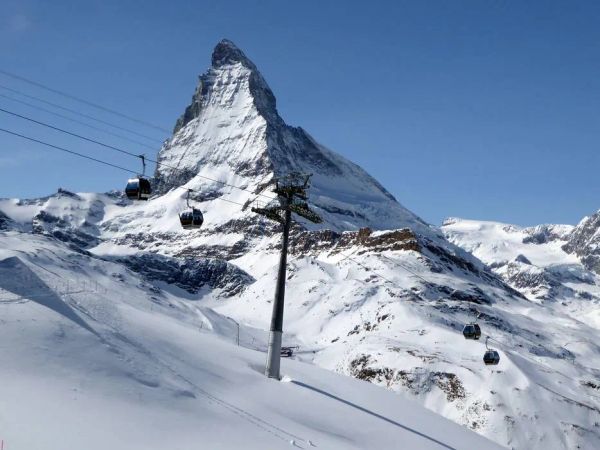
Cervino S.p.A., the Italian operator of Matterhorn Ski Paradise, has announced a €200 million lift upgrade project aimed at addressing the notorious bottleneck between Cervinia and Zermatt. Dubbed 'Cervino - The One', the plan promises to dramatically improve the Italy-Switzerland connection, nearly tripling uphill capacity and reducing travel times. While the investment signals a major commitment to enhancing the resort's infrastructure, the lack of a firm timeline and potential challenges in high-alpine construction leave room for scepticism about the project's ultimate delivery.
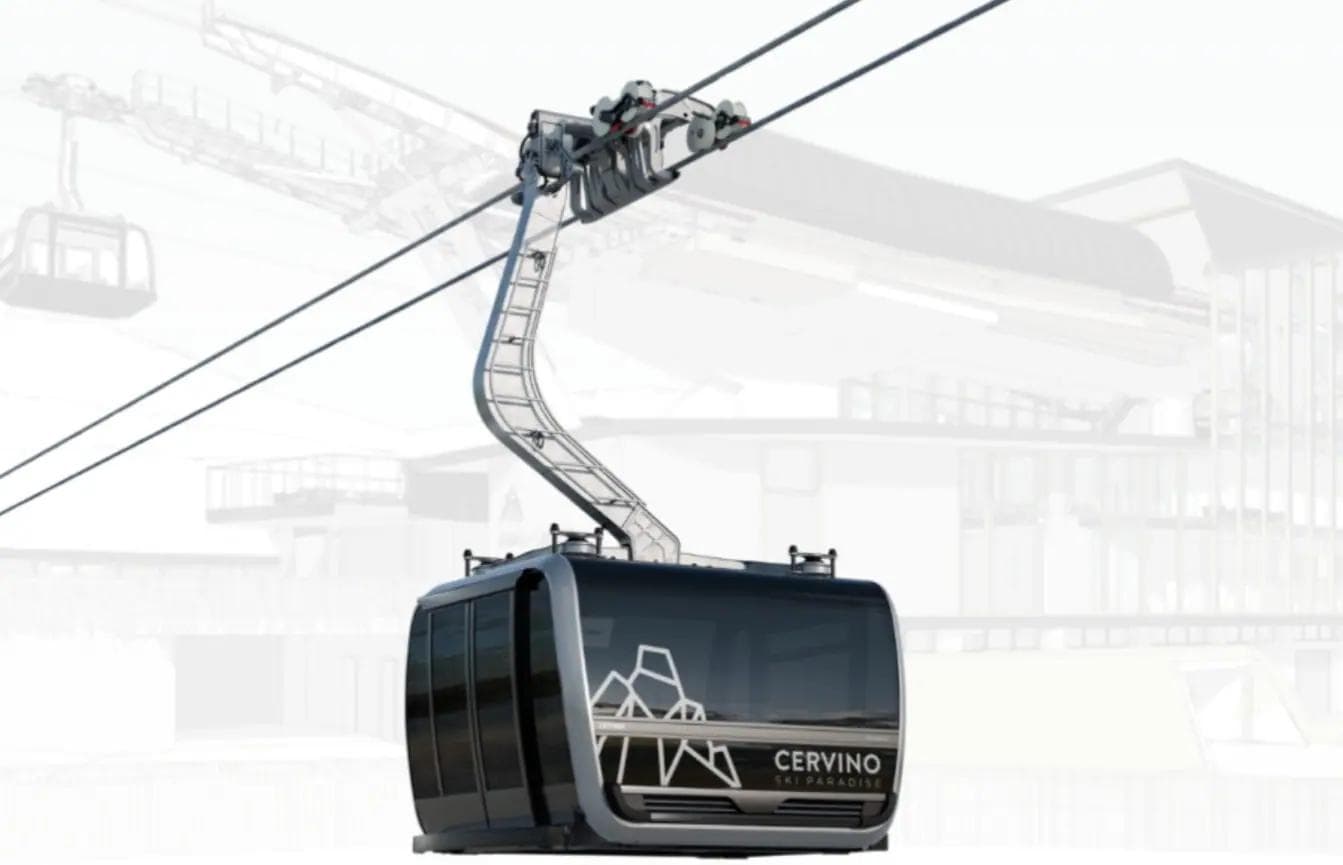
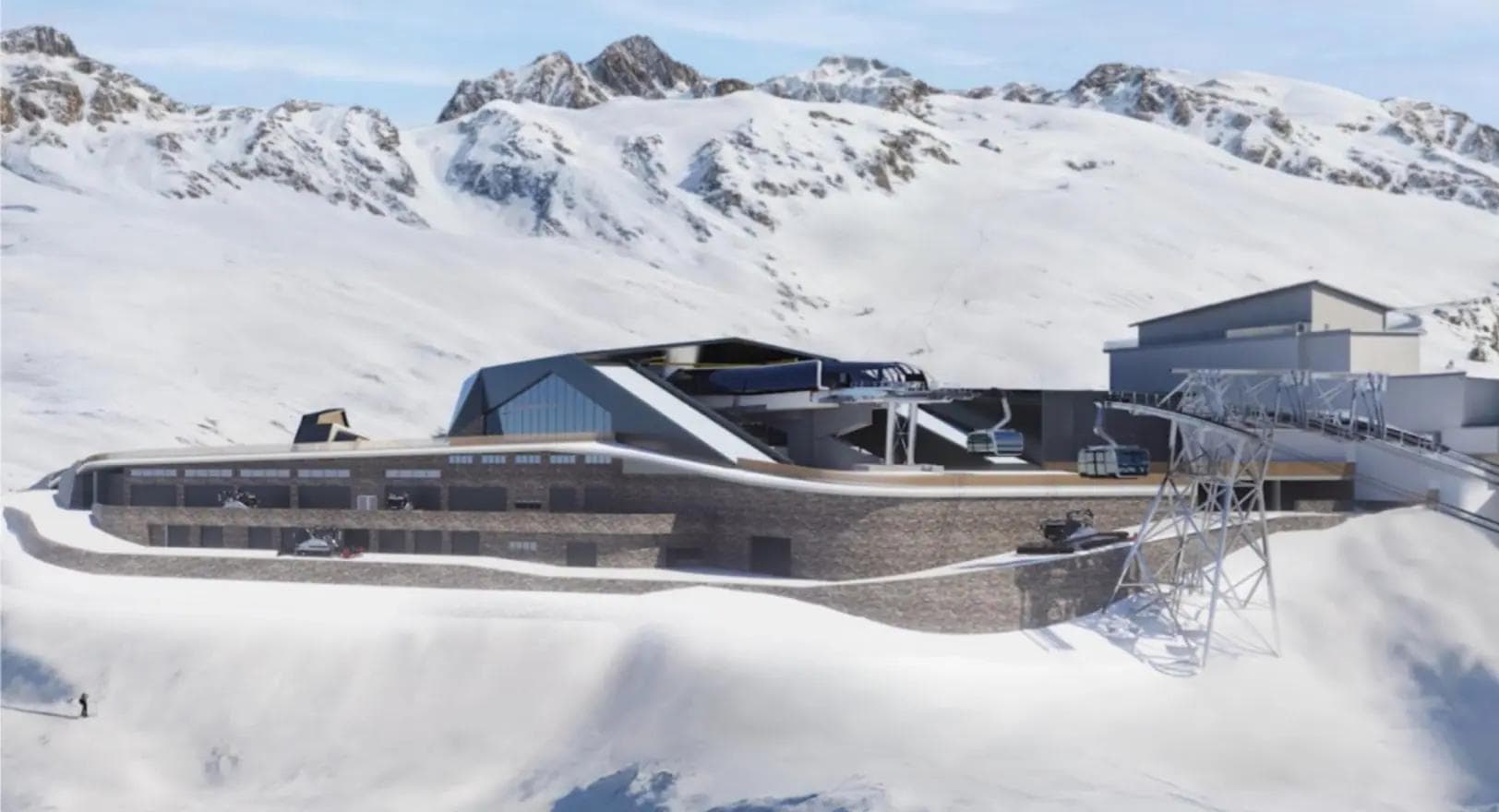
The centrepiece of the upgrade is the replacement of the current three-lift chain from Breuil-Cervinia to Plateau Rosà with two Leitner 3S tricable gondola systems. This change aims to cut the journey time from 2,050m to 3,480m down to just 15-20 minutes, a significant improvement over the current multi-stage trip. The new system boasts an impressive hourly capacity of 3,000 people, compared to the current 1,250.
While the increased capacity and speed are certainly noteworthy, it's worth questioning whether this massive investment will truly resolve all connectivity issues, particularly given the area's notoriously fickle weather. The project also includes rebuilding the three stations with modern amenities, though the practicality and necessity of extensive retail and dining options at high-altitude transfer points is debatable.Cervino S.p.A. has partnered with a local consortium led by Leitner for design and construction, leveraging their experience with high-alpine lift projects. However, the lack of a detailed construction timeline is concerning, especially given the complex nature of building at such altitudes and the need to minimise disruption during peak seasons.