
China Peak
1,400 acres, 52 runs, 7.6m annual snowfall. Sierra National Forest location 105km from Fresno. Cali Pass included.
Season 2026 - 2027
Opens
29 Nov 2026
Closes
22 Mar 2027
Days open
113
Annual snow
25ft
The Overview
Michael Fulton
Melbourne-based skier and snowboarder with 50+ resorts across 5 continents. Specialises in Australian resorts and international resort comparisons.
China Peak operates across 1,400 acres of terrain in the Sierra National Forest with 52 marked runs spanning 511 metres of vertical drop from a 2,143-metre base to an 2,654-metre summit. The resort receives an average 7.6 metres of annual snowfall and features one of California's largest snowmaking systems covering 40% of its terrain. The mountain divides into five distinct terrain pods served by dedicated lifts: Canyon and Park in the lower sections, and Lakeview, Buckhorn, and Peak accessing the upper mountain. Terrain distribution favours cruisers, with 57% rated intermediate, 16% beginner, 19% advanced and 8% expert, whilst the Canyon zone's Face area includes Juniper run, claimed as California's steepest groomed trail.
The resort opened in 1958 on the south shore of Huntington Lake at 2,143 metres elevation, originally developed to serve Central Valley skiers without the drive to Lake Tahoe. Five terrain pods allow different ability levels to spread out across the mountain, reducing overlap between beginners and experts. The Summit triple chair spans the full vertical in a 15-minute ride, providing access to all pods but proving slow for laps, whilst the Canyon fixed-grip quad offers faster mid-mountain access. The Buckhorn and Peak chairs serve upper intermediate and advanced terrain, with Peak often maintaining a groomed speed run down its fall line.
China Peak attracts modest crowds compared to Tahoe destinations, functioning primarily as a day-trip mountain for Fresno-area residents with minimal après options. The base area sprawls wide, requiring traverses across beginner terrain to move between Canyon and Summit lift bases. Three terrain parks include the Burton Progression Park in Ullmann's Alley for novices, plus Canyon, Ridge and Tollhouse parks offering varied freestyle features. The mid-mountain Buckhorn Bar & Grill provides sit-down dining, whilst base facilities include the Day Lodge and the slope-side Inn at China Peak for overnight stays.
China Peak joined the Cali Pass for 2025-26, granting unlimited access alongside Dodge Ridge, Bear Valley and Mountain High, with three free days at 14 Powder Alliance resorts worldwide including Sierra-at-Tahoe. The resort also participates in the Indy Pass with two-day access. The 2025-26 season ran from 29 November 2025 to 22 March 2026, typical for its elevation band. Daily lift tickets peak at USD 89, with season passes from USD 399, positioning China Peak as an affordable alternative to major California destinations for intermediate skiers and families seeking uncrowded slopes.
1,677ft
Vertical
52
Runs
1,400 acres
Skiable
25ft
Annual snow
The Terrain
52 runs across 1,400 acres skiable
China Peak covers about 1,400 acres (567 hectares) near Lakeshore in the southern Sierra Nevada, with a 1,680 ft (511 m) vertical between a 7,030 ft (2,143 m) base and an 8,710 ft (2,654 m) summit. Intermediate runs make up 57% of its 52 trails, alongside 19% advanced, 16% beginner and 8% expert, so cruising is the main business. Two quads and four triples serve the mountain, alongside a handle tow and two moving carpets, so the lift system is simple and easy to read.
The mountain is organised into five terrain pods, each served by a dedicated lift: Canyon and Park on the lower mountain, and Lakeview, Buckhorn and Peak higher up, so abilities spread out naturally. Juniper, in the Canyon zone, is claimed as California's steepest groomed trail, and the upper pods hold the best advanced skiing. The Summit chair rides the entire vertical and indirectly serves all five pods. Academy is the longest run at 2.25 miles, while Ullmann's Alley hosts the Burton Progression Park for novices, with Canyon, Ridge and Tollhouse parks offering varied freestyle features. China Peak suits families, intermediates and skiers who value space and relaxed cruising.
Terrain split
52
runs
52 runs across 4 grades
Beginner8 runs · 16%
Intermediate30 runs · 57%
Advanced10 runs · 19%
Expert4 runs · 8%
Time it right
When to visit China Peak
The 2025-26 season opened 29 November 2025 and closed 22 March 2026, spanning approximately 16 weeks typical for western Sierra elevations between 2,143 and 2,654 metres. Opening dates depend heavily on early-season storms and snowmaking capacity, with mid-December through Christmas representing the resort's most critical revenue period. Drought years jeopardise profitability when snowless holiday weeks eliminate the busiest days. Natural snowfall remains variable year to year despite the 7.6-metre average, making the expanded snowmaking system essential for consistent coverage.
China Peak receives around 7.6 metres of annual snowfall, slightly less than northern Sierra resorts but comparable to other central Sierra destinations at similar elevations. The resort logged 5.5 metres during the 2025-26 season as of late winter. Snowfall peaks typically arrive January through early March, with the resort recording 300 inches in some years. California sun exposure triggers frequent freeze-thaw cycles, degrading snow quality days after storms, though extensive grooming operations maintain consistent surfaces on main runs. The 40% snowmaking coverage across 480 acres helps bridge gaps between natural storms.
February through March offers the best combination of accumulated base depth and longer daylight, with occasional bluebird days following storms. January remains coldest but delivers prime powder windows when storms align. Weekdays and non-holiday periods see minimal crowds, whilst weekends and school holidays draw Fresno-area families. The season typically ends by late March as spring temperatures accelerate snowmelt at the 2,143-metre base elevation. Early December and late March represent shoulder periods with variable coverage and limited terrain.
The resort operates Friday through Monday during most of the season, with some Thursday openings, closing Tuesday through Thursday. Night skiing runs Sunday evenings until 9pm. The events calendar includes race programmes through the season. Summer operations feature mountain biking, disc golf and scenic chairlift rides, transforming the property into a four-season destination. No major festivals or competitions anchor the winter calendar, keeping the focus on accessible family skiing without the event-driven crowds of destination resorts.
Season 2026 - 2027
29 Nov 2026
Opens
22 Mar 2027
Closes
113
Days open
25 ft
Annual snow
Getting there
Getting to China Peak, and where to stay
China Peak sits at 2,143 metres base elevation in the Sierra National Forest on the south shore of Huntington Lake in Fresno County, California. The resort occupies the western slope of the central Sierra Nevada range, approximately 110 kilometres northeast of Fresno in an area bounded by granite peaks and alpine lakes. Huntington Lake itself sits at 2,100 metres elevation, with the small community of Lakeshore 6 kilometres from the resort base. Shaver Lake, a larger recreational lake at 1,680 metres elevation, lies 30 kilometres downhill via winding mountain roads, offering lodging, dining and services unavailable at Huntington Lake.
Fresno, the nearest major city at 110,000 population, provides urban amenities 105 kilometres southwest in California's Central Valley. The town of Prather, 65 kilometres from the resort, offers the last reliable fuel and services before the mountain ascent. Lakeshore functions as a minimal base village with the resort's Inn, marinas and a seasonal general store. The town of Shaver Lake, 30 kilometres away with approximately 600 residents, features hotels, vacation rentals, restaurants including Seasons Bistro and Shaver Lake Pizza, plus grocery stores. The region sits roughly midway between Yosemite National Park to the north and Kings Canyon-Sequoia National Parks to the south, both within 90-minute drives.
Highway 168 provides the sole access route, climbing east from Fresno through Prather and Shaver Lake before terminating at Huntington Lake. The final hour from Shaver Lake to China Peak involves narrow, twisty mountain sections with steep grades requiring chains or four-wheel-drive during winter storms. Total drive time from Fresno typically runs 90 minutes to two hours depending on road conditions, with longer delays during heavy snowfall. San Jose sits four hours northwest, San Francisco four and a half hours, and Bakersfield three hours south. The resort's relative remoteness compared to Tahoe resorts keeps crowds lighter but adds drive time from major population centres.
Fresno Yosemite International Airport (FAT) serves as the primary air gateway 105 kilometres southwest, offering flights on major carriers with 90-minute drive times to the resort. Rental cars provide the most practical airport transfer option, as public transport and shuttle services remain limited. Seasonal China Peak Express buses run select dates from Fresno, San Luis Obispo and Paso Robles, subject to schedule changes. San Francisco International Airport sits 360 kilometres northwest, and San Jose International Airport 320 kilometres away, both involving four-plus-hour drives. No rail service reaches the mountain corridor, making personal vehicles the dominant access method for this car-dependent destination.
Where to stay
Search all stays →Hotels and lodges near China Peak, powered by Stay22.
Latest News
From the SnowStash desk
Utah Ski Resorts 2026-27: What’s New at Alta, Deer Valley, Powder Mountain and More
Utah is still building flat out. For 2026-27, Powder Mountain opens a steep new Skytrac chair into more than 1,000 acres of advanced terrain, Deer Valley adds 200 acres on Hail Peak, Sundance gets a new quad and Park City adds a gondola from its new parking structure. Snowmaking is expanding almost everywhere, Eagle Point stays closed after the Cottonwood Fire, and the 2034 Games are setting the pace. Here’s what’s new, resort by resort.
13 Oct 2026

Vermont Ski Resort Opening Dates 2026-27: Few Dates Set, Killington Waits on the Cold
Vermont's season is slow to take shape. Stratton is tentatively targeting 18 November and Sugarbush 21 November, while Pico has Friday 11 December on the calendar. Killington never sets a date and opens when the snowmaking allows, and Vail Resorts has yet to name days for Stowe, Okemo and Mount Snow. The forecasts disagree about snow, and the main El Niño worry for the Green Mountains is warmth.
9 Oct 2026
Crans-Montana 2027 World Championships President Resigns Ahead of Fraud Hearing
Less than four months out from the Crans-Montana 2027 World Championships, the man running the organising committee has stepped down. Claude-Alain Schmidhalter resigned as Swiss-Ski vice president and OC president after being indicted over a business dispute unrelated to skiing. He denies the allegations and faces court on October 27. Interim leaders are in place for the February 1-14 event.
9 Oct 2026
Kelly Canyon, Idaho, Adds Snowmaking, a Bigger Terrain Park and More Parking for 2026-27
Kelly Canyon had a rough 2025-26, and the Idaho resort has spent the summer making sure it doesn’t repeat. Snowmaking now reaches the top of Goldrush, the terrain park is doubling in size with a stereo system, lights and a snack shack, and the car park is getting bigger. Grooming is stepping up too. Target opening is December 4, conditions permitting.
9 Oct 2026
Valle Nevado Extends Season to November 8 After 108 cm in 48 Hours
Winter was meant to be winding down in Chile. Then Valle Nevado took 108 cm in 48 hours in early October, and the resort has pushed its closing date out to November 8 - its latest in 38 years of operation. That makes 143 days of skiing since opening day on June 19, with 690 cm banked for the season. Only part of the mountain is running while the storm settles, so check the mountain report before you plan a trip.
9 Oct 2026
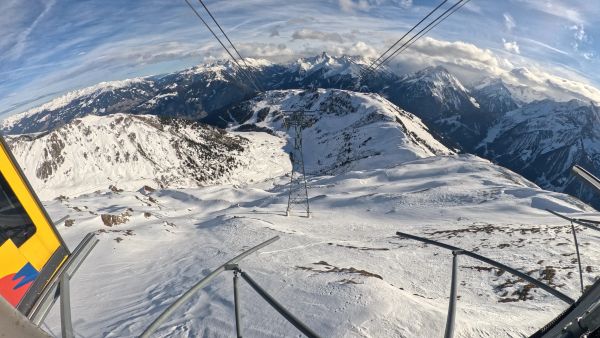
Alps Snow Forecast: Cold Front Brings Thursday Snow to the High Alps
The Alps look a lot more like winter today, for a day or so. A cold front is moving west to east, dropping up to 35 cm on high glaciers and peaks, with snow levels falling to around 1,500-1,800 m at times. Don’t plan a trip around it: mid-elevation snow will be thin and wet, every area is closed bar a limited Sölden glacier opening tomorrow, and warmer weather returns by Monday.
8 Oct 2026
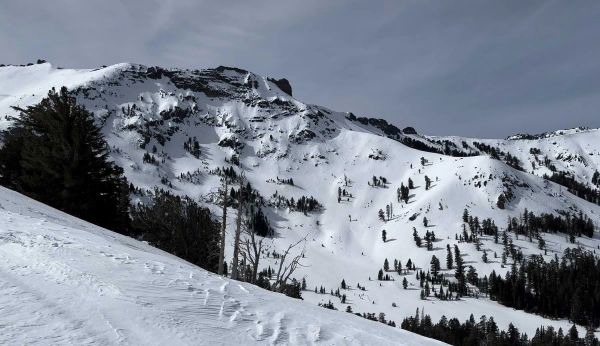
California Ski Resort Opening Dates 2026-27: Mammoth Leads, Tahoe Follows
Mammoth Mountain is first up in California, targeting Friday 13 November after a dusting of September snow. Heavenly and Northstar follow on 20 November, Palisades Tahoe on Wednesday 25 November and Sugar Bowl on 27 November, with Kirkwood on 4 December and June Mountain on 19 December. Plenty of smaller areas have no date yet. A super El Niño favours the Sierra, but a warmer storm track is the catch.
7 Oct 2026
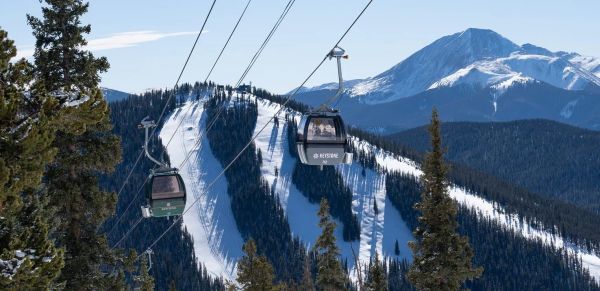
Colorado Ski Resort Opening Dates 2026-27: A-Basin and Keystone Race to Be First
Arapahoe Basin, Keystone and Winter Park are all chasing an October start, though none has a firm date yet. The first dated openers are Breckenridge and Copper on Friday 6 November, then Vail on 13 November, with most of the rest bunched around US Thanksgiving. Hesperus did not open at all last season. A super El Niño offers hope but no guarantee, and forecasters say the southern mountains have the better odds.
5 Oct 2026
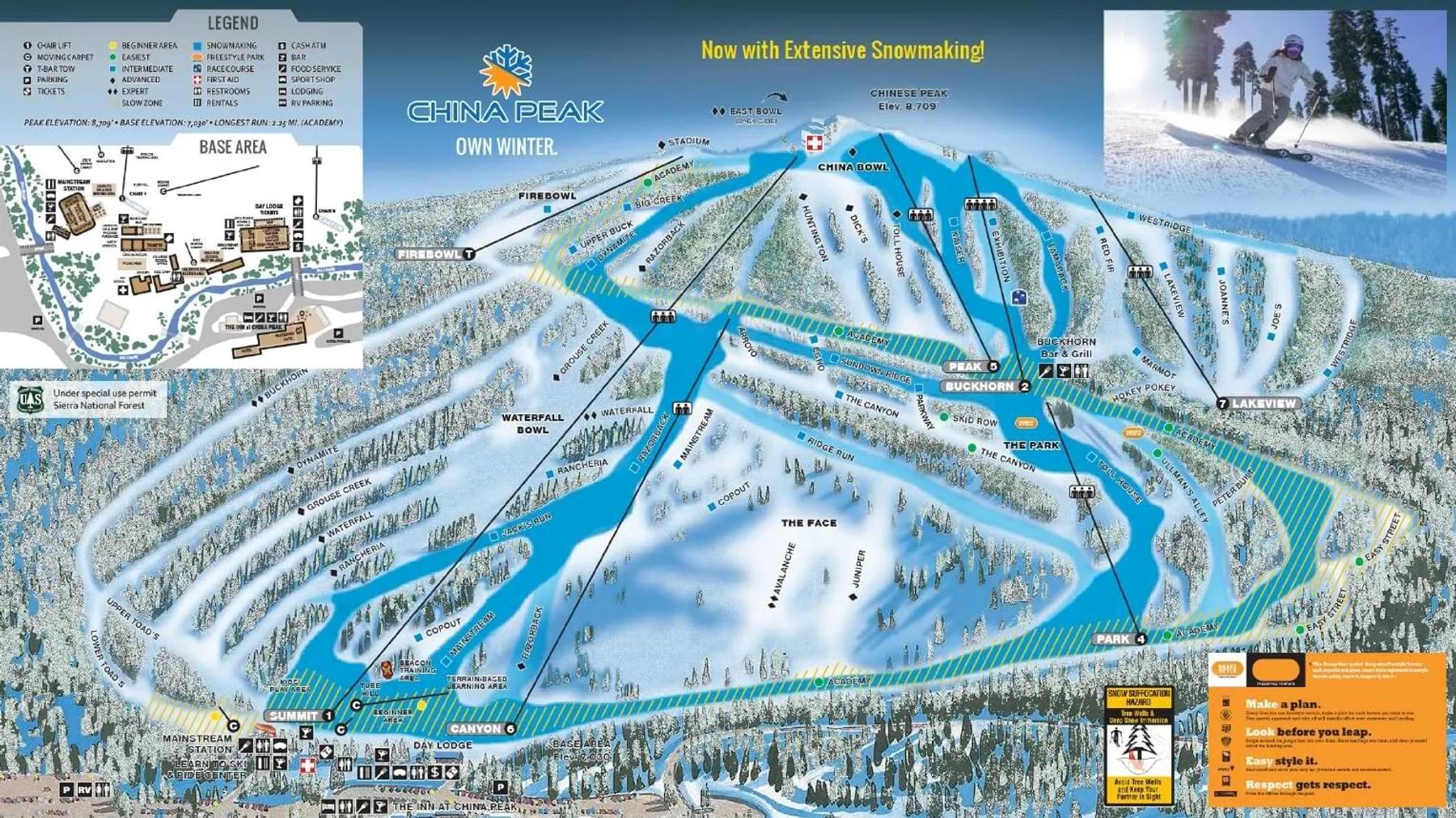
China Peak Trail Map
Downloadable China Peak trail map
Terrain split
52
runs
Beginner16%
Intermediate57%
Advanced19%
Expert8%
1,400 acres skiable567 hectares
Resort Stats
Elevation
Base7,031ft
Summit8,707ft
Annual snowfall
25ft
Season
2026 - 2027
29 Nov 2026 - 22 Mar 2027
Trail coverage
52 runs
1,400 acres (567 ha)
About China Peak's trail map
Explore China Peak's full trail map with 52 runs across the mountain, colour-coded by difficulty and shown alongside the terrain split. Use it to plan a day that matches your ability, find lift-served pockets of your favourite grade, and see how the resort links together. Download the piste map (PDF) ↗
More China Peak intelligence: snow report, lift system, webcams, resort overview.