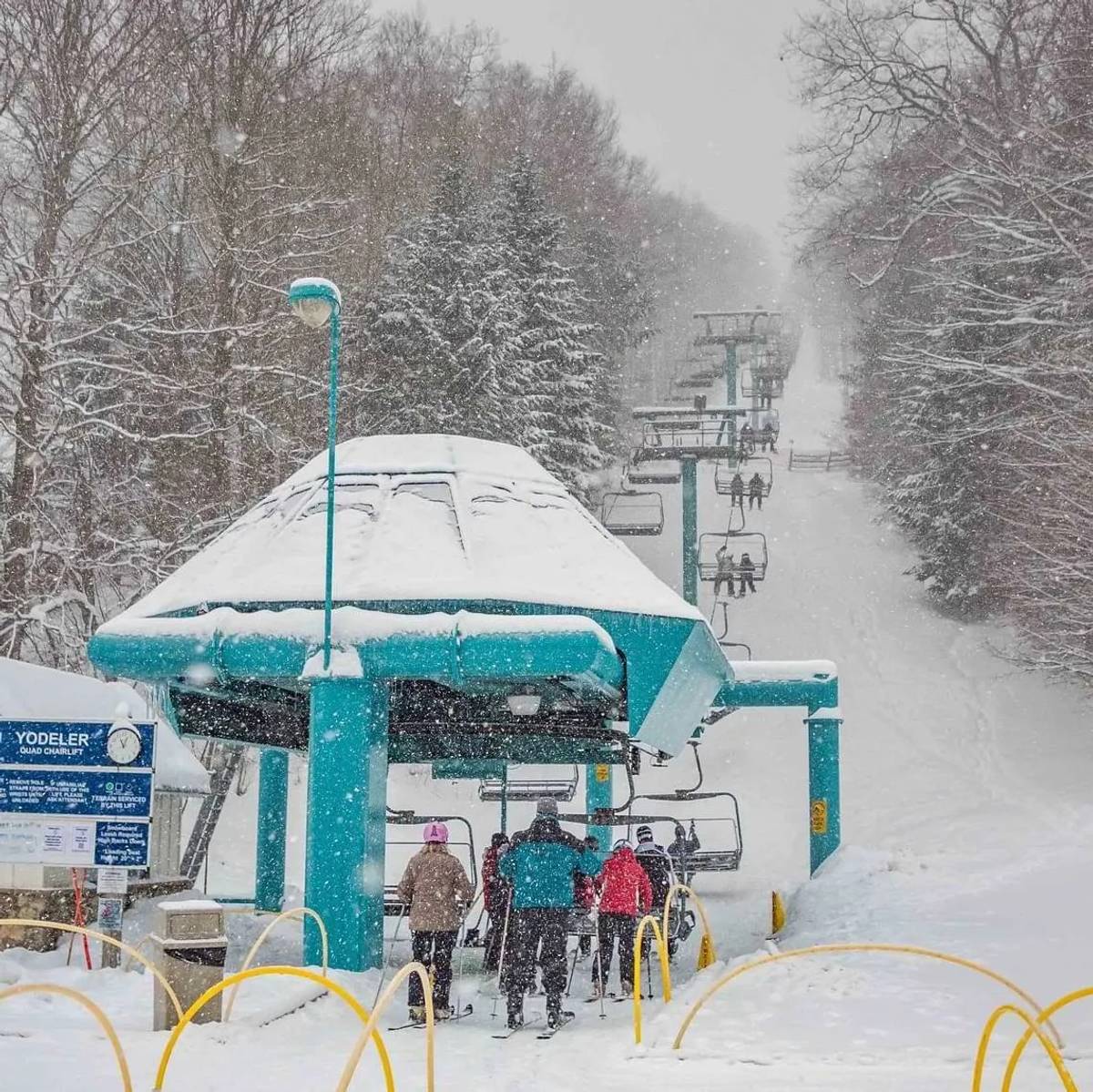
Holiday Valley
Ski 290 acres across five mountain faces in Ellicottville, NY. 60 trails, 39 lit for night skiing and 180 inches of lake-effect snow annually.

Season 2026 - 2027
Opens
27 Nov 2026
Closes
4 Apr 2027
Days open
128
Annual snow
128in
The Overview
Michael Fulton
Melbourne-based skier and snowboarder with 50+ resorts across 5 continents. Specialises in Australian resorts and international resort comparisons.
Holiday Valley opened on 7 January 1958 with four trails and a single T-bar, funded by shares sold for $100 each from a card table in an Ellicottville car park. The Win-Sum Ski Corporation raised enough to purchase 30 acres for $1,050, and from that modest beginning the resort has grown into the largest ski area in Western New York — now covering 290 acres across five mountain faces, with 60 runs served by 13 lifts.
The terrain profile is notably beginner-friendly at 37% green, 25% intermediate, 36% advanced and 2% expert, but the wide footprint across two valleys creates a ski area that skis considerably larger than its vertical of 750 feet suggests, with the five distinct terrain pods — each with its own character — giving the mountain genuine variety from the tight deciduous woods of the Snowpine area to the manicured pine-lined runs of the Tannenbaum zone. Ski Magazine has ranked Holiday Valley in its top ten Eastern resorts consistently, and two Holiday Valley products — freestyle skiers Jill Vogtli and Travis Mayer — competed in moguls at the 2002 Salt Lake City Winter Olympics.
The resort's night skiing operation is one of the most extensive in the Eastern United States, with 39 of the 60 trails lit for evening sessions — a figure that reflects Holiday Valley's orientation toward the regional day-trip and after-work market between Buffalo, Toronto, Pittsburgh and Cleveland.
The Sky High Mountain Coaster near the Tannenbaum Lodge runs a 2,490-foot track through the woods and operates year-round, adding a non-ski activity that extends the resort's appeal across seasons. The Lounsbury Adaptive Program provides tailored ski and snowboard instruction for visitors with physical and cognitive disabilities, and with approximately 500,000 annual visitors, Holiday Valley is Cattaraugus County's principal tourist attraction.
820ft
Vertical
60
Runs
290 acres
Skiable
128in
Annual snow
The Terrain
60 runs across 290 acres skiable
Holiday Valley is the biggest ski area in western New York, covering 290 acres (117 hectares) over five mountain faces at Ellicottville. A base at 1,500 ft (457 m) rises to 2,320 ft (707 m), a vertical of about 820 ft (250 m). Terrain across the 60 runs is split 37% beginner, 25% intermediate, 36% advanced and 2% expert. Eleven quad chairs and two surface lifts do the work, which is an unusually quad-heavy lineup, so lines stay moving and you can cover a lot of ground in a day.
Each of the five pods has its own personality. Snowpine has the tight woods and The Wall, a double black diamond, while Tannenbaum and Mistletoe run through pines near the main lodge. The original 1957 runs, Yodeler, Champagne, Holiday Run and Edelweiss, are still on the map. Holiday Valley suits families, groups and intermediates most of all, and advanced skiers get a healthy share of steeper trails to work through. Day visitors from Buffalo, Toronto, Pittsburgh and Cleveland make it a busy resort, and many of the trails are open for night skiing.
Terrain split
60
runs
60 runs across 4 grades
Beginner22 runs · 37%
Intermediate15 runs · 25%
Advanced22 runs · 36%
Expert1 run · 2%
Time it right
When to visit Holiday Valley
Holiday Valley operates from early December through to mid-April, with the 2025/26 season running 6 December to 13 April. The resort averages approximately 180 inches of annual snowfall — roughly double the annual totals recorded at competing resorts in Pennsylvania and the Catskills — driven by its position approximately 30 miles from Lake Erie, which delivers lake-effect snow systems reliably from late autumn through early spring.
Lake-effect events at this latitude produce high-frequency, moderate-intensity snowfall that accumulates steadily across the season and supplements the extensive snowmaking system to maintain a consistent base across all 290 acres. The current 2025/26 season has logged a base depth of around 24 inches with a season total approaching 88 inches as of early March, reflecting the reliable mid-winter accumulation the Western New York snowbelt regularly produces.
The combination of 180 inches of natural snowfall and 95% snowmaking coverage gives Holiday Valley one of the more dependable operating records of any Eastern US resort, with conditions remaining skiable well into April most years. The après-ski culture around Holiday Valley is well established, with the village of Ellicottville one mile from the base offering a concentration of restaurants, bars and accommodation that the resort directly benefits from — and which Ski Magazine has ranked among the better après destinations in the Eastern US, not far behind Tremblant and Killington in reader surveys.
College students access the mountain at a reduced rate on Sunday through Thursday evenings, and the Locals Sunday programme provides discounted access for residents within a one-hour radius including Buffalo, Erie and the Southern Ontario communities that make up a significant share of the resort's repeat visitor base.
Season 2026 - 2027
27 Nov 2026
Opens
4 Apr 2027
Closes
128
Days open
128 in
Annual snow
The record
Historical snowfall at Holiday Valley
Daily snow reports at Holiday Valley go back to 2025, 2 winters on the books. Open the record to compare winters, lifts and piste.
9 in
Snowiest day
24 Jan 2026
0 in
This winter · 2026-27
so far
50 in
Typical winter
average of complete seasons
Winter totals
in
Past wintersThis winter
Getting there
Getting to Holiday Valley, and where to stay
Holiday Valley sits in Ellicottville in Cattaraugus County in the Southern Tier of New York State, on the edge of the Allegheny Plateau at the intersection of US Route 219 and the Western New York ski country belt. The resort is approximately 60 miles south of Buffalo, 90 miles from Rochester and around three hours from Toronto, placing it within a catchment area of some 10 million people in the Buffalo–Toronto–Pittsburgh–Cleveland corridor.
Buffalo Niagara International Airport is the primary air gateway, around 65 miles north via Route 219, with a drive of under 90 minutes from the terminal to the resort base lodge under normal conditions. The Southern Ontario market is substantial enough that the resort operates dedicated information for Canadian visitors, and the strengthened cross-border ski traffic in this corridor reflects Holiday Valley's proximity to Hamilton, Toronto and the Greater Golden Horseshoe.
The village of Ellicottville, a one-mile walk or short drive from the ski area, functions as a genuine mountain town rather than a purpose-built resort development — restaurants, bars, rental shops, accommodation and galleries occupy a compact main street that predates the resort and retains its own character independent of it.
Holimont, the other ski area in Ellicottville and one of the largest private ski clubs in North America, occupies the opposite side of town from Holiday Valley and is open to the public on weekdays, giving visitors to the area access to a second distinct mountain without driving. The Inn at Holiday Valley, which opened in 1995 and sits directly at the ski area base, provides ski-in accommodation for guests who prefer immediate slope access, and the resort's year-round calendar — golf, mountain biking, Sky High Adventure Park and the mountain coaster through spring and summer — gives Ellicottville material to draw visitors beyond the ski season.
Where to stay
Search all stays →Stays map loads when you scroll here
Hotels and lodges near Holiday Valley, powered by Stay22.
Latest News
From the SnowStash desk

Val Gardena to Alpe di Siusi Lift Link Back in Play After Court Ruling
The Val Gardena-Alpe di Siusi lift link isn’t dead after all. A South Tyrol court has overturned Santa Cristina’s rejection of the new Monte Pana-Saltria link on procedural grounds, after the council skipped required public information sessions. Opponents want the missing sessions held and a fresh vote, and nothing has been approved. For now it’s still a bus between the two, but a plan first floated in 2017 is back in the conversation.
8 Nov 2026
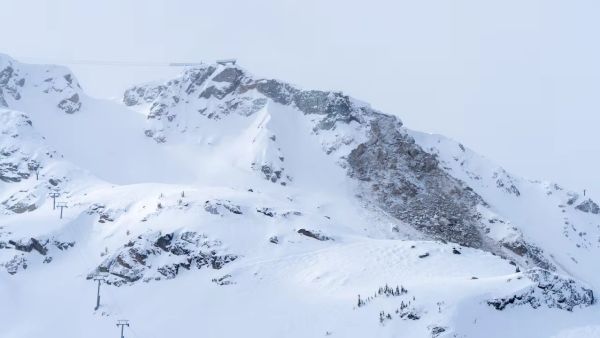
Whistler Blackcomb Rockslide Zone Stays Closed Through 2026-27 Season
A section of Whistler Peak terrain will stay closed all 2026-27 season, Vail Resorts has confirmed, with rockslide mitigation work continuing into summer 2027. Peak Express is still expected to run this winter, but locals are already arguing about what’s actually off limits, whether the Whistler Bowl is gone, and why the news landed after pass sales wound down. Here’s where things stand.
7 Nov 2026
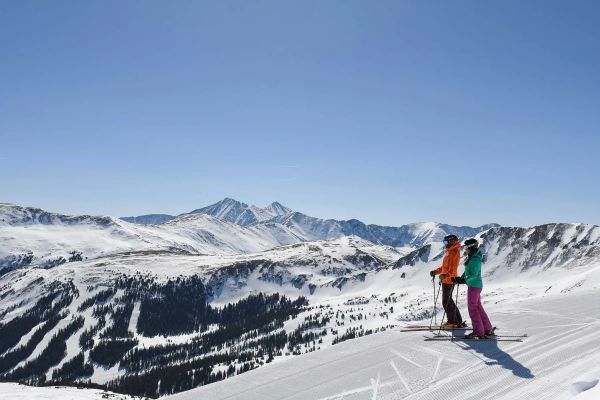
Loveland Ski Area Opens for 2026-27 and Marks 60 Years of Snowmaking
Loveland is open. The Colorado ski area started Chet’s Dream turning on Saturday 7 November to kick off 2026-27, with $60 adult lift tickets to mark 60 years of snowmaking. Expect three runs, nearly 1,000 vertical feet (about 300 metres) of top-to-bottom skiing, live music on the Basin Patio and no beginner terrain yet. Here’s what’s open, what it costs and when Loveland Valley follows.
7 Nov 2026
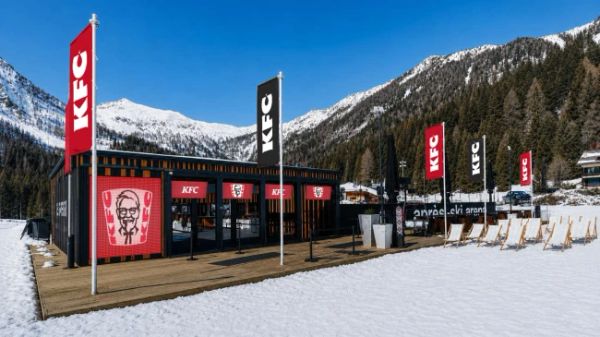
KFC Is Coming to the Slopes at Cortina and Madonna di Campiglio
Fried chicken is heading up the Dolomites. From 5 December KFC will run two restaurants on the slopes - one at 2,123 metres at Cortina, one at 1,700 metres at Madonna di Campiglio - and the polenta-and-canederli crowd has opinions. Local politicians, conservation groups and plenty of Facebook commenters are calling it a step too far, while others just want a cheaper lunch. Here’s what’s on the menu and what’s the fuss.
5 Nov 2026

Mt Rose Aims to Open First in Tahoe on November 6
Mt Rose is going for the first-in-Tahoe title, with the Lakeview Express due to spin at 9 a.m. on Friday, November 6. One main lift, three runs and plenty of snowmaking, sitting on the highest base elevation in the region at 8,260 ft. Here is what is open, what is not (sorry, tubing fans), and how the early North American openings are stacking up.
4 Nov 2026

Europe Snow Forecast: Serre Chevalier Leads With 82 cm Over the Next 10 Days
Europe has had a quiet start to November, but our 10-day forecast has Serre Chevalier on 82 cm and Les 2 Alpes on 71 cm. Two pushes are lined up: a western Alps top-up from Friday, then a bigger, wider system on Thursday, November 12 and Friday, November 13 that reaches Italy and Switzerland. Full leaderboard inside.
4 Nov 2026

Mammoth Mountain Opens Early on November 5 With Up to 33 Inches of Snow in the Forecast
Mammoth just moved opening day forward to Thursday, November 5, eight days ahead of schedule. A snowy weekend and cold snowmaking nights did the work, and our forecast shows up to 33 inches more landing on November 13 and 14. Here is what opens, what the weather looks like and where Mammoth sits among the early Ikon Pass openers.
3 Nov 2026

Utah Snow Storm Builds Early-Season Base Ahead of November Openings
Rain down low, snow up high, and a snow report full of zeros that mostly means ‘not updated yet’. Utah’s first proper storm of 2026-27 is rolling through the Wasatch, Snowbird’s snow stake is closing in on 10 inches, and Brian Head is five days from opening day. Early November snow rarely looks like much, but it is the layer every November opening date is built on. Here is where it stands.
1 Nov 2026
Holiday Valley Lift System
Holiday Valley's 13-lift network comprises 11 quads and two surface lifts, with the high-speed Tannenbaum, Mardi Gras, Morningstar and Yodeler quads providing the primary coverage across the resort's most popular terrain zones. The lift-to-acreage ratio — one quad for approximately every 26 acres — is among the higher in the Eastern US for a resort of this size, contributing to the efficient uphill flow that gives Holiday Valley its reputation for skiing like a larger mountain.
The Cindy and Sunrise chairs serve the central terrain zone including access to the Snowpine area where The Wall, the resort's only double-black trail, is located. The Mardi Gras Express is the main artery from the central base lodge area to the upper mountain, with warming huts at the top of both Mardi Gras and Cindy providing mid-mountain refuges on cold days.
Snowmaking infrastructure covers 95% of the resort's terrain via a fully automated system with 611 snow guns, operated remotely and calibrated in real time to outside temperature and humidity conditions. The automation allows the snowmaking team to activate the system remotely, and the software manages the balance between water volume and spray temperature to maximise coverage efficiency.
This capacity is central to Holiday Valley's ability to open reliably in early December and maintain consistent base conditions through the variable weather patterns that characterise the Western New York shoulder season. Three base lodges at the main area, Tannenbaum and Yodeler serve distinct zones of the mountain, with the Snowpine base accessible only via a short lift ride — a layout that distributes visitor density across the resort's width.
13lifts across 2 types
11
Quad Chairs
2
Surface Lifts
Holiday Valley lift system
Holiday Valley is served by 13 lifts, listed here by type. Check which lifts are turning against the live conditions before you plan your first laps - early lifts and high-speed chairs get you to the best snow fastest.
More Holiday Valley intelligence: trail map, snow report, webcams, resort overview.