
Sörenberg
42km of piste spanning 1110-2298m. Magic Pass included. UNESCO Biosphere setting in Canton Lucerne, Switzerland.
Season 2026 - 2027
Opens
19 Dec 2026
Closes
28 Mar 2027
Days open
99
Annual snow
4m
The Overview
Michael Fulton
Melbourne-based skier and snowboarder with 50+ resorts across 5 continents. Specialises in Australian resorts and international resort comparisons.
Sörenberg spans 1110 to 2298 metres with 1188 metres of vertical drop and 42 kilometres of piste across two distinct sectors. The Dorf sector offers 57 per cent beginner terrain directly from the village, whilst the Rothorn sector delivers advanced skiing on the Brienzer Rothorn, the highest peak in Canton Lucerne at 2350 metres. Annual snowfall averages 4.3 metres with extensive snowmaking coverage ensuring reliable conditions from mid-December through early April. Membership in Magic Pass since 2024 grants access to over 100 ski areas across Switzerland, France and Italy for one annual fee.
The ski area divides between the gentle Schwarzenegg sector rising from the village with 500 metres of vertical for beginners, and the Rothorn sector with 1000 metres of challenging on- and off-piste terrain. The Freestyle-Line Rossweid caters to park riders, whilst the Eisee sector between 1900 and 2298 metres provides technical red and black runs with panoramic views across Lake Brienz and the Bernese Alps. Over half the terrain suits beginners, with 24 per cent intermediate, 19 per cent advanced, creating a balanced progression terrain.
Sörenberg sits within the UNESCO Entlebuch Biosphere Reserve, where protected moorland and karst landscapes frame wide, uncrowded slopes favoured by families from Lucerne and Bern. The village at 1165 metres retains a traditional Swiss atmosphere with small hotels and apartment rentals rather than large-scale development. Berghaus Eisee at 1900 metres offers simple mountain accommodation, whilst rustic mountain restaurants anchor both sectors, and night skiing operates on the floodlit Ochsenweid slope.
Magic Pass validity runs 1 May to 30 April annually, covering both winter skiing and summer lift access at competitive early-bird rates from CHF 419. The resort appeals to families with certified Family Destination Switzerland status, beginners progressing on wide learning slopes, intermediate skiers seeking value and variety, and advanced riders exploring the Rothorn freeride terrain. Day passes cost CHF 61 for adults, with 4-hour options at CHF 51, whilst children under 8 ski free year-round.
1188m
Vertical
0
Runs
42 km
Piste
4m
Annual snow
The Terrain
0 runs across 42 km of piste
Sörenberg climbs 1,188 vertical metres in central Switzerland, from 1,110 metres to 2,298 metres, across 42 kilometres of piste. Beginners get the biggest slice at 57%, ahead of 24% intermediate and 19% advanced, and there is no expert grading. Learners can start straight from the village sector, and the lift list runs to a cable car, a gondola, three quad chairs, a six-seater and eight T-bars, which is plenty for an area this size and keeps most lift lines short, while the compact layout makes it easy to regroup.
The Rothorn sector holds the steeper skiing, on the Brienzer Rothorn, the highest peak in Canton Lucerne at 2,350 metres, while the Eisee area between 1,900 metres and the top offers technical red and black runs with views over Lake Brienz. Park riders have the Rossweid freestyle line, and the Entlebuch moors and limestone give the landscape a distinct feel. Sörenberg suits families from Lucerne and Bern, beginners and intermediates wanting an uncrowded day, with a modest advanced section for those wanting a little more edge.
Terrain split
0
runs
0 runs across 4 grades
Beginner0 runs · 57%
Intermediate0 runs · 24%
Advanced0 runs · 19%
Expert0 runs · 0%
Time it right
When to visit Sörenberg
The 2025-26 season runs 13 December 2025 to 6 April 2026, offering 16 weeks of operations typical for central Swiss resorts at this elevation. Lifts generally operate daily during season with exceptions for maintenance and low snow years, though Magic Pass holders enjoy guaranteed access throughout the validity period from 1 May to 30 April annually. Extended shoulder seasons depend on snow conditions, with pre-Christmas and late-March skiing contingent on sufficient base depth at the 1110-metre valley elevation.
Annual snowfall averages 354 centimetres with the snowiest period occurring in week 2 of January, delivering 40 centimetres across 3 to 4 snowy days. North-facing orientation and extensive snowmaking on lower slopes protect against thaws, though mid-mountain elevations around 1500 metres prove more reliable than valley runs during warm spells. Base depths commonly exceed 100 centimetres mid-season at upper elevations, with current data showing 170 centimetres at 2298 metres and 50 centimetres at 1110 metres in February 2026. The Rothorn sector benefits from altitude advantage and shaded aspects preserving powder longer than sun-exposed Dorf terrain.
January through mid-March delivers optimal snow coverage and powder potential, whilst late December through January attracts peak crowds during school holidays. February offers reliable conditions with moderate visitor numbers, and March brings spring corn snow with longer daylight and warming temperatures. Late-season skiing in April depends on snowpack, with the Rothorn sector holding coverage longer than village-level runs. Quieter periods occur weekdays in January and late March when locals return to work post-holidays.
The resort hosts a season opening party in mid-December, night skiing operates weekly on Ochsenweid with Magic Pass holders skiing free, and Sunday sunrise rides on the Rothorn tramway include breakfast at the summit restaurant. Cross-country skiing spans 38 kilometres of trails above 1500 metres, including the Salwideli Panoramic Trail through moorland. Two toboggan runs operate from Rossweid, with a 2-kilometre run descending to the valley, complementing alpine skiing for non-skiers.
Season 2026 - 2027
19 Dec 2026
Opens
28 Mar 2027
Closes
99
Days open
4 m
Annual snow
Getting there
Getting to Sörenberg, and where to stay
Sörenberg occupies the upper Flühli valley at 1165 metres in Canton Lucerne, Central Switzerland, surrounded by the UNESCO Entlebuch Biosphere Reserve with protected moorland and the limestone ramparts of Schrattenfluh to the north. The village stretches 8 kilometres along the valley floor between Schönenboden at the Rothorn tramway base and Sörenberg Platz, with lift access points distributed throughout. The Brienzer Rothorn summit at 2350 metres forms the southern boundary, offering views across Lake Brienz to Eiger, Mönch and Jungfrau in the Bernese Oberland.
Schüpfheim lies 15 kilometres northwest as the nearest town with rail connections, whilst Flühli sits 8 kilometres down-valley as a climatic health resort and gateway village. Lucerne, the major regional city, is 50 kilometres northeast via Wolhusen and Schüpfheim, with Bern 70 kilometres west via Langnau and Schüpfheim. The resort sits in one of 400 UNESCO biosphere reserves globally, recognised for extensive naturally protected moorland covering an area unmatched elsewhere in Switzerland for concentration within a compact region.
From Lucerne, take route 10 south via Wolhusen to Schüpfheim, then follow signs 15 kilometres up-valley to Flühli and Sörenberg, totalling 65 kilometres in approximately 75 minutes. From Bern, drive east via Langnau to Schüpfheim, approximately 70 kilometres requiring 90 minutes. The Glaubenbielen Pass road from Giswil offers a summer-only alternative over narrow mountain switchbacks discouraged for nervous drivers and restricted for buses to one-direction hourly traffic. Free parking operates at valley station car parks, though weekend mornings see the Rossweid gondola lot fill early.
Zurich Airport lies 106 kilometres away with 90-minute drive time via the A2 motorway and route 10, whilst Bern Airport sits 67 kilometres distant requiring 75 minutes. Zurich serves as the primary international gateway with 700 daily flights to 170 destinations and direct trains to Lucerne every hour taking 70 minutes. From Zurich Airport or Lucerne, take trains to Schüpfheim, then PostBus line 241 to Sörenberg Post and Sörenberg Rothornbahn stops, totalling 3 hours 15 minutes from Zurich or 2 hours from Lucerne with reliable hourly connections.
Where to stay
Search all stays →Hotels and lodges near Sörenberg, powered by Stay22.
Latest News
From the SnowStash desk
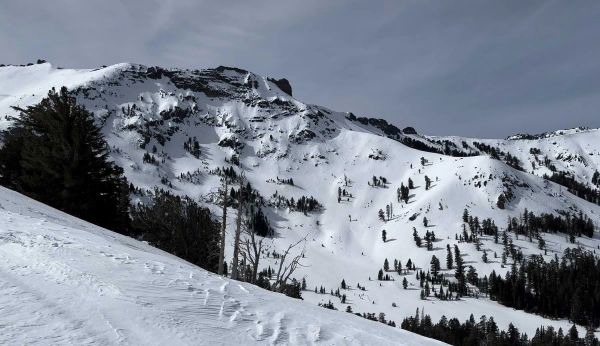
California Ski Resort Opening Dates 2026-27: Mammoth Leads, Tahoe Follows
Mammoth Mountain is first up in California, targeting Friday 13 November after a dusting of September snow. Heavenly and Northstar follow on 20 November, Palisades Tahoe on Wednesday 25 November and Sugar Bowl on 27 November, with Kirkwood on 4 December and June Mountain on 19 December. Plenty of smaller areas have no date yet. A super El Niño favours the Sierra, but a warmer storm track is the catch.
7 Oct 2026
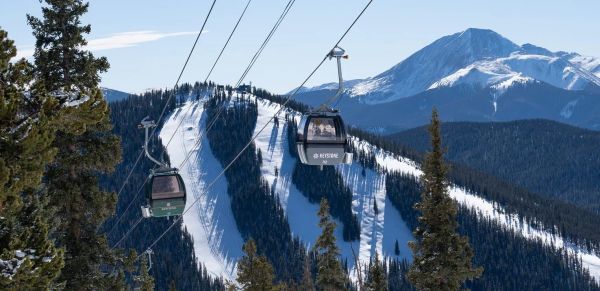
Colorado Ski Resort Opening Dates 2026-27: A-Basin and Keystone Race to Be First
Arapahoe Basin, Keystone and Winter Park are all chasing an October start, though none has a firm date yet. The first dated openers are Breckenridge and Copper on Friday 6 November, then Vail on 13 November, with most of the rest bunched around US Thanksgiving. Hesperus did not open at all last season. A super El Niño offers hope but no guarantee, and forecasters say the southern mountains have the better odds.
5 Oct 2026
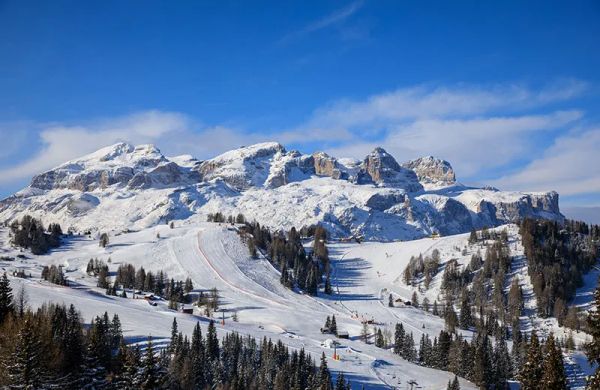
Dolomiti Superski 2026-27: Four New Gondolas, New Reservoirs and an €89 Peak Day Pass
Dolomiti Superski is spending around €100 million across its 12 areas before winter. Kronplatz gets a new 10-passenger gondola with a middle station, 3 Zinnen gets Helmissimo, and Val di Fassa swaps a chairlift for a gondola above Col Valvacin. New water-storage basins and upgraded snowmaking follow, and construction has started on the San Martino to Passo Rolle link. A peak adult day pass is €89.
4 Oct 2026
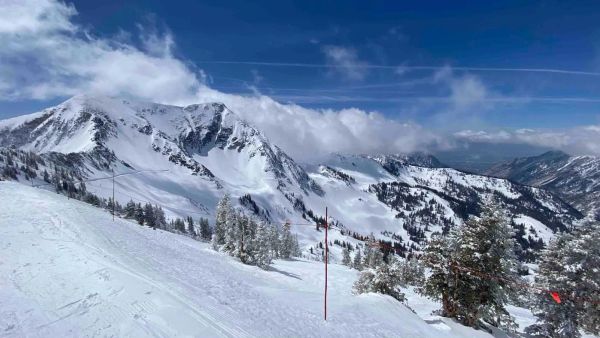
Utah Ski Resort Opening Dates 2026-27: Brian Head First, Eagle Point Out
Brian Head is targeting 6 November, though last year it aimed for 7 November and did not open until the 25th. Park City, Alta and Solitude are pencilled in for 20 November, Snowbird and Snowbasin for 27 November, and Deer Valley for 5 December. Eagle Point will stay closed after the Cottonwood Fire. A super El Niño is forecast, but the big snow is not expected until January.
4 Oct 2026
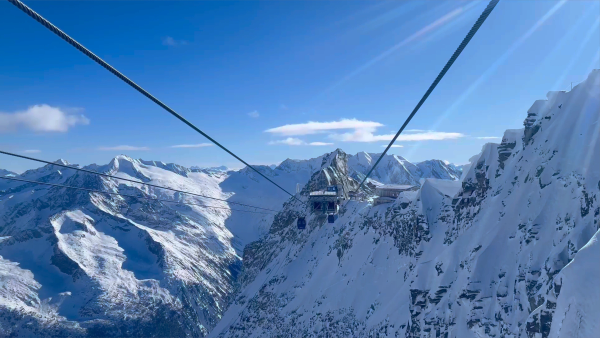
Hintertux Glacier Opens for 2026-27 With 12 Kilometres of Piste
Hintertux became Austria's second glacier to open for 2026-27 on Friday 2 October, after the Pitztal Glacier. Twelve kilometres of piste are running around the Olperer and Gefrorene Wand, served by one gondola and two drag lifts, with the Betterpark also open. Lifts officially run 8:15 am to 4:30 pm, but skiing stops at 2 pm for now.
4 Oct 2026
Vail Resorts Counts the Cost of a Thin Winter as Pass Sales Slide Further
A historically poor western winter cut Vail Resorts' annual net income from $280 million to $147.5 million and skier visits by 13.4 per cent. Now 2026-27 pass units are down 12 per cent as of 18 September, worse than the 10 per cent flagged in spring. Vail blames the weather and thinks some buyers are simply waiting, and it forecasts a rebound if the snow behaves.
3 Oct 2026
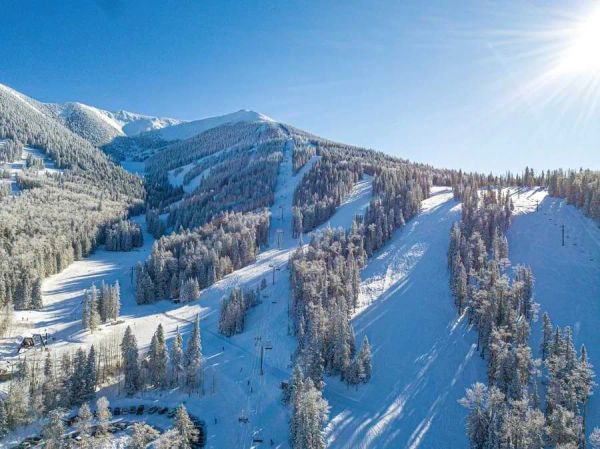
Arizona Snowbowl's $1 Lift Tickets Are Hard to Find, but $9 Days Are Not
Arizona Snowbowl advertised eight $1 lift ticket days this winter. Go looking and only three are showing - 10 March, 1 April and 10 April - so the rest may already have gone. The consolation is a calendar full of $9 days, including all but one day in April. Opening day is 20 November, weather permitting, and opening weekend is $19.
2 Oct 2026
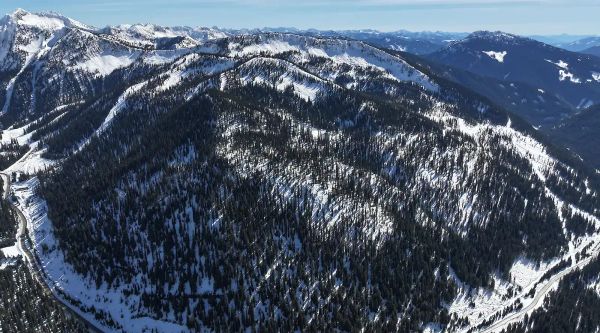
Whitewater Brings Its Short Side Inbounds, With Six New Runs for 2026-27
For years, Whitewater's Short Side was where you ducked a rope and hoped for the best: unmapped, ungroomed and unpatrolled. This winter it's inbounds. Six new runs of glades and fall-line skiing add 190 acres (about 77 hectares), taking the resort past 1,400 acres in total. F2 Logging spent a month in the trees to make it happen, and opening day is pencilled in for 4 December. Bonanza now needs less snow to groom, too.
1 Oct 2026
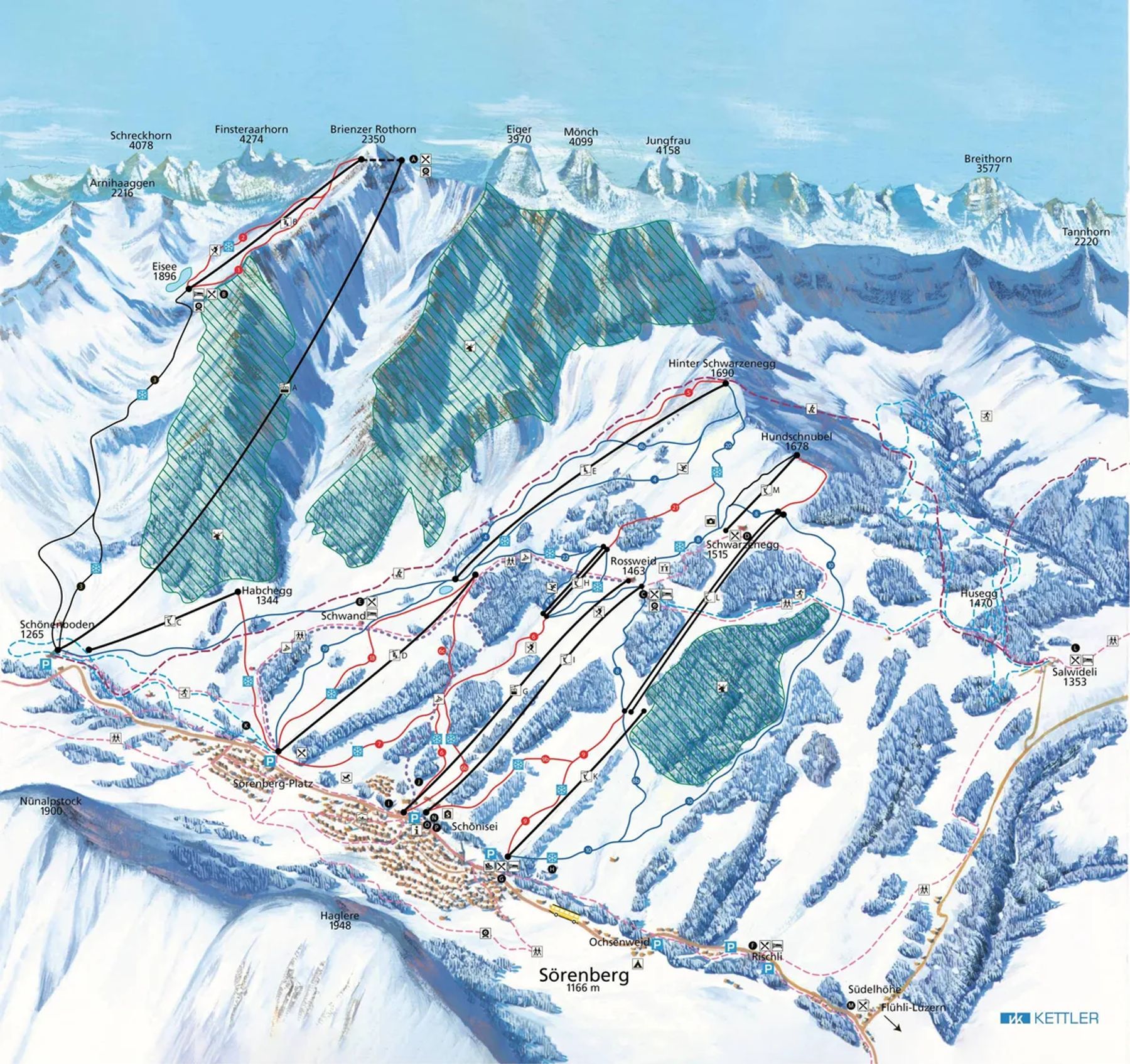
Sörenberg Trail Map
Downloadable Sörenberg trail map
Terrain split
0
runs
Beginner57%
Intermediate24%
Advanced19%
Expert0%
42 km of piste
Resort Stats
Elevation
Base1110m
Summit2298m
Annual snowfall
4m
Season
2026 - 2027
19 Dec 2026 - 28 Mar 2027
Trail coverage
0 runs
42 km
About Sörenberg's trail map
Explore Sörenberg's full trail map with every run across the mountain, colour-coded by difficulty and shown alongside the terrain split. Use it to plan a day that matches your ability, find lift-served pockets of your favourite grade, and see how the resort links together. Download the piste map (PDF) ↗
More Sörenberg intelligence: snow report, lift system, webcams, resort overview.