
Mt Dobson
400 hectares, 14 runs, 430m vertical. Family-owned Mt Dobson delivers sun-soaked intermediate terrain in New Zealand's Mackenzie.
Season 2026
Opens
28 June 2026
Closes
27 Sept 2026
Days open
91
Annual snow
3m
The Overview
Michael Fulton
Melbourne-based skier and snowboarder with 50+ resorts across 5 continents. Specialises in Australian resorts and international resort comparisons.
Mt Dobson operates across 400 hectares of skiable terrain with 14 marked runs spanning a 430-metre vertical drop from 1600 to 2030 metres elevation. The field sits in a 3-kilometre-wide treeless basin at the southern end of the Two Thumb Range in Te Kahui Kaupeka Conservation Park. Annual snowfall averages 2.54 metres, with the base at 1725 metres claiming the title of New Zealand's highest car park. The family-owned commercial operation opened in 1979 following construction of a 15-kilometre access road.
Terrain splits 25 per cent beginner, 50 per cent intermediate, and 25 per cent advanced across the sun-facing basin. The Opuha Saddle Triple Chair accesses wide groomed runs and a natural halfpipe beneath the lift line. The Fairlie Ridge T-Bar climbs to 2015 metres, opening steeper terrain including Te Kahui Steeps and Stackit. Advanced skiers hike to Dobson Peak at 2095 metres for views across Lake Tekapo, Lake Pukaki and Aoraki/Mt Cook.
The relaxed club-field atmosphere draws families and learners to wide, uncrowded slopes. Weekdays see minimal lift queues even during peak season. The Foote Rest Café serves Fairlie Bakehouse pies and barista coffee at the base lodge alongside basic rental and ski school facilities. No on-mountain accommodation exists; visitors stay in Fairlie or Lake Tekapo.
Operating independently without major pass affiliations, Mt Dobson runs promotions including Mates Rates Mondays with two-for-one tickets and half-price Tuesdays for women outside school holidays. Adult day passes cost NZ$118 regular, NZ$140 peak. The 2026 season opens 28 June and closes 27 September. Best suited to intermediates, families, and budget-conscious skiers seeking uncrowded terrain and quintessential Kiwi skiing.
430m
Vertical
14
Runs
988 acres
Skiable
3m
Annual snow
The Terrain
14 runs across 988 acres skiable
Mt Dobson is a family-owned field in the Two Thumb Range above Fairlie, in South Canterbury, covering around 400 hectares. Skiing falls 430 metres from 2,030 to 1,600 metres across 14 runs, and Sanity has an easy-going split of 25% beginner, 50% intermediate and 25% advanced. The terrain is a wide, treeless basin with a sunny aspect, which keeps it open and easy to read. A triple chair, two T-bars, a platter and a free rope tow lift riders. A gravel access road climbs from State Highway 8, so check conditions and carry chains.
The Opuha Saddle chair delivers wide groomed runs and a natural halfpipe, and the Fairlie Ridge T-bar climbs to 2,015 metres for steeper options such as Te Kahui Steeps and Stackit. Skiers prepared to hike can reach Dobson Peak, with views across the Mackenzie Basin and toward Aoraki Mt Cook. A large beginner area keeps families happy and a cafe sits at the base. Mt Dobson suits intermediates, progressing learners and anyone after a wide, uncrowded basin, and its gentle shape makes it a good first experience of a New Zealand commercial field.
Terrain split
14
runs
14 runs across 4 grades
Beginner4 runs · 25%
Intermediate7 runs · 50%
Advanced4 runs · 25%
Expert0 runs · 0%
Time it right
When to visit Mt Dobson
The 2026 season runs from 28 June through 27 September, with opening subject to snow coverage. Typical operations span early July to early October depending on conditions. Historical opening dates vary from late June to early July across recent years. The field opened 6 July 2025 and 5 July 2024, adjusting annually based on pre-season accumulation.
Annual snowfall averages 254 centimetres at the high-altitude base. The second week of August typically delivers peak snowfall with 26 centimetres over 2.5 snowy days. August offers the most reliable coverage with average depths reaching 108 centimetres at summit and 49 centimetres at base. The southwest-facing basin receives regular dumps from southerly fronts whilst sitting high enough to stay cold when lower fields receive rain.
July and August provide optimal powder conditions before spring softening begins in September. The sun-drenched basin suits learners but can produce variable off-piste conditions through sun baking. Mid-August combines deepest snowpack with 16 average sunny days, balancing coverage and weather. Early season typically offers lighter crowds and discounted passes before school holidays.
Weekly promotions include Mates Rates Mondays with two-for-one tickets and Chicks on Tuesdays offering women half-day rates for full-day access, both excluding school holidays. Birthday bonus grants free passes on your birthday. No night skiing operates. The field closes when spring temperatures compromise coverage, usually mid to late September depending on seasonal patterns.
Season 2026
28 June 2026
Opens
27 Sept 2026
Closes
91
Days open
3 m
Annual snow
Getting there
Getting to Mt Dobson, and where to stay
Mt Dobson occupies a southwest-facing basin in the Two Thumb Range at the southern end of Te Kahui Kaupeka Conservation Park in the Mackenzie Basin. The base sits at 1725 metres in South Canterbury on New Zealand's South Island, 29 kilometres west of Fairlie. Dobson Peak rises to 2095 metres immediately north of the ski area within the broader Southern Alps system.
Fairlie township lies 40 minutes east with population 800, offering motels, hotels, and farm stays plus the famous Fairlie Bakehouse. Lake Tekapo village sits 44 kilometres west, providing additional accommodation including hot pools and stargazing at the Aoraki Mackenzie International Dark Sky Reserve. Kimbell and Burkes Pass offer limited lodging closer to the access road. Timaru, 65 kilometres southeast, provides the nearest city services.
State Highway 8 between Christchurch and Queenstown passes the ski field turnoff 11 kilometres west of Fairlie and 18 kilometres east of Lake Tekapo. The 15-kilometre gravel access road climbs from the highway in 40 minutes, maintained to high standard with width for two vehicles to pass. Snow chains required when conditions dictate. Drive time from Fairlie township totals approximately 1 hour including the mountain road.
Christchurch International Airport lies 184 kilometres northeast, requiring 2.5 hours driving via Highway 1 south then Highway 8 west. Queenstown Airport sits 280 kilometres southwest with 3-hour drive time. Timaru Airport offers closest access at 45 minutes, connecting to Wellington. No shuttle services operate; private vehicle or rideshare necessary. Atomic Shuttles runs daily buses from Christchurch and Queenstown to Fairlie and Tekapo.
Where to stay
Search all stays →Hotels and lodges near Mt Dobson, powered by Stay22.
Latest News
From the SnowStash desk
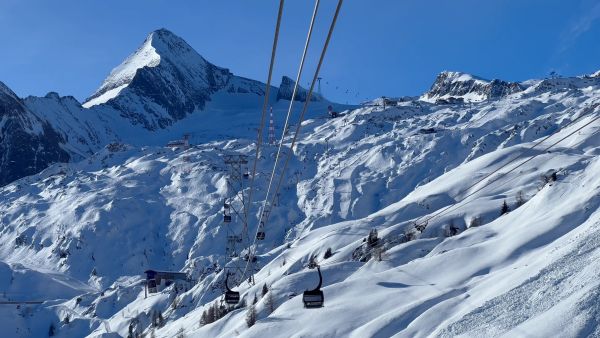
Europe Ski Resorts Open Now: What Is Skiable in Mid-October 2026
Europe’s ski season is open, technically. After a record-warm summer, glaciers in Austria, Switzerland and Italy are running a few pistes apiece, Sölden, Stubai and Kitzsteinhorn started late, Titlis has pushed back to 24 October, and Zermatt reopens a few lifts on 14 October after more than two months shut. Finland’s Levi and Ruka are skiing on stored snow. Here is what is open, and what you actually get at each.
14 Oct 2026
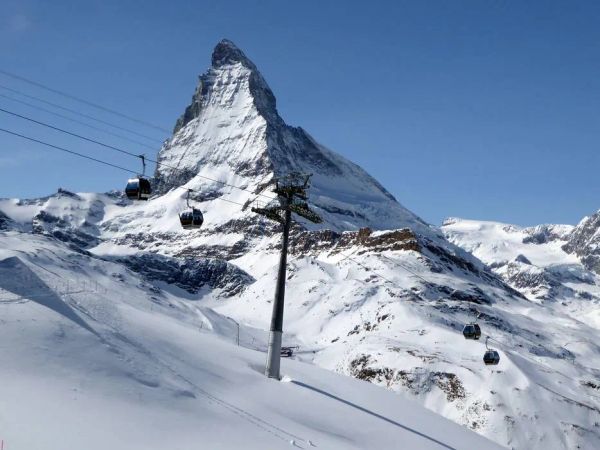
Zermatt Plans World Cup Downhill Return on the Gornergrat for 2028
Zermatt is having another crack at a World Cup downhill, and this time nobody has to cross a border. Around 13 million Swiss francs is going into rebuilding the Gornergrat piste, including a jump fed by a roughly 300-metre in-run across the roof of the Gornergrat Railway gallery, with the Matterhorn lined up behind it for the TV cameras. First men’s race is pencilled in for March 2028, pending FIS homologation.
14 Oct 2026
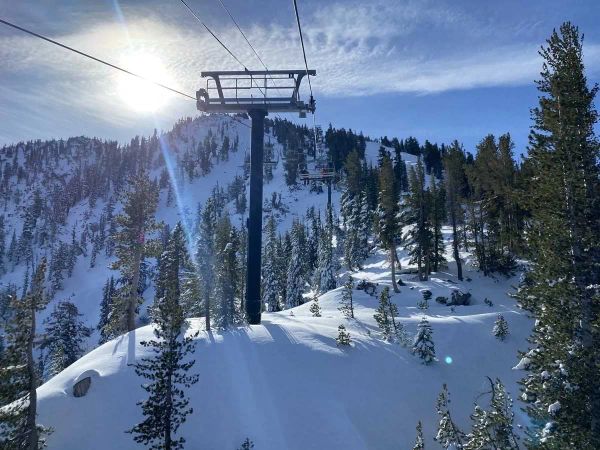
Mt. Rose Begins Snowmaking for the 2026-27 Season at Lake Tahoe
Lake Tahoe’s highest base elevation is paying off early: Mt. Rose has started making snow for 2026-27 after the first flurries and a cold snap. The Nevada resort is backing it with nearly US$2 million in upgrades, including a replacement snowmaking main line, a new PistenBully groomer and restraint bars on every lift. Opening day is yet to be confirmed, though Heavenly and Northstar are already eyeing 20 November.
13 Oct 2026
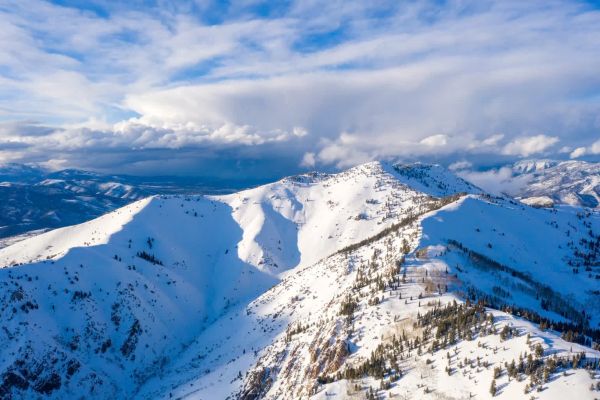
Utah Ski Resorts 2026-27: What’s New at Alta, Deer Valley, Powder Mountain and More
Utah is still building flat out. For 2026-27, Powder Mountain opens a steep new Skytrac chair into more than 1,000 acres of advanced terrain, Deer Valley adds 200 acres on Hail Peak, Sundance gets a new quad and Park City adds a gondola from its new parking structure. Snowmaking is expanding almost everywhere, Eagle Point stays closed after the Cottonwood Fire, and the 2034 Games are setting the pace. Here’s what’s new, resort by resort.
13 Oct 2026
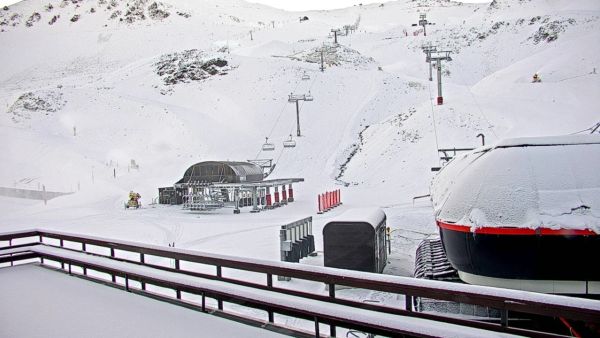
Mt Hutt Invests NZ$12 Million in Base Area, Tripling Its Sun Deck
Mt Hutt is getting busier, and its base lodge is about to catch up. NZ$12 million goes into a heated sun deck roughly three times the current size (430 m² to 1,300 m²), plus a new toilet block, heated steps down to snow level, extra storage and a new food and beverage outlet. Building starts after the 2026 season, with everything due for winter 2027.
11 Oct 2026

Vermont Ski Resort Opening Dates 2026-27: Few Dates Set, Killington Waits on the Cold
Vermont's season is slow to take shape. Stratton is tentatively targeting 18 November and Sugarbush 21 November, while Pico has Friday 11 December on the calendar. Killington never sets a date and opens when the snowmaking allows, and Vail Resorts has yet to name days for Stowe, Okemo and Mount Snow. The forecasts disagree about snow, and the main El Niño worry for the Green Mountains is warmth.
9 Oct 2026
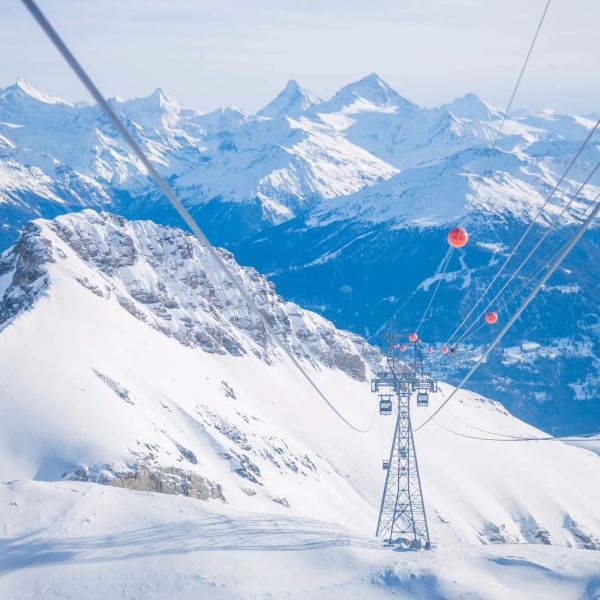
Crans-Montana 2027 World Championships President Resigns Ahead of Fraud Hearing
Less than four months out from the Crans-Montana 2027 World Championships, the man running the organising committee has stepped down. Claude-Alain Schmidhalter resigned as Swiss-Ski vice president and OC president after being indicted over a business dispute unrelated to skiing. He denies the allegations and faces court on October 27. Interim leaders are in place for the February 1-14 event.
9 Oct 2026
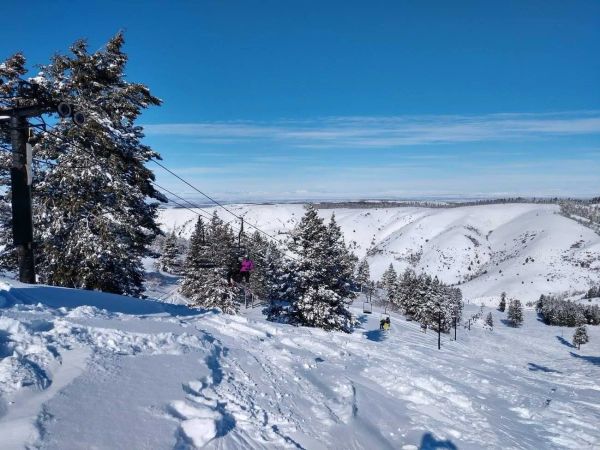
Kelly Canyon, Idaho, Adds Snowmaking, a Bigger Terrain Park and More Parking for 2026-27
Kelly Canyon had a rough 2025-26, and the Idaho resort has spent the summer making sure it doesn’t repeat. Snowmaking now reaches the top of Goldrush, the terrain park is doubling in size with a stereo system, lights and a snack shack, and the car park is getting bigger. Grooming is stepping up too. Target opening is December 4, conditions permitting.
9 Oct 2026
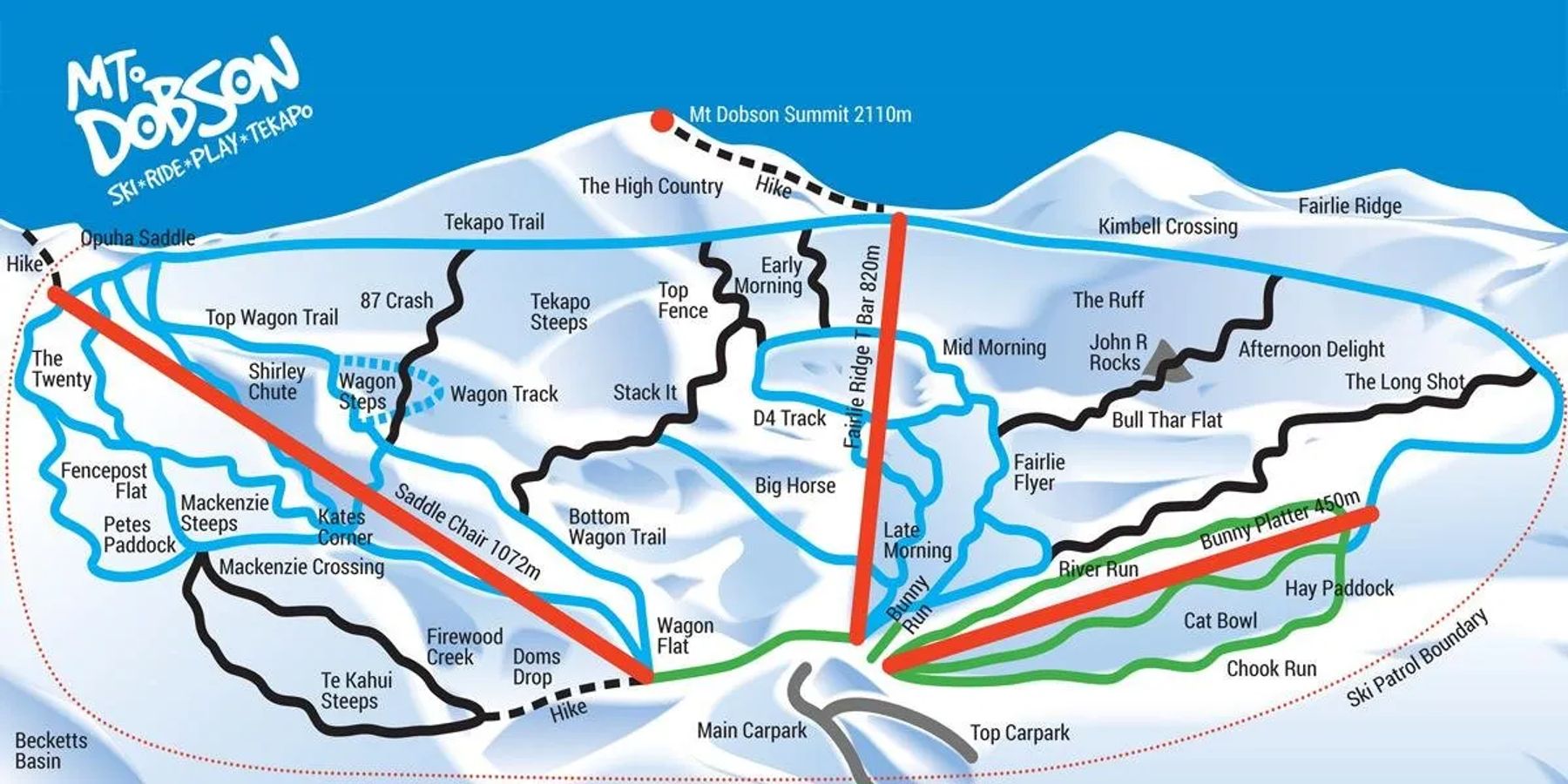
Mt Dobson Trail Map
Downloadable Mt Dobson trail map
Terrain split
14
runs
Beginner25%
Intermediate50%
Advanced25%
Expert0%
988 acres skiable400 hectares
Resort Stats
Elevation
Base1600m
Summit2030m
Annual snowfall
3m
Season
2026
28 June 2026 - 27 Sept 2026
Trail coverage
14 runs
988 acres (400 ha)
About Mt Dobson's trail map
Explore Mt Dobson's full trail map with 14 runs across the mountain, colour-coded by difficulty and shown alongside the terrain split. Use it to plan a day that matches your ability, find lift-served pockets of your favourite grade, and see how the resort links together. Download the piste map (PDF) ↗
More Mt Dobson intelligence: snow report, lift system, webcams, resort overview.