
The Overview
Michael Fulton
Melbourne-based skier and snowboarder with 50+ resorts across 5 continents. Specialises in Australian resorts and international resort comparisons.
Sugarloaf's summit reaches 4,236 feet, the highest peak elevation of any ski resort in New England, dropping 2,819 vertical feet to a base at 1,417 feet across 162 runs spread over 1,240 acres in Carrabassett Valley, Maine. Terrain splits 34 per cent intermediate, 27 per cent advanced, 23 per cent beginner and 16 per cent expert, with average annual snowfall of roughly 200 inches. The resort carries Ikon Pass and Mountain Collective access. Thirteen lifts, including five double chairs and five quad chairs, serve the mountain alongside one triple chair, one surface lift and one t-bar.
Sugarloaf offers the only lift-served above-treeline skiing in the northeastern United States, a distinction tied directly to its status as New England's highest ski summit. This above-treeline terrain, combined with its 162 trails, gives Sugarloaf one of the most extensive and varied terrain networks in the eastern US. Its Ikon Pass and Mountain Collective affiliations have brought it firmly into the destination-resort tier of New England skiing.
Sugarloaf was established in 1950 by the Sugarloaf Mountain Ski Club, with a group known as the Bigelow Boys cutting the resort's first trail, Winter's Way, in 1951. A rope tow followed in 1953, and a gondola opened in 1966 that elevated the mountain's status into a major destination. Snowmaking arrived in 1974, at the time covering more vertical feet than any other ski area in the world.
American Skiing Company sold Sugarloaf to CNL Lifestyle Properties in August 2007, with management passing to Boyne Resorts. Boyne purchased the resort outright from Och-Ziff Capital Management in March 2018, alongside sister resorts Sunday River and Loon, consolidating full ownership to fund further on-mountain projects. Adult daily tickets run from 79 to 149 US dollars, with multi-day packages from 158 dollars.
2,818ft
Vertical
162
Runs
1,240 acres
Skiable
17ft
Annual snow
Ikon / Mountain Collective
Pass
The Terrain
162 runs across 1,240 acres skiable
Sugarloaf is the largest ski area in Maine and a New England giant, with 1,240 acres (502 hectares), 162 runs and a vertical of 2,820 ft (859 m). The summit reaches 4,240 ft (1,291 m) above a base at 1,420 ft (432 m) in Carrabassett Valley. The split is 23% beginner, 34% intermediate, 27% advanced and 16% expert, so every level has real choice. Snowfall averages around 200 inches a year. Most of the skiing is spread over one big mountain, with long runs that make full days feel properly earned.
Narrow Gauge is the classic, the only trail in the east approved for top-level ski races in all four disciplines. Tote Road is a 3.5 mile cruiser from summit to base, Timberline is an easier line down, and Snowfields is the serious step up. The old T-bars opened the Whiffletree and King Pine Bowl area, where Whiffletree is a wide, fall-line trail. White Nitro offers wide views of the Bigelow range. Sugarloaf suits strong intermediates through to experts, with enough variety to keep a week interesting.
Terrain split
162
runs
162 runs across 4 grades
Beginner37 runs · 23%
Intermediate55 runs · 34%
Advanced44 runs · 27%
Expert26 runs · 16%
Time it right
When to visit Sugarloaf
The 2025-26 season at Sugarloaf ran from 24 November 2025 to 26 April 2026, one of the longest seasons in New England at roughly twenty-two weeks. Average annual snowfall of around 200 inches, combined with substantial snowmaking infrastructure dating to 1974, supports this extended operating window. Season dates can shift depending on early and late-season weather.
Midwinter, from December through February, typically offers the most reliable natural conditions across Sugarloaf's full terrain network, including its above-treeline zones near the summit. As an Ikon Pass and Mountain Collective destination, the resort draws visitors from across the Northeast and beyond, with holiday periods bringing the heaviest crowds. Weekday visits generally remain calmer across the resort's extensive 162-trail network.
Sugarloaf's above-treeline skiing, unique in the Northeast, is a particular draw during clear midwinter conditions when exposed summit terrain offers open-mountain views uncommon in the region. The resort's Boyne Resorts ownership since 2018, alongside sister resorts Sunday River and Loon, has supported continued investment in seasonal programming and infrastructure. School holiday periods bring significant family visitation.
Specific event programming beyond standard lift operations is not confirmed in available resort information. The resort's late closing date into late April, among the longest in the region, reflects both its elevation and its substantial snowmaking capacity. Sugarloaf's combination of New England's highest summit, above-treeline terrain and extensive trail network continues to define its identity as one of the region's premier destination resorts.
Season 2026 - 2027
21 Nov 2026
Opens
25 Apr 2027
Closes
155
Days open
17 ft
Annual snow
Getting there
Getting to Sugarloaf, and where to stay
Sugarloaf sits in Carrabassett Valley in western Maine, with a base elevation of 1,417 feet and a summit at 4,236 feet, the highest in New England, across a 2,819-foot vertical drop over 1,240 acres. This remote inland setting places the resort well north of Maine's coastal population centres, within a genuine mountain-town environment built around the ski area.
Carrabassett Valley itself has developed largely around the resort, offering lodging, dining and services within a short distance of the lifts. The nearby town of Kingfield provides additional options, while Portland, several hours south, remains the nearest major population centre. The valley's remoteness contributes to Sugarloaf's above-treeline terrain feeling genuinely wild relative to more developed New England resorts.
Maine State Route 27 provides the main route into Carrabassett Valley from the south, connecting to the broader interstate network further toward Portland. Winter driving conditions on this rural Maine route can include snow and ice, and the distance from major cities means visitors should plan for a longer drive than at more accessible New England resorts. There is no direct public transport service to the mountain.
Portland International Jetport is the nearest airport with substantial commercial service, a drive of several hours from Carrabassett Valley. This distance is significant relative to many Northeast ski destinations, reinforcing Sugarloaf's identity as a genuine backcountry-adjacent mountain resort rather than an easy day-trip destination from a major airport.
Where to stay
Search all stays →Hotels and lodges near Sugarloaf, powered by Stay22.
Latest News
From the SnowStash desk

Kelly Canyon, Idaho, Adds Snowmaking, a Bigger Terrain Park and More Parking for 2026-27
Kelly Canyon had a rough 2025-26, and the Idaho resort has spent the summer making sure it doesn’t repeat. Snowmaking now reaches the top of Goldrush, the terrain park is doubling in size with a stereo system, lights and a snack shack, and the car park is getting bigger. Grooming is stepping up too. Target opening is December 4, conditions permitting.
9 Oct 2026
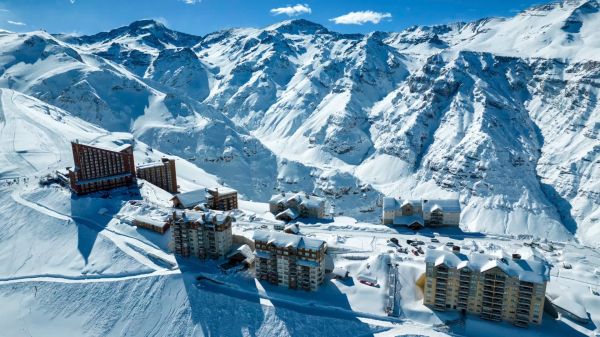
Valle Nevado Extends Season to November 8 After 108 cm in 48 Hours
Winter was meant to be winding down in Chile. Then Valle Nevado took 108 cm in 48 hours in early October, and the resort has pushed its closing date out to November 8 - its latest in 38 years of operation. That makes 143 days of skiing since opening day on June 19, with 690 cm banked for the season. Only part of the mountain is running while the storm settles, so check the mountain report before you plan a trip.
9 Oct 2026
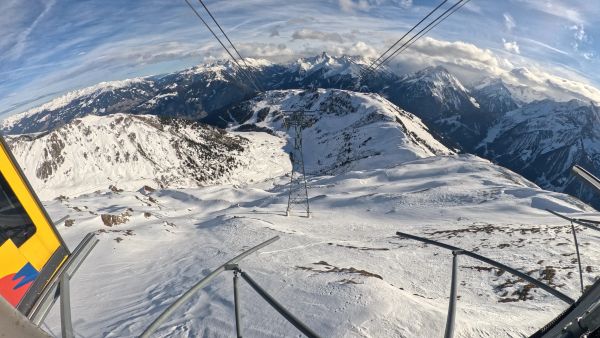
Alps Snow Forecast: Cold Front Brings Thursday Snow to the High Alps
The Alps look a lot more like winter today, for a day or so. A cold front is moving west to east, dropping up to 35 cm on high glaciers and peaks, with snow levels falling to around 1,500-1,800 m at times. Don’t plan a trip around it: mid-elevation snow will be thin and wet, every area is closed bar a limited Sölden glacier opening tomorrow, and warmer weather returns by Monday.
8 Oct 2026
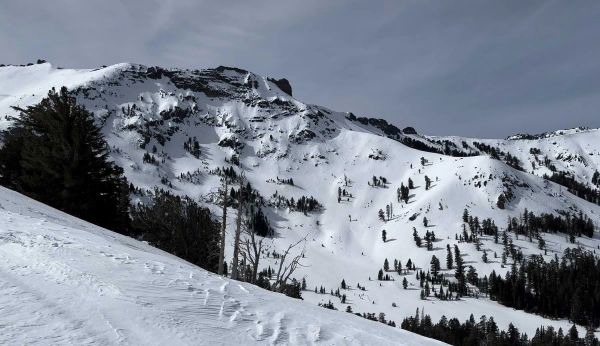
California Ski Resort Opening Dates 2026-27: Mammoth Leads, Tahoe Follows
Mammoth Mountain is first up in California, targeting Friday 13 November after a dusting of September snow. Heavenly and Northstar follow on 20 November, Palisades Tahoe on Wednesday 25 November and Sugar Bowl on 27 November, with Kirkwood on 4 December and June Mountain on 19 December. Plenty of smaller areas have no date yet. A super El Niño favours the Sierra, but a warmer storm track is the catch.
7 Oct 2026
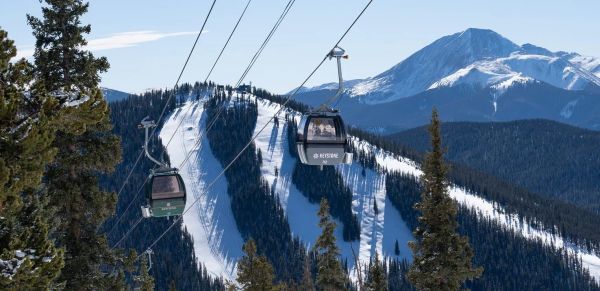
Colorado Ski Resort Opening Dates 2026-27: A-Basin and Keystone Race to Be First
Arapahoe Basin, Keystone and Winter Park are all chasing an October start, though none has a firm date yet. The first dated openers are Breckenridge and Copper on Friday 6 November, then Vail on 13 November, with most of the rest bunched around US Thanksgiving. Hesperus did not open at all last season. A super El Niño offers hope but no guarantee, and forecasters say the southern mountains have the better odds.
5 Oct 2026
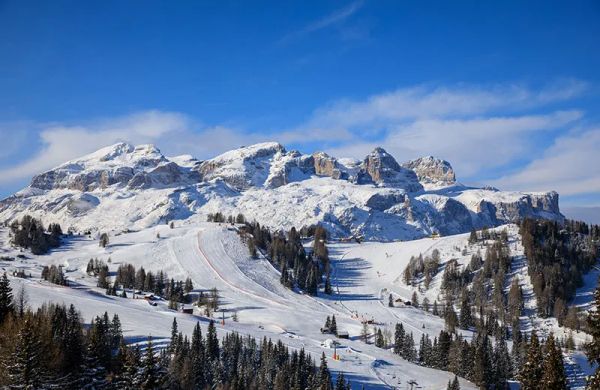
Dolomiti Superski 2026-27: Four New Gondolas, New Reservoirs and an €89 Peak Day Pass
Dolomiti Superski is spending around €100 million across its 12 areas before winter. Kronplatz gets a new 10-passenger gondola with a middle station, 3 Zinnen gets Helmissimo, and Val di Fassa swaps a chairlift for a gondola above Col Valvacin. New water-storage basins and upgraded snowmaking follow, and construction has started on the San Martino to Passo Rolle link. A peak adult day pass is €89.
4 Oct 2026
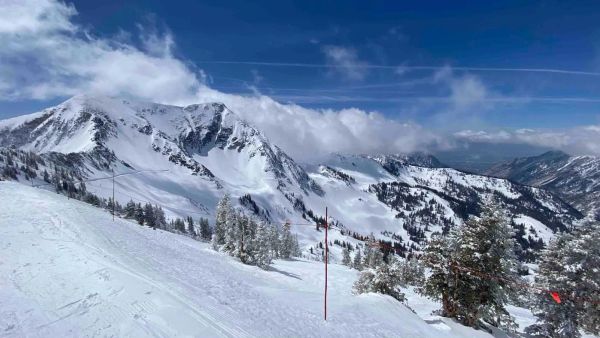
Utah Ski Resort Opening Dates 2026-27: Brian Head First, Eagle Point Out
Brian Head is targeting 6 November, though last year it aimed for 7 November and did not open until the 25th. Park City, Alta and Solitude are pencilled in for 20 November, Snowbird and Snowbasin for 27 November, and Deer Valley for 5 December. Eagle Point will stay closed after the Cottonwood Fire. A super El Niño is forecast, but the big snow is not expected until January.
4 Oct 2026
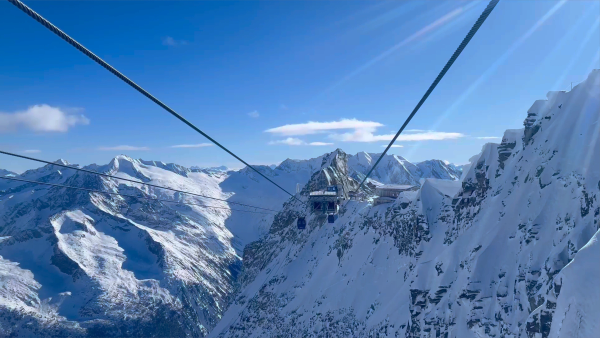
Hintertux Glacier Opens for 2026-27 With 12 Kilometres of Piste
Hintertux became Austria's second glacier to open for 2026-27 on Friday 2 October, after the Pitztal Glacier. Twelve kilometres of piste are running around the Olperer and Gefrorene Wand, served by one gondola and two drag lifts, with the Betterpark also open. Lifts officially run 8:15 am to 4:30 pm, but skiing stops at 2 pm for now.
4 Oct 2026