TL;DR
Europe’s ski season is open, technically. After a record-warm summer, glaciers in Austria, Switzerland and Italy are running a few pistes apiece, Sölden, Stubai and Kitzsteinhorn started late, Titlis has pushed back to 24 October, and Zermatt reopens a few lifts on 14 October after more than two months shut. Finland’s Levi and Ruka are skiing on stored snow. Here is what is open, and what you actually get at each.
Europe’s ski season is officially under way, with the emphasis on officially.
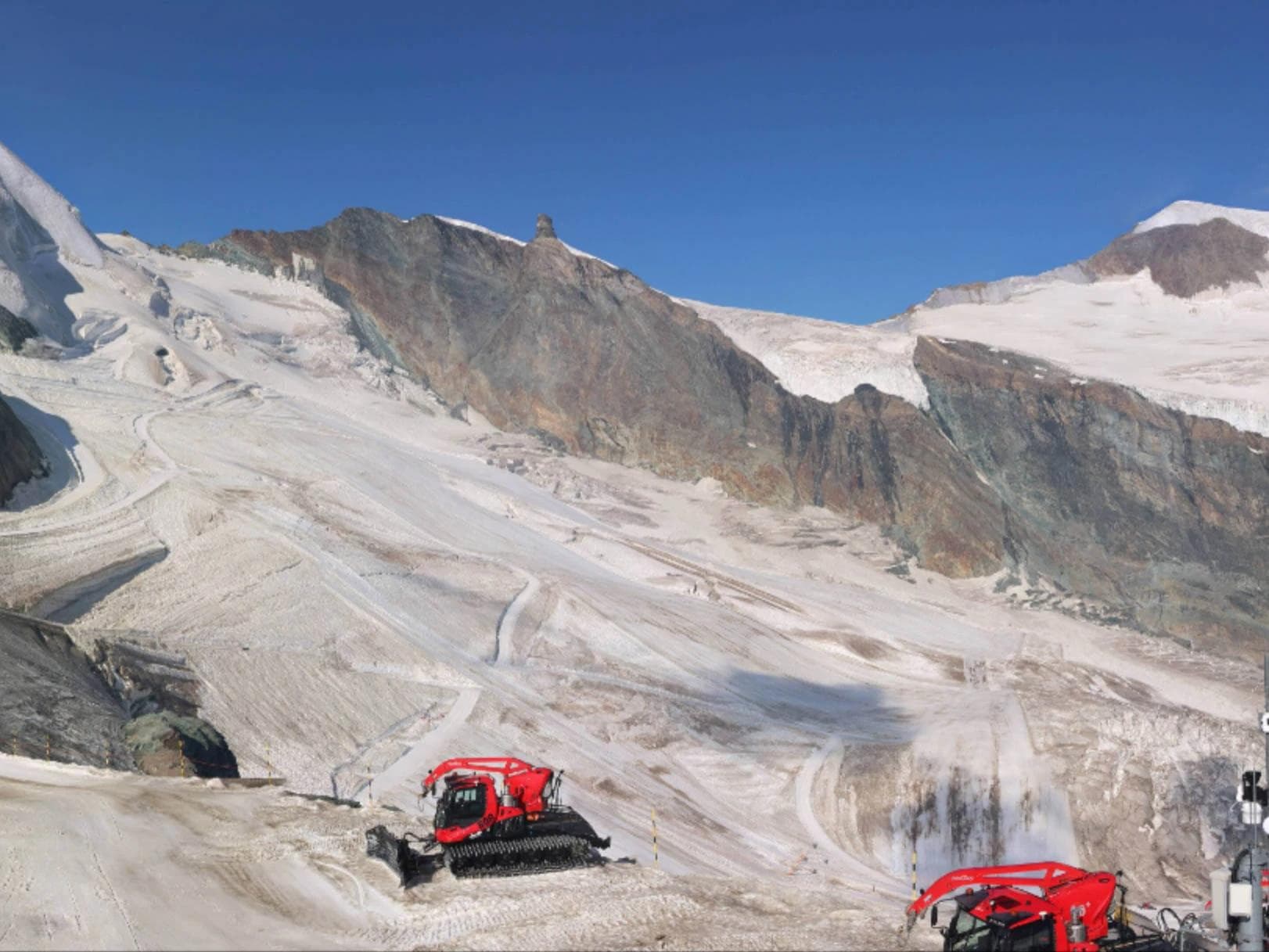
A record-warm summer in the Alps left glaciers with little snow cover, and the freezing level sat stubbornly above 3,000 metres for weeks. Lift-served skiing disappeared from the Alps in mid-August for the first time in living memory. A handful of areas are back now, but openings have slipped and the terrain on offer is a fraction of what skiers would normally find in the second week of October. On 8 October, Snow-Forecast counted about 30 km of open runs across the five Alpine glaciers then operating, up from roughly 6 km a week earlier. Three more Austrian glaciers have started since.
Austria
Pitztal Glacier was the first Austrian glacier to start, opening on 26 September with around 6 km of runs. Hintertux Glacier reopened on 2 October after a nine-week closure, with about 15 km ready on day one. The area was once marketed as a 365-day operation and now shuts for several weeks each year.
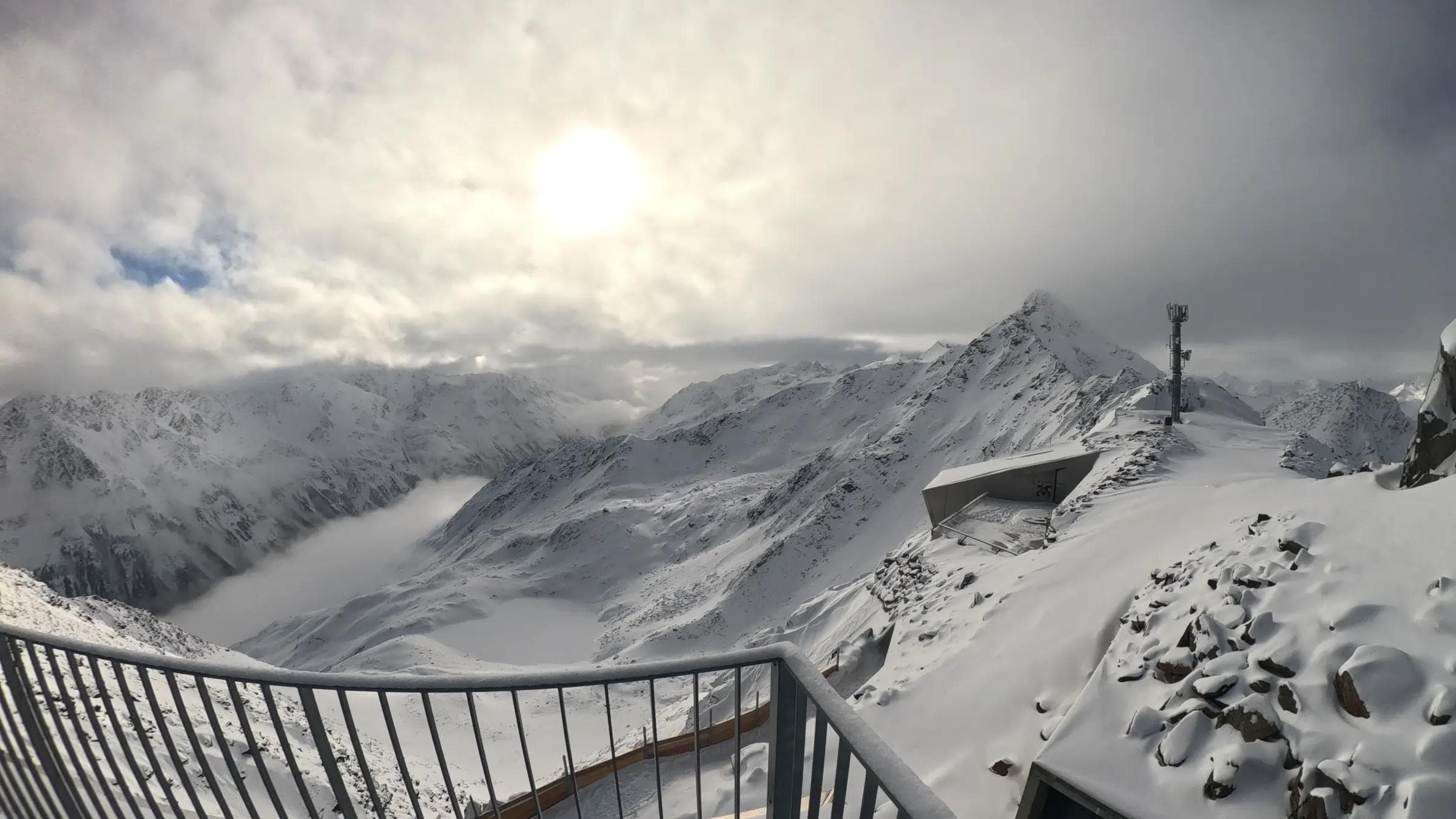
Sölden opened on Friday 9 October, a week later than planned, with a single piste. The Schwarze Schneid I and II lifts and the Karleskogl drag lift are running, serving piste 32 at 6.3 km. The Rettenbach restaurant is open for lunch, and the glacier road runs from 7.30 am to 4.30 pm. The FIS World Cup opening giant slaloms follow on 24 and 25 October, ladies first.