News category
Latest in Queenstown

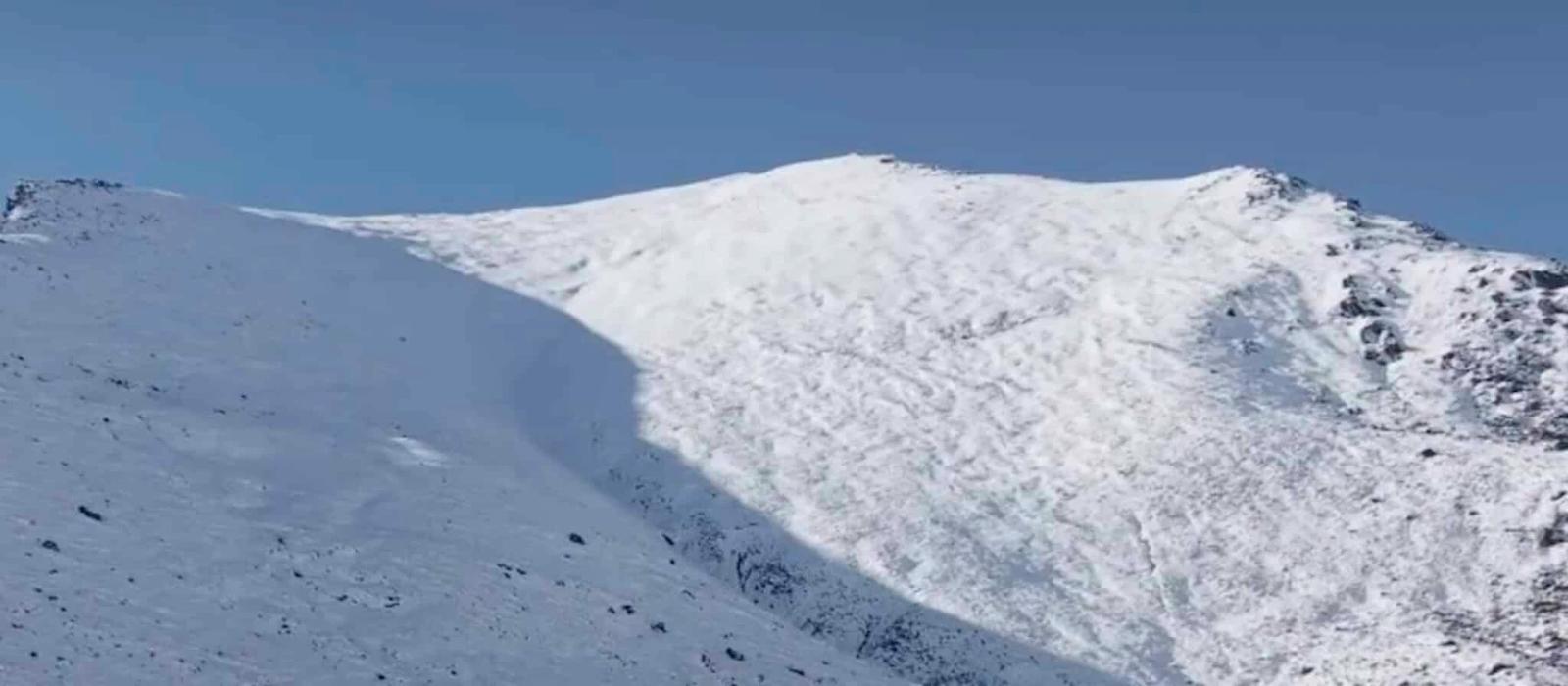
The Remarkables Adds Scarpa Bowl to Its Inbounds Terrain
The Remarkables is adding new inbounds terrain for winter, bringing the Scarpa Bowl - known locally as the Toilet Bowl - into its lift-accessed network after years as backcountry-only ground. The roughly 500 metre run is reached by bootpacking from the top of the Sugar Bowl chairlift, with a shuttle picking skiers up from the road at the bottom. It's a smaller, faster addition than the resort's planned Doolans expansion, though the new terrain hasn't opened yet due to a lack of snow this season.
Michael Fulton

Freeride World Tour Qualifier Heads Back to The Remarkables in August
The North Face Frontier, a Freeride World Tour Qualifier event, is returning to The Remarkables in Queenstown from 28 August to 3 September. The event pairs a two-star qualifier at Shadow Basin for newcomers with a four-star event on the Alta Chutes, one step below the professional level. Now in its 21st year, the competition has produced past FWT champions including New Zealanders Jess Hotter and Ben Richards, and comes as freeriding heads toward its Olympic debut at the 2030 Alps Games.
Michael Fulton

Cardrona and Treble Cone Launch App with New Zealand's First Phone-Based Ski Pass
Cardrona Alpine Resort and Treble Cone have launched a new app that includes New Zealand's first phone-based lift pass - no RFID card required. Skiers can now walk from the car park to the lift gates with just their phone. The Mountains App also brings live snow reports, trail maps, webcams, run tracking, and seasonal leaderboard challenges.
Michael Fulton

The Remarkables Could Become New Zealand's Largest Ski Area With NZD 150 Million Doolans Basin Expansion
NZSki has formally applied to expand The Remarkables into the Doolans Basin - a NZD 150 million-plus (USD 88.5 million) proposal that would grow the resort from 449 to 711 hectares and make it the largest single ski area in New Zealand. A 2.7km gondola, doubled visitor capacity, and four summers of construction. Here's what's on the table.
Michael Fulton

Coronet Peak Opens for the 2026 Season on 29 May, Leading New Zealand's Winter Kickoff
Coronet Peak has opened for the 2026 ski season on 29 May, making it the first major ski resort to come online in the Southern Hemisphere this year. The early start is powered by the resort's Snow Factory snowmaking system, with limited terrain and beginner-focused operations running through to 12 June before full mountain hours begin.
Michael Fulton

Whoosh Unveils Queenstown Transportation Network Proposal
Whoosh, a New Zealand-based company, has presented plans for an innovative transportation system in Queenstown, featuring self-driving cabins on an elevated cable network.
Michael Fulton

Cardrona's Soho Basin Opening Delayed Due to Weather
Cardrona Alpine Resort postpones the opening of its new Soho Basin expansion due to unseasonable weather. The 150-hectare addition promises new terrain for intermediate and advanced skiers.
Michael Fulton

New Zealand Ski Resorts Expect Up to 15 Inches of Snow
South Island ski areas are set for a significant snowfall, with up to 15 inches expected in some regions. The weather system will bring varying amounts of snow across different resorts, impacting skiing conditions throughout New Zealand.
Michael Fulton

Top 10 Ski Resorts in New Zealand for 2025 Season
Discover New Zealand's best ski resorts for the upcoming 2025 season. From family-friendly slopes to challenging terrain for experts, find the perfect destination for your next ski holiday.
Michael Fulton

New Zealand Ski Resorts Welcome Early Snow in Autumn
Several New Zealand ski resorts have received their first snowfall of the season in mid-autumn, signalling the approaching winter and building anticipation for the upcoming ski season.
Michael Fulton

Cardrona Expands with New 6-Seater Chairlift and T-Bar
Cardrona Alpine Resort is set to enhance its offerings with a new 6-seater detachable chairlift in Soho Basin and a T-bar for the terrain park, both scheduled to open for the 2025 winter season.
Michael Fulton

Cardrona Alpine Resort Partners with Chinese Ski Region to Boost Global Snow Sports
New Zealand's largest ski resort, Cardrona Alpine Resort, has signed a collaboration agreement with China's Chongli District Ice and Snow Association, aiming to enhance ski tourism and winter sports participation worldwide.
Michael Fulton

New Zealand's Superpass: Access 10 Ski Resorts on One Ticket
NZ Ski introduces Superpass, offering skiers and riders access to 10 mountains across New Zealand. This flexible pass allows for customised ski trips and includes perks at 60 off-slope venues.
Michael Fulton
Latest News
More from the SnowStash desk
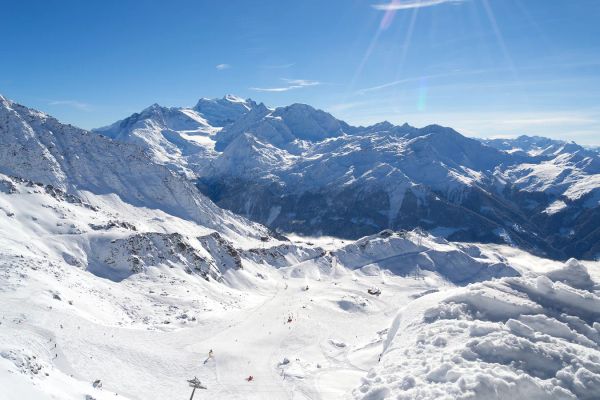
Alps Snow Forecast: Up to 64 cm Headed for the High Glaciers as the Snow Line Drops
The Alps are about to swap mild, sunny October weather for something far more wintry. A cold front arrives Tuesday, and SnowStash forecasts have Monterosa Ski out in front with 64 cm over 14 days, ahead of Blatten Belalp (55 cm) and Verbier (43 cm). The snow line should fall below 2000 metres by Wednesday night, and glaciers across Switzerland, Italy and Austria are in line for the best of it. The wind will have a say too.
20 Oct 2026
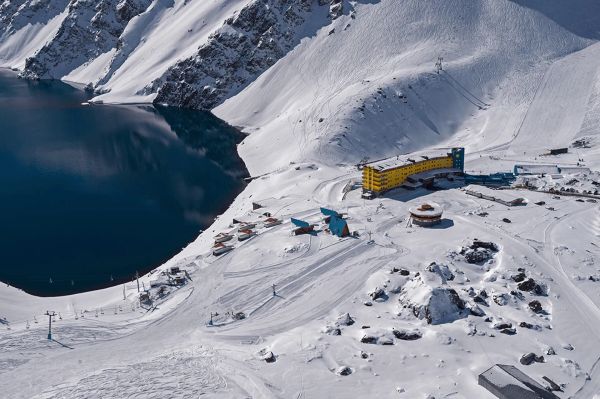
Four Dead After Avalanche Near Ski Portillo in Chile
A large avalanche struck near Laguna del Inca adjacent to Ski Portillo on Saturday afternoon, killing four people and injuring four others. The group were day visitors mountaineering in the backcountry after reportedly being warned about elevated avalanche risk by resort staff.
18 Oct 2026

Europe Ski Resorts Open Now: What Is Skiable in Mid-October 2026
Europe’s ski season is open, technically. After a record-warm summer, glaciers in Austria, Switzerland and Italy are running a few pistes apiece, Sölden, Stubai and Kitzsteinhorn started late, Titlis has pushed back to 24 October, and Zermatt reopens a few lifts on 14 October after more than two months shut. Finland’s Levi and Ruka are skiing on stored snow. Here is what is open, and what you actually get at each.
14 Oct 2026

Zermatt Plans World Cup Downhill Return on the Gornergrat for 2028
Zermatt is having another crack at a World Cup downhill, and this time nobody has to cross a border. Around 13 million Swiss francs is going into rebuilding the Gornergrat piste, including a jump fed by a roughly 300-metre in-run across the roof of the Gornergrat Railway gallery, with the Matterhorn lined up behind it for the TV cameras. First men’s race is pencilled in for March 2028, pending FIS homologation.
14 Oct 2026

Mt. Rose Begins Snowmaking for the 2026-27 Season at Lake Tahoe
Lake Tahoe’s highest base elevation is paying off early: Mt. Rose has started making snow for 2026-27 after the first flurries and a cold snap. The Nevada resort is backing it with nearly US$2 million in upgrades, including a replacement snowmaking main line, a new PistenBully groomer and restraint bars on every lift. Opening day is yet to be confirmed, though Heavenly and Northstar are already eyeing 20 November.
13 Oct 2026

Utah Ski Resorts 2026-27: What’s New at Alta, Deer Valley, Powder Mountain and More
Utah is still building flat out. For 2026-27, Powder Mountain opens a steep new Skytrac chair into more than 1,000 acres of advanced terrain, Deer Valley adds 200 acres on Hail Peak, Sundance gets a new quad and Park City adds a gondola from its new parking structure. Snowmaking is expanding almost everywhere, Eagle Point stays closed after the Cottonwood Fire, and the 2034 Games are setting the pace. Here’s what’s new, resort by resort.
13 Oct 2026

Mt Hutt Invests NZ$12 Million in Base Area, Tripling Its Sun Deck
Mt Hutt is getting busier, and its base lodge is about to catch up. NZ$12 million goes into a heated sun deck roughly three times the current size (430 m² to 1,300 m²), plus a new toilet block, heated steps down to snow level, extra storage and a new food and beverage outlet. Building starts after the 2026 season, with everything due for winter 2027.
11 Oct 2026

Vermont Ski Resort Opening Dates 2026-27: Few Dates Set, Killington Waits on the Cold
Vermont's season is slow to take shape. Stratton is tentatively targeting 18 November and Sugarbush 21 November, while Pico has Friday 11 December on the calendar. Killington never sets a date and opens when the snowmaking allows, and Vail Resorts has yet to name days for Stowe, Okemo and Mount Snow. The forecasts disagree about snow, and the main El Niño worry for the Green Mountains is warmth.
9 Oct 2026